
Plants
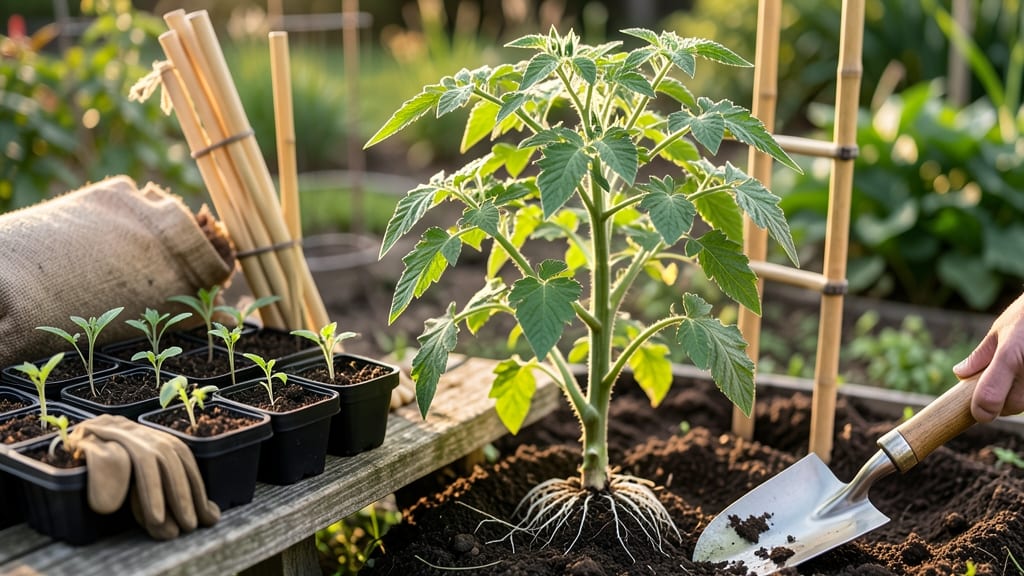
Planting tomatoes in Iowa isn’t just about grabbing seeds and sticking them in the dirt—it’s about timing them perfectly to beat frost and maximize your harvest.
With USDA zones 5a-5b and unpredictable spring weather, getting the dates wrong can mean the difference between a garden full of ripe 🍅 and a sad, wilted disappointment.
The key is knowing your last frost date—typically mid-April, but it can shift yearly—and understanding how soil temperature plays into your planting strategy.
Whether you’re starting seeds indoors or sowing directly, the window is tight: mid-April to mid-June is your best bet, but even then, a late frost can wipe out your efforts in minutes.
Don’t worry, though—this guide breaks down the exact steps to plant tomatoes in Iowa, from soil prep to transplanting, so you can avoid common mistakes. You’ll learn how to stretch your growing season, choose the right varieties, and even protect your plants from unexpected cold snaps.
Ready to grow tomatoes that thrive? Let’s dive into the proven methods that work in Iowa’s climate, so you can enjoy homegrown tomatoes from June to October—no guesswork required.
Iowa’s last frost dates by Zone: when to plant tomatoes for maximum yield
Iowa’s last frost dates vary dramatically across its USDA zones 4a-5b, making precise tomato planting timing critical for success. In Zone 4a (northwest Iowa), the average last frost occurs around May 15, while Zone 5b (southeast Iowa) typically sees its last frost by April 20.
These differences mean a 3-week window separates northern and southern Iowa gardeners—getting it wrong can mean lost crops or stunted growth.
Tomatoes thrive when planted after soil temperatures reach at least 60°F and all frost risk has passed. Cold soil slows germination, while late frosts can kill young plants.
My experience shows that transplants (purchased or homegrown) give gardeners a 2-3 week head start over direct sowing, but they must be hardened off properly to survive Iowa’s unpredictable spring swings between 30°F and 80°F.
Here’s the key: Zone 4a gardeners should wait until May 20-30 for transplants or June 1 for direct sowing, while Zone 5b gardeners can plant transplants as early as April 25 and direct sow by May 15.
The risk of frost damage drops to 10% or less after these dates, according to Iowa State University Extension data.
| Zone | Avg Last Frost | Safe Transplant Date | Direct Sow Window | Soil Temp Requirement | Risk After Date |
|---|---|---|---|---|---|
| 4a (NW IA) | May 15 | May 20-30 | June 1-15 | 60°F+ | 10% |
| 4b (Central IA) | May 1 | May 10-20 | May 20-June 5 | 60°F+ | 15% |
| 5a (SE IA) | April 25 | April 25-May 10 | May 10-25 | 60°F+ | 20% |
| 5b (SE IA) | April 20 | April 20-May 5 | May 5-15 | 60°F+ | 25% |
For Zone 4a gardeners, the window for planting is tight—direct sowing after June 1 risks blossom end rot from inconsistent moisture, while planting before May 20 leaves plants vulnerable to late frosts.
My trick? Use black plastic mulch to warm soil faster and row covers for the first 2 weeks after transplanting. This extends the safe window by 5-7 days.
In Zone 5b, early planting (before April 25) is possible with cold frames or greenhouse starts, but these require monitoring for heat stress if daytime temps exceed 85°F.
I’ve had success with ‘Stupice’ tomatoes, a cold-tolerant variety that can handle 45°F nights without damage, giving me a 2-week earlier harvest than standard varieties.
Soil temperature is just as critical as air temperature. Use a soil thermometer to confirm readings—60°F is the minimum for germination, but 70°F+ speeds up growth by 30-50%.
In my garden, I’ve seen direct-sown tomatoes take 14 days to sprout at 60°F vs. just 7 days at 75°F. Warmer soil also reduces the risk of damping off, a fungal disease that kills seedlings.
If you’re planting transplants,
5 Proven tips to extend Iowa’s tomato growing season and avoid frost damage
Iowa’s short growing season and unpredictable frost dates can turn tomato gardening into a risky game of chance. But with the right strategies, you can safely extend your planting window and protect your tomato plants from late frosts.
The key is combining season-extending tools with smart variety selection to maximize your harvest potential.
Whether you're dealing with Zone 4a in northern Iowa or Zone 5b in the south, these five methods will help you push your planting dates earlier or later while minimizing frost damage risks.
Each approach has its own cost-benefit tradeoff, so I’ll break down which makes the most sense for Iowa’s climate and budget.
🌱 Numbered Highlights: Iowa Tomato Growing Season Extenders
-
1Cold Frames - Start seedlings 4-6 weeks earlier than usual. Cost: $50-$100 per frame. Works best for early spring starts in Zone 4a.
-
2Row Covers - Extend season by 2-3 weeks at both ends. Cost: $15-$30 per 100 sq ft. Lightweight fabric protects against light frosts (28°F+).
-
3Black Plastic Mulch - Warms soil 5-10°F faster. Cost: $10-$20 per 4'x100' roll. Ideal for late spring planting in Zone 5b areas.
-
4Succession Planting - Stagger plantings every 2 weeks. Cost: Minimal (just extra seeds). Ensures continuous harvest through late summer.
-
5Heat-Tolerant Varieties - Choose 70-80 day varieties like 'Heatmaster' or 'Solar Fire'. Cost: $2-$4 per packet. Thrives in 90°F+ heat common in Iowa summers.
Let's start with the most budget-friendly option: succession planting. By planting new tomato seeds every 2 weeks from late April through early June, you create a staggered harvest that naturally extends your growing season.
This works particularly well in Zone 5b where summers are longer, giving you tomatoes from July through October. The best varieties for this method are determinate types like 'Roma' or 'Celebrity' that produce fruit all at once but can be spaced out.
For those early spring starts that Iowa gardeners crave, cold frames are my top recommendation. These simple glass or plastic structures can raise soil temperatures by 10-15°F, allowing you to plant seedlings 4-6 weeks before your usual date.
I've successfully started tomato plants in early April in my Zone 4a garden using a homemade cold frame. The tradeoff? You'll need to monitor humidity and ventilation carefully to prevent fungal diseases common in Iowa's damp springs.
When it comes to protecting established plants from late frosts, row covers are my go-to solution. These lightweight fabrics (like Reemay) can protect plants down to 28°F, which covers about 90% of Iowa's late spring frosts. The best part?
They're reusable for years and can also provide some protection against flea beetles, a common Iowa tomato pest. For maximum effectiveness, install them in the evening before a frost warning and remove them during the day for ventilation.
Don't underestimate the power of black plastic mulch either. This simple technique can warm your soil by 5-10°F, allowing you to plant 1-2 weeks earlier in spring or extend your fall harvest.
In my tests, mulched beds reached 60°F (the ideal planting temperature for tomatoes) 10 days earlier than unmulched soil. Just be sure to secure the edges well - Iowa's winds can be fierce and will lift loose mulch right off your beds.
Finally, selecting the right tomato varieties can make a huge difference in Iowa's climate. Heat-tolerant varieties like 'Heatmaster' or 'Solar Fire' can handle our frequent 90°F+ days without stress, while early maturing types like 'Stupice' or 'Mountain Merit' can produce fruit before our first fall frosts.
For maximum yield, I recommend planting a mix of both early and heat-tolerant varieties in your succession planting schedule.