
Planting
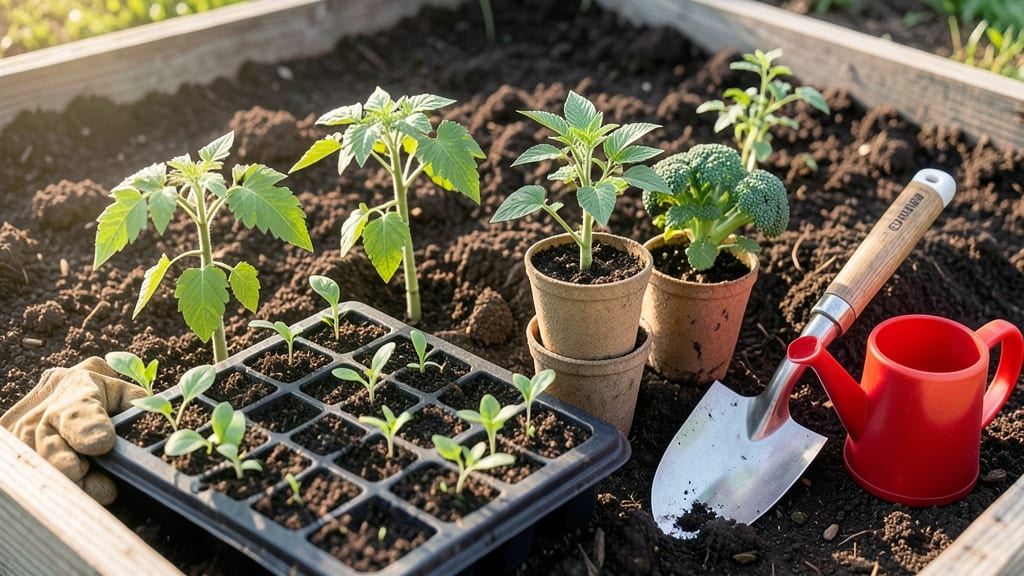
Timing when to plant a vegetable garden in Virginia isn’t just about avoiding frost—it’s about unlocking the longest, most productive harvests the state has to offer. One wrong move, and you could end up with bolted lettuce or wilted tomatoes before they even ripen.
But here’s the good news: with Virginia’s diverse climate zones, there’s a planting window for nearly every crop, whether you’re in the cooler Shenandoah Valley or the warmer Tidewater region.
Most gardeners in USDA zones 6a-8a swear by late winter to early spring as the prime time to get seeds in the ground—but that’s just the beginning. The real secret lies in understanding your local frost dates, soil temperatures, and which crops thrive in Virginia’s spring vs. fall seasons.
I’ll break down exactly when to plant everything from leafy greens to heat-loving peppers, so you can avoid common mistakes and maximize your garden’s potential.
What if you’re eager to start but don’t want to wait until the "perfect" window? Don’t worry—I’ll also share how to stretch your growing season with simple tricks like row covers and succession planting.
Whether you’re a first-time gardener or a veteran looking to refine your timing, these insights will help you grow more food with less guesswork. Let’s get those seeds in the soil the right way!
Ready to turn your Virginia garden into a year-round bounty? The key is knowing when to act—and I’ve got the region-specific strategies to make it happen. No more wasted effort, just bigger harvests and happier plants from spring through fall.
Virginia’s frost dates by region: key planting windows for vegetables
Virginia’s climate varies dramatically from the coastal Tidewater to the mountainous Shenandoah Valley, making frost dates a critical factor for vegetable gardeners. Understanding your USDA hardiness zone (5b-7b) and average frost dates helps you align planting with nature’s rhythm.
In Zone 5b, like the Shenandoah Valley, last frosts average April 15-30, while Zone 7b in Tidewater sees them as early as March 15. These differences mean your cool-season crops like lettuce or broccoli can go in weeks earlier in the south than in the mountains.
Warm-season crops like tomatoes and peppers need soil temperatures above 60°F and frost-free conditions. In Piedmont’s Zone 6b-7a, this typically means waiting until mid-April to May 15, while mountain regions may need to wait until late May.
First frosts also vary widely—October 15-30 in the south but as early as September 30 in higher elevations. This timing ensures your fall crops like kale or carrots mature before winter sets in.
Here’s how to use this data: Cool-season crops (e.g., peas, spinach) should be sown 4-6 weeks before your last frost, while warm-season crops (e.g., cucumbers, beans) need to wait until 2 weeks after that date.
For example, in Richmond (Zone 7b), plant cool crops by March 1 and warm crops after April 15. In Roanoke (Zone 6b), adjust those dates by 2-3 weeks later.
Heat zones also play a role. The Tidewater region (Zones 7b-8a) can handle longer growing seasons with 220+ frost-free days, while the Blue Ridge Mountains (Zones 5b-6a) offer only 165-180 days. This affects your choice of heat-tolerant varieties—opt for early-maturing tomatoes in the mountains or longer-season varieties in coastal areas.
To visualize these differences, use the Virginia Cooperative Extension’s interactive frost map (available at vce.va.edu). Hover over your county to see historical frost data and adjust your planting schedule accordingly.
For example, Norfolk’s Zone 8a has a 30-day longer growing season than Blacksburg’s Zone 6a, so you can plant sweet potatoes in June in Norfolk but risk failure in Blacksburg.
Now, let’s break down the planting windows by region with a comparison table to help you plan your garden like a pro.
| Region | USDA Zone | Avg. Last Frost | Avg. First Frost | Cool-Season Planting | Warm-Season Planting | Frost-Free Days | ||||||||||||||||||||||||||||||||||||||
|---|---|---|---|---|---|---|---|---|---|---|---|---|---|---|---|---|---|---|---|---|---|---|---|---|---|---|---|---|---|---|---|---|---|---|---|---|---|---|---|---|---|---|---|---|
| Tidewater (Norfolk, Virginia Beach) | 7b-8a | March 15 | November 1 | Feb 15 - Mar 31 | Apr 15 - May 15 | 220+ | ||||||||||||||||||||||||||||||||||||||
| Piedmont (Richmond, Charlottesville) | 6b-7a | April 1 | October 30 | Mar 1 - Apr 15 | Apr 30 - May 15 | 180-200 | ||||||||||||||||||||||||||||||||||||||
| Shenandoah Valley (Staunton, Harrisonburg) | 5b-6a | April 15 | October 15 |
Best vegetables to plant in Virginia’s spring vs. fall seasonsVirginia’s spring and fall seasons offer perfect windows for growing cool-season and warm-season vegetables. Spring planting starts 4-6 weeks before last frost (typically mid-March), while fall planting begins 8-10 weeks before first frost (late August). The key is matching heat-tolerant varieties to Virginia’s Piedmont summers (USDA zones 6b-7a) and cooler coastal regions. For spring gardens, focus on cool-hardy crops like leafy greens and root vegetables. These thrive in 50-65°F soil and can handle light frosts. In fall gardens, prioritize heat-resistant varieties that mature quickly before October’s first frost. Southern Virginia’s longer growing season allows for double cropping—planting spring crops early and fall crops late.
My top spring picks include broccoli, peas, and radishes, which thrive in cool temperatures and mature quickly. For fall gardens, heat-loving crops like eggplant, zucchini, and southern peas perform best when planted in July-August. These varieties handle Piedmont’s summer heat (often exceeding 90°F) and still produce before frost. In Coastal Virginia, where summers are milder, you can extend spring planting until mid-April and fall planting until early October. For mountain regions (like the Shenandoah Valley), prioritize early-maturing varieties to avoid late-season frosts that arrive as early as September. Pro tip: Use shade cloth for spring tomatoes if daytime temps exceed 85°F, and mulch heavily in fall to protect root crops from temperature swings. Always check seed packets for days-to-maturity and adjust planting dates accordingly—this ensures you harvest before frost! 🌱 For first-time gardeners, start with 3-4 varieties per season to avoid overwhelm. Leaf lettuce and bush beans are forgiving choices, while okra and sweet potatoes reward patience with high yields in Virginia’s extended growing season. Happy planting! 🌿 |