
Plants
Planting tulips in New York at the wrong time can mean waiting all winter for bulbs to rot in soggy soil—or worse, never seeing those 🌷 blooms you dreamed of. The secret to success? Timing it right in October or November when the ground stays cool but hasn’t frozen yet.
New York’s USDA Zones 5b-7a give you a narrow window to plant—usually between mid-October and early November—before the first hard frost locks the soil. Miss this, and your tulips might not survive the winter.
But get it right, and you’ll reward yourself with vibrant spring blooms that brighten up even the grayest New York days.
I’ve learned the hard way that rushing too early (like in September) can lead to moldy bulbs, while waiting until December risks freezing before roots establish.
The key is preparing your soil now—amending heavy clay with compost and choosing the right location—to set your tulips up for next spring’s showstopper display.
Whether you’re a first-time gardener or a seasoned pro, this guide breaks down exactly when to plant in your specific corner of New York, plus pro tips to protect your bulbs from squirrels and frost. Let’s get those 🌷 dreams in the ground the right way.
Best time to plant tulips in New York: month-by-month NY gardening calendar
New York’s fall planting window for tulips is critical—plant too early, and your bulbs may rot; too late, and they won’t establish roots before winter. The ideal time spans from mid-October to early November, aligning with USDA Zones 5b-7a and soil temperatures dropping below 60°F.
This timing ensures bulbs root before the ground freezes, typically mid-October in upstate NY and late October in NYC.
For early-blooming varieties (like ‘Early Harbinger’), aim for late September to mid-October—they need extra time to root. Late varieties (such as ‘Darwin Hybrid’ tulips) can wait until early November, but avoid planting after the first consistent frost, which can damage tender roots.
My rule of thumb? Plant when daytime temps average 50°F and nights dip near freezing.
Here’s your NY-specific planting calendar to visualize the perfect window for each month:
In USDA Zone 5b (e.g., Albany or Syracuse), aim for mid-October—colder temps mean bulbs need to root faster. For Zone 6a/7a (e.g., NYC or Long Island), stretch your window to early November thanks to milder winters.
Pro tip: Use a soil thermometer to confirm temps are below 60°F before planting.
Adjust for microclimates: Urban areas like Manhattan stay warmer, delaying frost by 1–2 weeks compared to rural upstate. If you’re unsure, err on the earlier side—tulips planted in October will outperform those planted in November, especially for first-year blooms.
I’ve seen ‘Parrot’ tulips planted in late October still thrive, but early planting guarantees bigger, healthier blooms.
Watch for late-season warmth—unusually mild October days can trick you into thinking it’s safe to plant later. Check your local National Weather Service for first frost dates and plant 4–6 weeks before that date.
For example, if frost hits November 15th, plant by mid-October. This buffer ensures roots form before winter sets in.
For container planting, follow the same timeline but use well-draining potting mix. Containers warm up faster in spring, so dwarf varieties (like ‘Tiny Star’) bloom 2–3 weeks earlier than standard tulips.
If you’re in Zone 7a (e.g., Hudson Valley), you might even squeeze in a late-November planting for next spring’s blooms.
Remember: No spring planting! Tulips are cool-season plants that need a dormant period. Planting in spring leads to no blooms—the bulb won’t have time to establish roots before summer heat. If you miss fall, wait until next year and mark your calendar now!
Once planted, mulch lightly with straw or shredded leaves to insulate bulbs from freeze-thaw cycles, which can damage emerging roots. In Zone 5b, add an extra layer of mulch if winters are harsh. Next spring, you’ll be rewarded with bold, vibrant blooms—worth the timing precision!
NY-specific tips for planting tulips: soil, depth, and location secrets
New York’s heavy clay soil can be a challenge for tulips, but with the right prep, you’ll get stunning blooms. The key is breaking up that dense soil and ensuring proper drainage—tulips hate soggy roots.
Start by amending your garden with compost or sand to lighten the texture while improving aeration.
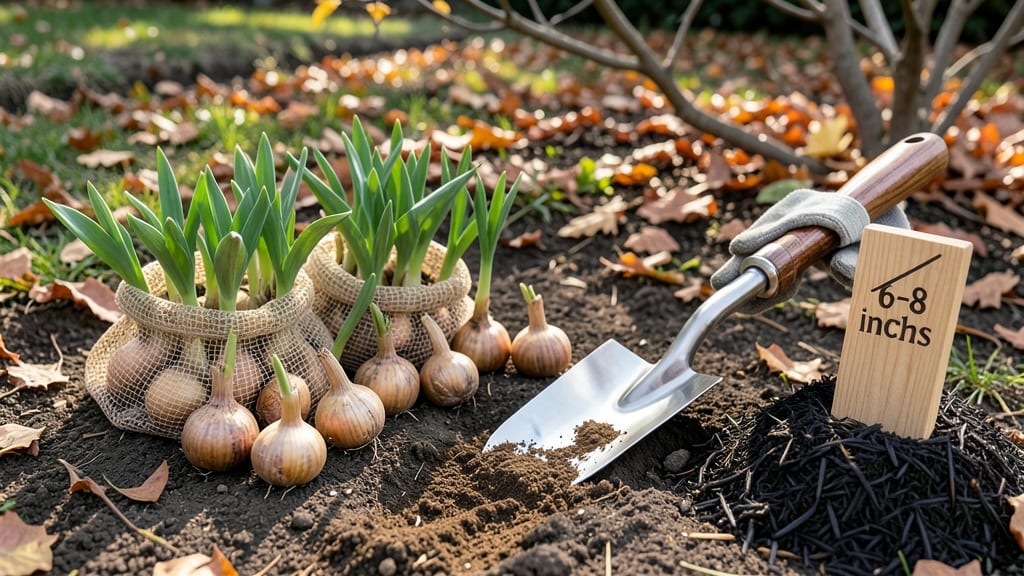
For optimal bulb depth, aim for 6-8 inches below the soil surface. This depth protects the bulbs from freezing and provides stability. Use a trowel or bulb planter to dig holes, spacing them 4-6 inches apart to give each bulb room to grow without competing for nutrients.
🌱
Location matters just as much as soil prep. Choose a spot with full sun exposure—at least 6 hours of direct sunlight daily. Tulips thrive in open areas where they can bask in the morning sun and enjoy afternoon light.
Avoid shady spots under trees or structures, as this can lead to weak stems and fewer blooms.
To protect your bulbs from late-season frost, apply a 2-3 inch layer of mulch after planting. Use straw or shredded leaves to insulate the soil and regulate temperatures. This also helps deter squirrels and rodents, which love digging up tulip bulbs for a snack.
After planting, give your tulips a deep watering to settle the soil around the bulbs. Once established, they’re drought-tolerant, but consistent moisture during the growing season (spring) encourages strong root development. Skip fertilizing in fall—tulips store nutrients in their bulbs naturally.
For NY-specific varieties, opt for Darwin Hybrid tulips (tough and reliable) or Fosteriana tulips (early bloomers that handle cold well). These varieties are bred to withstand New York’s harsh winters and still deliver vibrant spring color.
🌷