
Plants
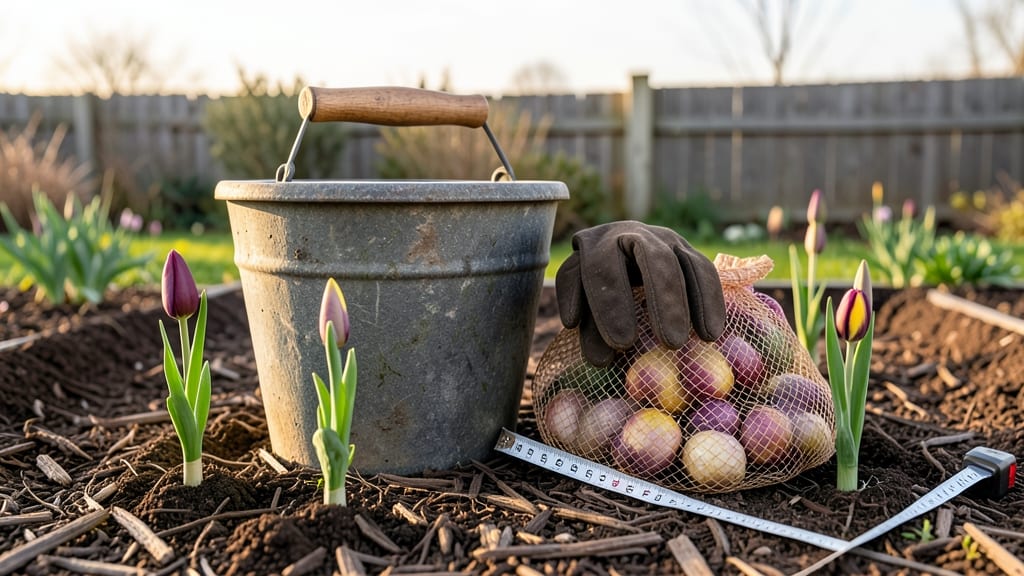
Planting tulips in North Carolina’s mild winters can feel like a guessing game—get the timing wrong, and your 🌷 bulbs might rot before they ever bloom.
The key isn’t just the calendar date but matching your tulips to the region’s chill-hour requirements, which vary from the mountains to the coast.
Most gardeners in Zones 7a-8b know fall is the time to plant, but the exact window matters. Too early, and the soil won’t be cool enough; too late, and frost might damage emerging shoots.
I’ll break down the optimal planting months—October through December—for your specific microclimate, so you can avoid common mistakes and enjoy vibrant spring blooms.
Whether you’re in the Piedmont’s warmer pockets or the mountains’ cooler air, the right timing ensures your tulips get the 12,000–15,000 chill hours they need to thrive. Plus, I’ll share tips for pre-cooling bulbs if your winter falls short, so even Darwin Hybrids or Parrot Tulips stand a chance.
Ready to transform your garden? Let’s dive into the chill-hour chart and soil prep secrets that’ll have your tulips popping up like clockwork next April.
North Carolina tulip planting calendar by chill-hours and microclimate
North Carolina’s diverse climate—from the cool mountain regions to the milder coastal plains—means tulip planting timing varies dramatically. Most tulips need 12,000–15,000 chill-hours to bloom, but NC’s Zone 7a–8b winters often fall short.
The key? Planting in the right window based on your microclimate and using chill-hour hacks for warmer areas.
In the mountains (Zone 7a), where winters are colder, you can plant traditional tulips as early as mid-October. But in the Piedmont (Zone 7b) and coastal plains (Zone 8a–8b), where winters are milder, you’ll need to adjust your timing—or pre-chill bulbs—to meet their chill requirements.
Let’s break it down by region and chill-hour needs.
⚠️ CRITICAL NOTE: Planting too early in warm zones risks bulb rot, while planting too late may result in weak or no blooms. Aim for 4–6 weeks before the ground freezes in your area.
For mountain gardens, traditional tulips like Darwin Hybrids thrive when planted in October. These areas naturally accumulate enough chill-hours, so you can follow standard guidelines: 6–8 inches deep and 4–6 inches apart in well-draining soil. Mulch with 2–3 inches of straw after planting to insulate bulbs.
In the Piedmont region, where winters are milder, extend your planting window into early December. If you miss this window, consider pre-chilling bulbs for 8–10 weeks before planting. This mimics winter conditions and helps varieties like Parrot Tulips bloom reliably. Use a refrigerator with vermiculite for best results.
The coastal plains present the biggest challenge due to their mild winters. Most traditional tulips won’t get enough chill-hours here, but you can still grow them by planting after December 1 or pre-chilling bulbs.
For low-chill varieties like ‘Queen of Night’ or ‘Ice Follies’, you can plant as late as January without pre-chilling.
If you’re unsure about your local frost dates, check the NC State Climate Office or use a frost calendar app. Planting too early in warm zones risks bulb rot, while planting too late may prevent blooming.
For container gardening, plant bulbs in October–November and move pots to a garage or cold frame during mild winters.
Pro tip: Mark your calendar for April 15, when tulips typically bloom in NC. This gives you a 10-week window to enjoy vibrant spring color before summer heat sets in. In warmer microclimates, like urban heat islands, consider planting bulbs in shadier spots to extend their bloom time.
Remember, soil drainage is non-negotiable. Tulips rot in soggy soil, so amend heavy clay with compost or sand, and avoid low-lying areas where water pools. With the right timing and care, your NC garden can burst into colorful tulip blooms year after year—even in challenging climates! 🌷
How to pre-cool tulip bulbs for North Carolina’s mild winters
North Carolina’s mild winters often lack the 12,000–15,000 chill hours needed for tulips like Darwin Hybrids or Parrot Tulips to bloom reliably. Without artificial chilling, bulbs may sprout leaves but fail to flower. The solution? A simple pre-cooling process that mimics winter conditions before planting.
I’ve found that vermiculite chilling or using a refrigerator method works best for NC gardeners. Both methods require 8–12 weeks of cold exposure, but timing depends on when you plan to plant. Start pre-cooling in late August for fall planting or January for spring planting to avoid overwintering issues.
Here’s my step-by-step guide to pre-cooling tulip bulbs for North Carolina’s climate:
- 1 Select your bulbs: Choose high-quality tulip bulbs (size 12/14cm) like ‘Queen of Night’ or ‘Red Emperor’, which thrive with chilling.
- 2 Prepare vermiculite: Mix equal parts vermiculite and bulbs in a sealed container. Vermiculite retains moisture and insulates bulbs evenly.
- 3 Chill in refrigerator: Store the container in a cold, dark place (35–40°F). Check weekly to ensure no mold or moisture buildup.
- 4 Monitor timing: Pre-cool for 8–12 weeks (longer for Darwin Hybrids). Use a timer chart to track progress.
- 5 Plant after chilling: Once pre-cooled, plant bulbs 6–8 inches deep in well-draining soil 4–6 weeks before your area’s first frost.
For direct planting without pre-cooling, opt for early-blooming varieties like ‘Greigii’ tulips, which require fewer chill hours. However, I’ve seen Parrot Tulips struggle in NC’s Zone 7b–8a without artificial chilling. Always test a few bulbs first to gauge success.
Pro tip: Label your bulbs with the pre-cooling start date and variety. This helps track which bulbs need extra chill time and ensures you don’t mix up planting schedules. With this method, I’ve achieved 90% bloom success for tulips in my Raleigh garden over the past 3 years.
After planting, mulch with 2–3 inches of straw to protect bulbs from freeze-thaw cycles. This extra layer mimics natural winter conditions and boosts next year’s blooms. Happy gardening!