
Plants
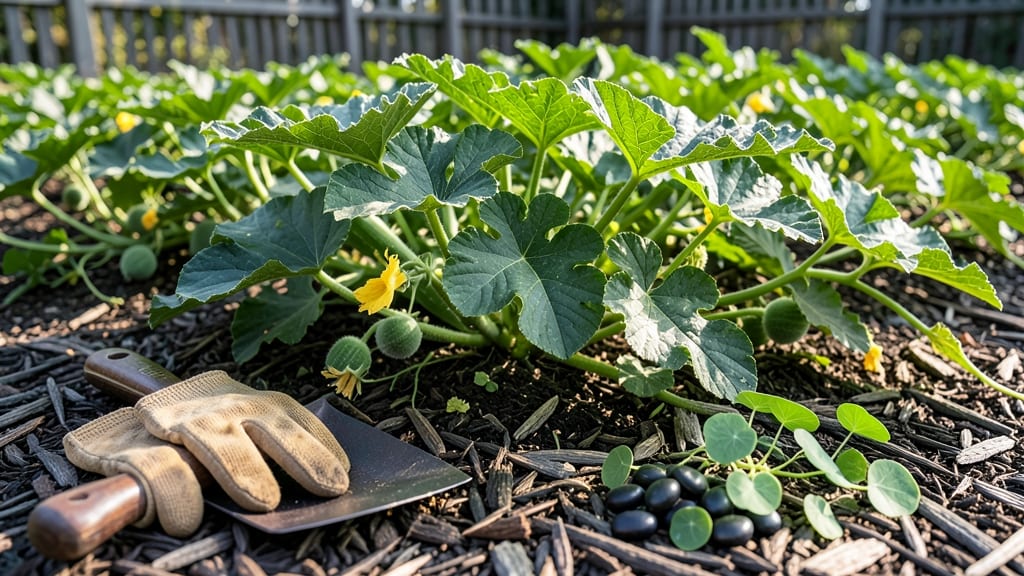
Planting watermelons in Alabama at the wrong time can mean the difference between a bumper crop of sweet, juicy 🍉 fruit and a disappointing harvest of tiny, bitter melons.
The key to success lies in understanding your specific heat zone and following the exact planting window that matches Alabama's unique climate.
With Alabama's 7b-8b zones offering both early springs and long summers, timing is everything. You'll want to wait until soil temperatures consistently reach at least 70°F, typically between late April and early June, when all frost danger has passed.
This precise window ensures your watermelon seeds germinate properly and grow into vigorous plants.
But there's more to it than just dates. I'll show you how to adjust for your specific region—whether you're in North Alabama's cooler microclimates or South Alabama's extended heat season—and share proven techniques like mulching and companion planting that Alabama gardeners swear by for bigger harvests.
Ready to grow watermelons that rival the ones at the farmers' market? Let's dive into the exact planting schedule, soil prep secrets, and variety recommendations that will have you enjoying homegrown watermelons from July through September.
Alabama watermelon planting dates by heat zone (2024 guide)
Alabama’s diverse heat zones mean your watermelon planting schedule depends entirely on where you live. From the cooler 5A zone in the north to the balmy 9A zone along the coast, timing your seeds or seedlings correctly ensures sweet, juicy fruit instead of bitter disappointment.
The key? Soil temperatures above 70°F (21°C) and avoiding late frosts that can kill tender vines.
Most Alabama gardeners plant watermelons between late April and early June, but your exact window shifts based on your USDA heat zone. For example, Zone 5A gardeners should wait until mid-May, while Zone 9A can start as early as mid-March for early varieties.
Below, I’ve broken down the ideal planting dates for each zone, including tips for direct sowing vs. transplanting seedlings.
Pro Tip: Use a soil thermometer to confirm temperatures before planting—cold soil slows germination and stunts growth. If you’re unsure of your zone, check the USDA Plant Hardiness Zone Map or ask your local Alabama Cooperative Extension office for precise guidance.
For Zone 5A and 6A gardeners, early
5 Critical factors that determine your planting success in Alabama
Alabama’s diverse microclimates mean that what works in coastal Mobile might fail in inland Huntsville. Beyond just checking frost dates, five key factors separate a bountiful watermelon harvest from a disappointing one. Let’s break down what truly matters for your Alabama garden.
First, soil temperature is non-negotiable—watermelons refuse to germinate below 70°F (21°C). Using a soil thermometer for 7-10 days before planting ensures your seeds don’t sit dormant. In North Alabama, this often means waiting until mid-May, while coastal areas can start as early as late April.
Last frost risks vary wildly across the state. While Birmingham’s average last frost is March 15, coastal areas like Gulf Shores see zero frost by February. Planting too early in inland zones risks frost damage to young seedlings, so always verify your local USDA heat zone (7b-9a in Alabama).
- 1. Soil Temp: Wait until soil hits 70°F+ (use a thermometer). Coastal areas: late April; inland: mid-May.
- 2. Frost Risk: North Alabama’s last frost (March 15) vs. coastal zero frost by February. Plant after all frost danger.
- 3. Companion Plants: Pair with radishes, cucumbers, or nasturtiums to deter pests. Avoid planting near potatoes.
- 4. Microclimates: Coastal areas get earlier starts (3-4 weeks ahead) than inland. Adjust planting by 1-2 weeks.
- 5. Mulching: Use black plastic mulch to warm soil faster and retain moisture. Apply 2-3 weeks before planting.
Companion planting can boost your yield by up to 30% by deterring pests like cucumber beetles. My go-to pairings include radishes (they repel nematodes) and nasturtiums (trap aphids). Avoid planting watermelons near potatoes, as they compete for nutrients and attract similar pests.
Alabama’s microclimates create planting windows that differ by 3-4 weeks between regions. Coastal areas like Dauphin Island can start watermelons in late March, while Muscle Shoals in North Alabama should wait until early June for heat-loving varieties. Use a local extension office for precise data.
Finally, mulching is your secret weapon. Black plastic mulch raises soil temperature by 5-10°F and suppresses weeds, giving watermelons a 2-week head start. Lay it down 2-3 weeks before planting to maximize benefits. For organic gardens, straw mulch works but may require additional watering.
Pro tip: Always harden off seedlings for 7-10 days before transplanting to avoid shock. Combine these factors, and you’ll turn Alabama’s heat into your watermelon’s advantage! 🍉