
Flowers
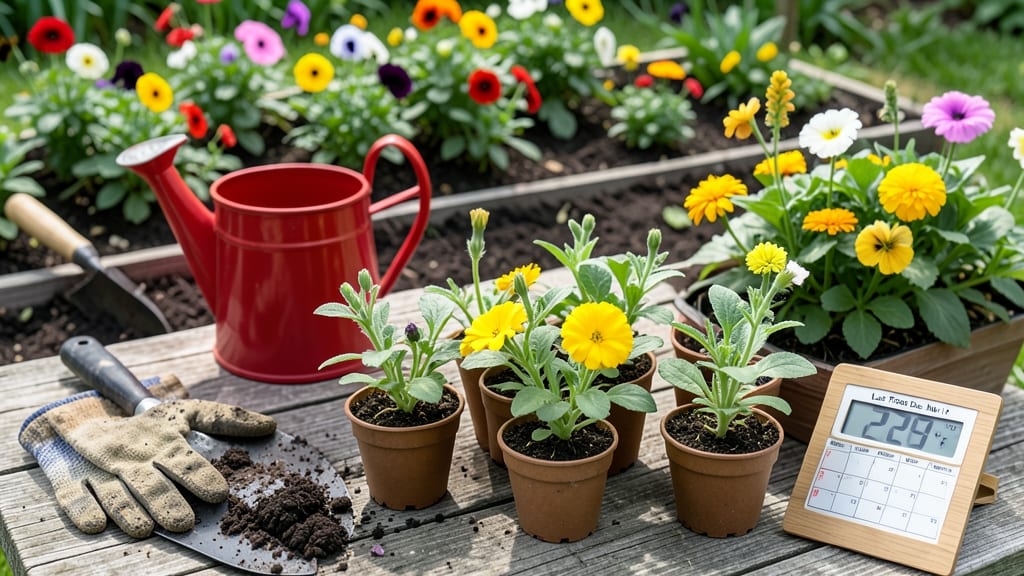
Michigan’s last frost dates by region: when to plant flowers safely
Timing your flower planting in Michigan means knowing your last average frost date—because one late frost can turn your tender blooms into icy mush. The Upper Peninsula and Northern Lower Peninsula play by different rules than Metro Detroit or Southern Michigan.
Even within regions, microclimates near lakes or urban areas can shift safe planting windows by weeks.
For most of Michigan, the last frost date typically falls between mid-April and late May, but don’t let averages fool you. Historical data shows late May frosts occur every 5-10 years in some areas.
I’ve gardened in USDA Zones 5b-6b for years, and I’ve learned to wait until soil temperatures hit 50°F—not just air temps—to plant heat-loving annuals like marigolds or petunias.
Note: These dates are averages. Check local weather forecasts 1-2 weeks before planting, and use frost cloths for early starts. Even in Southern Michigan, where last frosts average April 25, a hard freeze can still sneak in during May.
| Region | Last Frost Date (Avg.) | Safe Planting Window | Notes |
|---|---|---|---|
| Upper Peninsula | May 10 - May 20 | Wait until May 25 for tender annuals | Cooler microclimates near Lake Superior may delay by 1-2 weeks |
| Northern Lower Peninsula | April 25 - May 5 | Start hardy perennials in early April | Urban areas (e.g., Traverse City) warm faster |
| Metro Detroit | April 15 - April 25 | Plant cool-season flowers by April 1 | Heat islands can push dates 1 week earlier |
| Southern Michigan | April 10 - April 20 | Early bulbs (tulips, daffodils) by March 15 | Lake Erie effects delay frosts near Toledo |
In the Upper Peninsula, where last frosts average May 15, I’ve seen hardy flowers like pansies and snapdragons thrive when planted in early April. These cool-season annuals handle light frosts, but tender perennials like geraniums need to wait until May 25 to avoid damage.
For Northern Lower Peninsula gardeners, the window opens earlier—typically by April 25. This is prime time for perennials like daylilies and coneflowers, which establish roots before summer heat. However, annuals like zinnias should wait until May 10 to avoid frost nipping.
Metro Detroit’s warmer microclimate lets you plant cool-season flowers as early as March 15 under frost cloths. By April 15, most annuals and perennials can go in the ground. Pro tip: Use row covers for a 2-week buffer if late frosts are forecasted.
Southern Michigan’s earliest last frost dates (around April 15) make it ideal for early bulb planting. I’ve had tulips bloom reliably when planted in March, but heat-loving annuals like marigolds still need to wait until May 1 to avoid stress.
Microclimates matter! A garden near Lake Michigan or Lake Erie may experience delayed frosts due to lake breezes, while urban areas can be 2-3°F warmer than rural spots. Always check local records—your neighbor’s frost date might not match yours.
To play it safe, I recommend using the 50°F soil temperature rule as your final check. A soil thermometer ($10 at garden centers) is worth its weight in frost-free blooms.
Combine this with weekly weather updates from the National Weather Service, and you’ll avoid the heartbreak of frost-killed petunias.
Remember:
How to extend your flower planting season in Michigan
Michigan’s short growing season can feel like a race against time, but with the right strategies, you can coax vibrant blooms weeks earlier or later than usual. I’ve learned that cold frames and frost cloths are my secret weapons for beating frost, while selecting heat-tolerant varieties ensures late-season success.
Even in USDA Zones 5b-6b, we can push boundaries—if we know how.
Timing is everything, but Mother Nature doesn’t always follow the calendar. Hardy annuals like pansies and snapdragons can handle light frosts, while perennials like daylilies and coneflowers return reliably year after year. The trick? Start early with protection and choose varieties that match your extended season goals.
Here’s my step-by-step guide to stretching your flower season—without sacrificing beauty or health:
- 1 Start with cold-hardy varieties: Plant pansies, violas, and calendulas as early as mid-March under frost cloth. These thrive in 40-50°F soil and tolerate light frosts.
- 2 Use cold frames or cloches: Extend the season by 3-4 weeks with clear plastic domes. Place them over seedlings or young plants to trap heat. Remove during warm days to prevent overheating.
- 3 Lay frost cloth strategically: Cover tender plants like petunias or geraniums with frost cloth when nighttime temps drop below 32°F. Secure edges with bricks or stakes to avoid wind damage.
- 4 Choose heat-tolerant annuals: For late starts, opt for marigolds, zinnias, or cosmos. These handle 90°F+ temps and even drought once established. Plant them after Memorial Day for best results.
- 5 Mulch for insulation: Apply 2-3 inches of straw or shredded leaves around perennials in early spring to warm soil faster. In fall, mulch with straw or evergreen boughs to protect roots from early frosts.
- 6 Monitor microclimates: South-facing slopes warm up faster than shaded areas. Plant frost-sensitive varieties like impatiens here first. Use a soil thermometer to check when temps hit 50°F—the safe threshold for most flowers.
- 7 Succession plant for continuous blooms: Sow fast-growing annuals like bachelor’s buttons or nasturtiums every 2-3 weeks from May through July. This ensures flowers all season long, even if early plantings falter.
One of my favorite tricks is combining frost cloth with row covers for extra protection. Last year, I extended my dahlias by 6 weeks using this combo—something I never thought possible in Zone 6a. Even in cooler regions like the Upper Peninsula, these methods work with slight adjustments.
Remember, the goal isn’t just to plant earlier or later—it’s to create a resilient garden that thrives despite Michigan’s unpredictable weather. Start small with one or two strategies, then expand as you gain confidence. Before you know it, you’ll have a longer, more vibrant flower season than ever before! 🌷