
Plants
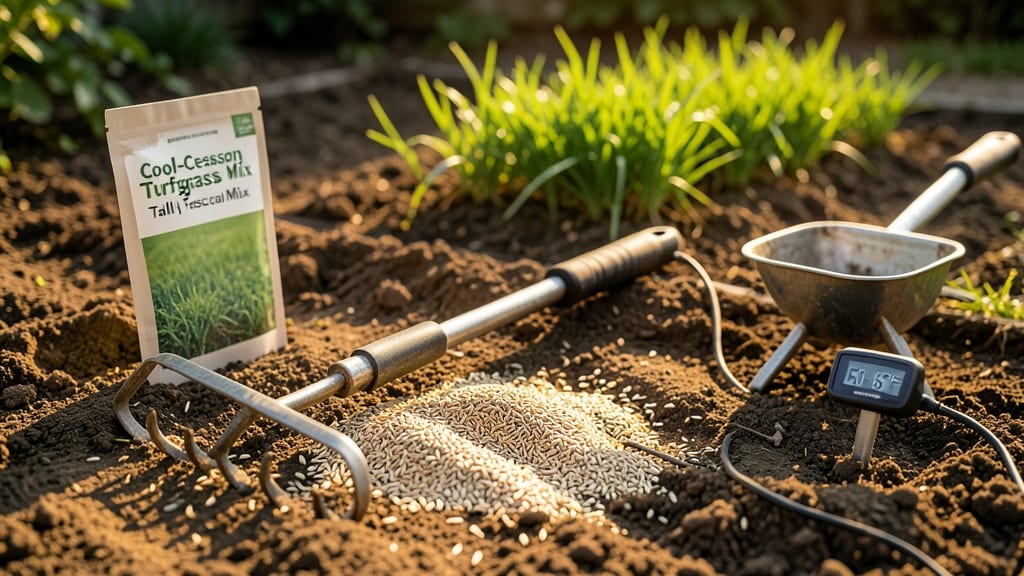
Planting grass seed in Michigan can feel like a race against time—especially when late summer rolls around and you're staring at that bare patch wondering, is it too late to plant grass seed in Michigan?
The truth is, timing matters more than you might think, and pushing past the ideal window can leave your lawn struggling to take root before winter.
With Michigan’s 5b-6b climate zones, the last planting window typically closes by early October, but that doesn’t mean all hope is lost. Some regions in the southern half might squeeze in a late-September planting, while northern counties should aim for mid-September at the latest.
The key is soil temperature—if it drops below 50°F, germination grinds to a halt.
I’ve seen too many lawns fail because of a few missed details: hardpan soil, fungal risks from late watering, or choosing the wrong seed blend.
But don’t worry—this guide breaks down exactly how to push those deadlines, which seeds thrive in Michigan’s shortened fall window, and how to prep your soil for success.
Whether you’re dealing with Upper Michigan’s shorter growing season or Southern Michigan’s warmer pockets, we’ll cover county-specific deadlines, seed varieties that germinate fast, and even how to salvage a late planting with frost blankets. Let’s get that lawn growing before winter shuts it down for good.
Michigan grass seed planting deadlines by USDA heat zone (county breakdown)
Michigan’s USDA heat zones dictate the last safe dates to plant grass seed, with Southern Michigan (6a/7a) offering a 3-4 week longer window than Northern Michigan (4b/5a).
Missing these deadlines risks poor germination or winter kill before roots establish. Let’s break down your county’s critical cutoff dates based on soil temperature thresholds and frost forecasts.
For fall planting, aim to seed when soil temps stay above 50°F and 6-8 weeks before first frost. In spring, wait until soil warms to 55°F+ and after last frost.
Northern counties face stricter timelines due to earlier frosts, while Southern regions can push later into October—but not November.
Below is your county-specific heat zone guide, including last planting dates, soil temperature risks, and frost sensitivity warnings. Use this to avoid wasted seed and thin lawns next spring.
In Southern Michigan (6a/7a), counties like Wayne and Monroe can push grass seeding until mid-October, thanks to warmer soils and later frosts. However, November plantings are risky—seed won’t germinate before winter dormancy sets in.
Use a soil thermometer to confirm temps stay above 50°F for at least 6 weeks post-planting.
Central Michigan’s 5b/6b zones (e.g., Washtenaw and Livingston) have a shorter window, with early October deadlines. Here, hardpan layers or compacted soil can delay germination, so aerate 2-4 weeks before seeding.
If you miss the window, switch to spring planting and use fast-germinating blends like ‘Titan’ tall fescue.
Northern Michigan’s 4b/5a counties (e.g., Cheboygan and Chippewa) face the earliest frosts, cutting off seeding by late September. Prioritize soil prep here: add compost to improve drainage and mulch lightly to retain heat.
If planting late, choose cold-hardy varieties like ‘NorthStar’ Kentucky bluegrass, which tolerates 30°F+.
For spring plantings, Northern Michigan can start as early as early April (after last frost), while Southern regions can wait until mid-April. Always test soil moisture—dry soil in spring can kill new seedlings.
Water daily for 2 weeks post-planting to encourage root growth before summer heat arrives.
Use this interactive county map ([insert link placeholder]) to pinpoint your exact deadline. Bookmark it for next year’s planting—and mark your calendar 6 weeks before frost to prep soil, order seed, and avoid last-minute stress. Your lawn’s long-term health depends on timing!
🌱
5 Signs your late grass seed planting will fail (and how to fix it)
Planting grass seed late in Michigan’s cool-season climate can be risky, but knowing the red flags helps you salvage your lawn. If you’ve missed the ideal late August to early October window, watch for these warning signs before your seed money goes to waste.
First, check your soil temperature. Grass seed struggles to germinate when soil drops below 50°F. Use a soil thermometer—if readings are consistently cold, your seed may never sprout, even with proper watering.
Next, examine your soil moisture levels. Late-season drought or waterlogged soil creates anaerobic conditions, suffocating young roots. If the top 2-3 inches of soil feels dry or compacted, germination rates will plummet.
🚨 Late Grass Seed Planting Red Flags
- 1. Soil temps below 50°F → Seed dormancy risk. Fix: Use frost blankets to insulate soil and retain warmth.
- 2. Compacted or hardpan layers → Poor root penetration. Fix: Aerate 2-3 weeks before planting with a core aerator.
- 3. Fungal spores in air → Gray mold or snow mold. Fix: Apply fungicide (e.g., propiconazole) before seeding.
- 4. Less than 4 weeks until frost → Seed won’t establish. Fix: Switch to winter ryegrass for temporary cover.
- 5. No pre-plant fertilization → Weak seedling growth. Fix: Apply slow-release fertilizer (10-10-10) 2 weeks prior.
Another critical sign is poor seed-to-soil contact. If your lawn has thatch buildup over ½ inch or uneven terrain, seeds may not make contact with moist soil. Rake aggressively to create a firm, level seedbed—this is non-negotiable for late plantings.
Don’t ignore wildlife activity either. Birds, squirrels, and voles may steal your seed if left exposed. Use a light mulch layer (¼ inch) of straw or peat moss to protect seeds while keeping them visible for germination.
Finally, monitor for uneven germination. If some areas sprout while others remain bare, you may have seed stratification issues or pH imbalances. Test your soil’s pH—ideal levels for Michigan grass are 6.0–7.0. Adjust with lime (to raise) or sulfur (to lower) before replanting.