
Trees
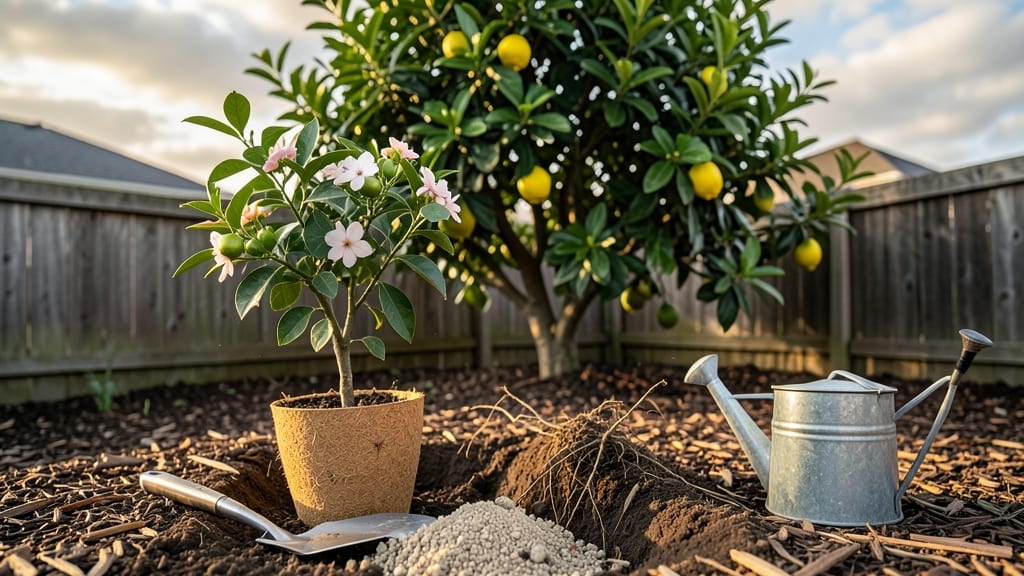
Planting a citrus tree 🍊 in Florida might seem simple—after all, it’s warm year-round—but timing matters more than you’d think.
The best time to plant citrus trees in Florida actually depends on avoiding stress from extreme heat or cold snaps, especially in zones like 8a where rare frosts can sneak in.
Most Florida gardeners swear by early spring (February-March) or fall (September-October) as the sweet spot. These windows give roots time to establish before summer’s brutal heat or winter’s occasional chill.
But if you’re in South Florida’s frost-free zones, you’ve got more flexibility—even summer planting works if you keep the soil moist.
Why does this matter? Planting at the wrong time can leave your citrus tree struggling with transplant shock or vulnerable to pests. I’ll break down the science behind chill-hour zones and share pro tips to set your tree up for success—no matter where in Florida you’re growing.
Ready to get started? Let’s dive into the best months, soil prep, and care tricks that’ll have your citrus tree thriving in no time.
Optimal planting windows for Florida citrus trees by chill-hour Zone
Florida’s citrus trees thrive year-round, but timing matters—especially when accounting for chill-hour zones. These zones (0-250 hours) determine how much cold your citrus can handle. In Zone 9-11 (South Florida), you can plant almost anytime, but Zone 8a (North Florida) needs careful timing to avoid frost damage.
I’ll break down the best windows for oranges, lemons, and grapefruits based on chill hours and seasonal cues.
For South Florida (Zones 10-11), the ideal window spans January through May. This avoids the humid summer heat, which stresses young roots. In Central Florida (Zone 9), aim for late winter to early spring (February-April) to let roots establish before summer’s intensity.
Meanwhile, North Florida (Zone 8a) gardeners should plant in late February to March—just before the last frost risk.
Here’s the key: Plant when soil temps are above 60°F. Cold soil stunts root growth, making your tree vulnerable to transplant shock and pests. In Florida, this usually aligns with early spring, but late winter works too if you’re in a frost-free zone.
For example, a Meyer lemon in Miami can go in December, while a Valencia orange in Orlando waits until March.
Now, let’s compare the best planting windows by chill-hour zone and citrus type. Use this table to pick the perfect timing for your garden:
Why does this matter? Citrus trees planted in early spring establish roots before Florida’s summer heat stress kicks in. For example, a grapefruit tree in Zone 9 planted in February will have a stronger root system by June, making it more resilient to hurricane winds and citrus greening disease.
Meanwhile, planting in late winter (like January) gives roots a head start before the humid growing season begins.
If you’re in North Florida (Zone 8a), avoid planting in December or January—even a light frost (28°F) can kill young citrus. Instead, wait until late March, when soil temps consistently stay above 60°F.
Pro tip: Use a minimum-maximum thermometer to track soil temps before planting. Bury it 4 inches deep for accurate readings.
For container-grown citrus, timing is flexible but still critical. Plant in early spring to align with Florida’s natural rainfall patterns. Containers dry out faster, so deep watering every 3-5 days is a must.
If you’re moving a potted citrus outdoors, harden it off for 1-2 weeks by gradually exposing it to direct sun. This prevents sunburn on leaves, which weakens the tree.
One mistake I see often? Planting citrus in summer. The intense heat and high humidity create the perfect storm for root rot and pests like aphids. Instead, focus on fall or early spring when temps are mild.
For example, a lemon tree planted in September in South Florida will thrive because the monsoon rains help establish roots without overwhelming the plant.
To maximize success, pair planting with proper soil prep. Florida’s sandy soil drains too quickly, so amend it with 2-3 inches of compost and a well-rotted manure before planting. Add a 3-inch layer of mulch (like pine bark) to retain moisture and regulate soil temps.
This is especially important in Zone 8a, where temperature swings can stress young trees.
Remember: Citrus trees are evergreens, so they
How to prepare your citrus tree for Florida’s unique climate challenges
Florida’s humidity, heavy rains, and occasional cold snaps create a tricky environment for citrus trees. The key to success lies in preparing your soil and protecting your tree before planting. Unlike cooler climates, Florida’s sandy soil drains too quickly, while clay-heavy areas can suffocate roots.
I’ve learned the hard way—skipping soil prep leads to weak trees vulnerable to pests like citrus greening or fungal diseases.
Start by testing your soil’s pH level—citrus trees thrive in slightly acidic soil (6.0–7.0). If your soil is too alkaline, mix in peat moss or sulfur to adjust it.
Florida’s native soil often lacks organic matter, so amend it with well-rotted compost or aged manure to improve fertility. This step is non-negotiable; poor soil equals poor growth.
Now, let’s talk drainage. Citrus trees hate soggy roots, so avoid low-lying areas where water pools. If your yard has poor drainage, consider raising beds or planting on a slight slope.
For container-grown citrus, use pots with drainage holes and a well-draining potting mix (like a blend of peat, perlite, and pine bark).
🌱 Citrus Tree Prep Checklist for Florida
- ☑️ Soil Test: Check pH (aim for 6.0–7.0)
- ☑️ Amend Soil: Add 2–3 inches of compost
- ☑️ Drainage Fix: Raise beds or slope planting area
- ☑️ Mulch Base: Apply 3-inch layer of wood chips (keep away from trunk)
- ☑️ Fertilize: Use citrus-specific fertilizer (6-6-6 NPK)
- ☑️ Pest Proof: Inspect for aphids or scale before planting
- ☑️ Water Deeply: Soak roots at planting and weekly after
After planting, mulching is your best friend. Spread a 3-inch layer of wood chips or pine straw around the base of your tree (but keep it 6 inches away from the trunk to prevent rot).
Mulch retains moisture, regulates soil temperature, and suppresses weeds—critical in Florida’s intense heat. Just remember to replenish mulch every few months as it breaks down.
Florida’s humidity and pests demand extra vigilance. Monitor your tree for signs of citrus greening (yellowing leaves, stunted growth) or scale insects. If you spot pests, act fast with neem oil or horticultural oil sprays.
Also, prune dead or diseased branches immediately to prevent spread. A healthy tree is a resilient tree!
Finally, watering strategy makes all the difference. Newly planted citrus trees need deep, infrequent watering—about 15–30 gallons per tree—to encourage deep root growth. Water early in the morning to reduce evaporation and fungal risks.
Once established, citrus trees are drought-tolerant, but young trees can’t handle stress, so keep soil consistently moist during Florida’s dry spells.