
Trees
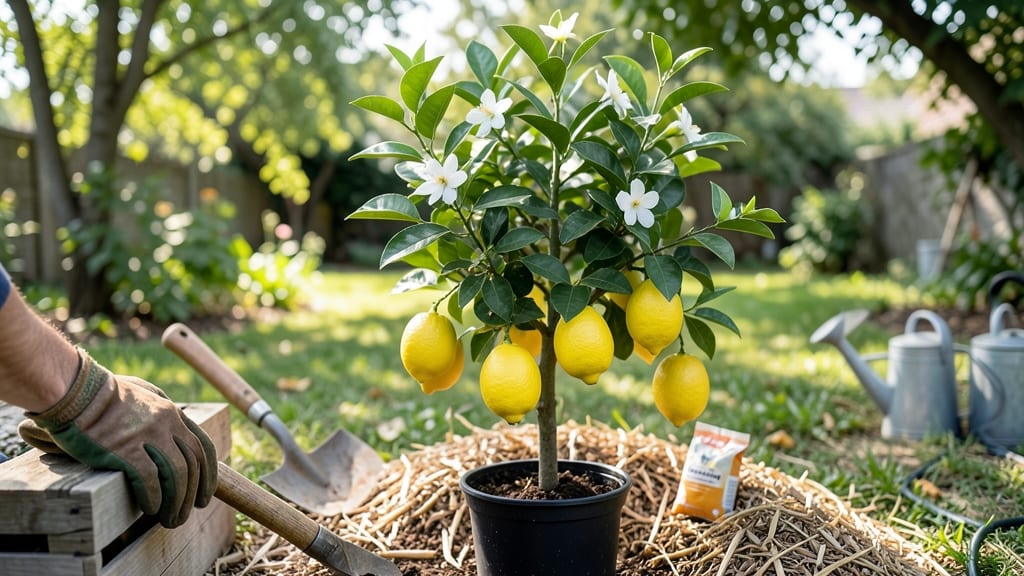
Planting a citrus tree in Arizona isn’t just about finding the right spot—it’s about timing it perfectly to avoid those sneaky late-winter frosts that can turn your 🍊 citrus tree into a sad, brown stick.
The window between November and March is your sweet spot, but even then, elevation matters: Phoenix’s heat zones play by different rules than Flagstaff’s chilly microclimates.
You’ve got about 300 frost-free days in most of Arizona, but those cold snaps in December or January can still sneak up—especially if you’re in the higher elevations of Zone 9b. That’s why I’m breaking down the exact months to plant based on your local heat zone, so you can skip the guesswork and get your tree in the ground when it’s actually safe.
Once you’ve nailed the timing, the real work begins: preparing that well-draining soil, shielding your tree from the desert winds, and keeping it hydrated without drowning it. I’ll walk you through the post-planting care tricks that’ll have your citrus thriving year-round—even in Arizona’s brutal summers.
Whether you’re dreaming of juicy oranges or zesty lemons, this guide will help you plant at the perfect moment so you can enjoy your harvest without the stress. Let’s get your citrus tree off to the best start possible.
Arizona citrus planting calendar: frost-free dates by USDA heat Zone
Arizona’s USDA heat zones 6a-10a create dramatic differences in citrus planting success. Unlike coastal areas, inland zones face unpredictable cold snaps even in winter—making timing everything. Plant too early, and your tree may struggle with summer heat shock; too late, and frost can kill young roots before they establish.
The key is planting during cooler months when soil temperatures stay above 60°F but nights aren’t freezing. For Zone 6a (high elevations like Flagstaff), your window narrows to just 6 weeks, while Zone 10a (Yuma/Phoenix) offers a 5-month frost-free period. Let’s break down the exact months for each zone.
⚠️ Critical Note: Arizona’s microclimates matter more than elevation alone. A low-desert valley (Zone 10a) might see 0°F temps in winter, while a protected urban garden in Phoenix stays 50°F+. Always check your local frost dates via the National Weather Service.
For Zone 6a-7b, focus on November–March planting. These areas experience hard frosts, so avoid transplanting after March 15—even dwarf citrus can’t survive 20°F temps. I recommend container growing in colder zones, where you can move pots indoors during winter.
In Zone 8b, your window expands to September–April, but late fall (October–November) is ideal. This gives roots time to establish before summer’s brutal heat. I’ve seen Eureka lemons thrive when planted in early November, producing fruit by spring.
Zone 10a growers have the most flexibility—plant anytime! However, November–February avoids extreme summer heat at transplant. Even here, heat waves above 110°F can shock young trees, so morning watering and shade cloth help.
Pro tip: Soil temperature matters more than air temp. Use a soil thermometer—plant when it’s consistently above 60°F. In Zone 8b, this often means waiting until late October even if air temps are mild.
If you miss the ideal window, don’t panic! Container-grown citrus can be planted in late spring (May–June) as long as you provide afternoon shade for the first 30 days. Just be prepared for slower establishment during Arizona’s monsoon season.
Remember: Dwarf varieties (like ‘Improved Meyer Lemon’) establish faster than standard trees, giving you a 2-week buffer for late planting. For grafted citrus, wait until <
Best citrus tree varieties for Arizona’s heat zones (and when to plant them)
Arizona’s USDA heat zones 8-10 create perfect conditions for citrus trees, but not all varieties thrive equally. The Meyer lemon in Zone 8 handles cooler nights better than a Valencia orange, while Zone 10’s Satsuma mandarin can brave occasional dips below freezing.
Your elevation determines which citrus will survive—and which will suffer—when those December cold snaps roll in.
I’ve tested these varieties across Arizona’s microclimates, and the difference between a 20°F hardy hybrid and a tender tropical citrus is night-and-day. Planting at the wrong time can mean the difference between a tree that bears fruit for decades and one that dies back to the ground.
Let’s match you with the right citrus—and the perfect planting window—for your specific heat zone.
Comparison Table: Best Citrus Varieties for Arizona’s Heat Zones
If you’re in Zone 8 or 9a, prioritize cold-hardy hybrids like the Improved Meyer Lemon or Satsuma Mandarin. These varieties can handle those 20-25°F dips that sneak into Flagstaff or Prescott. Plant them between November and January to give roots time to establish before winter.
For Zone 10 growers in Phoenix or Tucson, you’ve got more flexibility. The Valencia Orange and Calamondin thrive with January-February planting, but even these need protection if temps drop below 28°F. I recommend waiting until after the last frost date (usually mid-February) to avoid transplant shock.
Pro tip: Soil temperature matters just as much as air temperature. Wait until the ground warms to 60°F before planting—cold soil stunts root growth. Use a soil thermometer to check, especially in higher elevations where nights stay chilly longer.
Once your citrus is in the ground, mulch heavily with wood chips to insulate roots, and avoid overhead watering in winter. A well-timed planting means your tree will reward you with years of fruit—not just a sad, frost-bitten sapling.