
Flowers
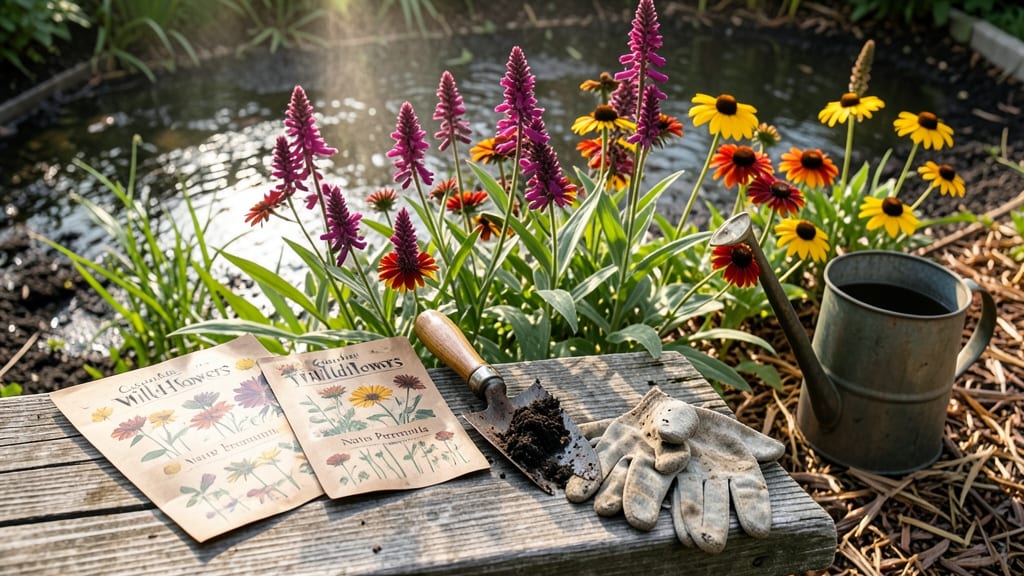
Timing your flower planting in Colorado isn’t just about the calendar—it’s about beating the last frost in your specific zone, whether you’re in Denver’s urban gardens or the Western Slope’s high desert.
The best time to plant flowers here hinges on elevation: lowland gardens (like those in Zone 5-7) can start as early as March, while mountainous areas may wait until May to avoid frost damage.
But here’s the catch—fall planting (August–September) can actually give your 🌸 blooms a head start next spring by leveraging cooler temperatures.
I’ve tested these strategies across Colorado’s microclimates, and the difference between a thriving garden and a sad, stunted one often comes down to one key factor: soil temperature. Too cold, and your seeds won’t sprout; too late, and your flowers won’t establish roots before winter.
Let’s break it down by region—so you can pick the perfect window for your annuals, perennials, and bulbs, plus pro tips to extend your growing season. Ready to turn your Colorado garden into a year-round showstopper?
Colorado flower planting calendar by elevation zone (with frost dates)
Colorado’s three distinct elevation zones create dramatically different planting windows. The Front Range lowlands (4,000–6,000 ft) enjoy longer growing seasons, while high country (8,000+ ft) gardens face shorter frost-free periods. Even mid-elevation (6,000–8,000 ft) areas like Colorado Springs experience 2–3 weeks earlier last frost dates than Denver.
Timing your plantings to these zones ensures vibrant blooms and avoids frost damage.
Use these last frost averages as your guide:
- Lowlands (4,000–6,000 ft): April 15–May 1 (e.g., Denver, Fort Collins)
- Mid-elevation (6,000–8,000 ft): May 1–May 15 (e.g., Colorado Springs, Manitou Springs)
- High country (8,000+ ft): May 15–June 1 (e.g., Summit County, Telluride)
Plan annuals, perennials, and bulbs accordingly—some varieties thrive with early spring starts, while others need fall planting for winter interest.
| Zone | Last Frost | First Frost | Spring Planting Window | Fall Planting Window | Best Annuals | Best Perennials |
|---|---|---|---|---|---|---|
| Lowlands (4,000–6,000 ft) | April 15–May 1 | October 15–November 1 | March 15–May 15 | August 15–September 15 | Marigolds, Zinnias, Petunias | Coneflowers, Black-Eyed Susans, Lavender |
| Mid-Elevation (6,000–8,000 ft) | May 1–May 15 | September 30–October 15 | April 1–May 30 | August 1–September 10 | Cosmos, Snapdragons, Sunflowers | Daylilies, Columbines, Yarrow |
| High Country (8,000+ ft) | May 15–June 1 | September 15–October 1 | May 1–June 15 | July 15–August 15 | Sweet Alyssum, Lobelia, Pansies | Penstemon, Alpine Asters, Hosta |
For lowland gardens (4,000–6,000 ft), start cool-season annuals like pansies and snapdragons in March under row covers to protect from late frosts.
By mid-April, you can safely plant heat-loving annuals such as marigolds and zinnias. Perennials like coneflowers can go in the ground as early as late March, while bulbs (e.g., daffodils and tulips) should be planted in fall for spring blooms.
In mid-elevation zones (6,000–8,000 ft), wait until after May 1 to plant tender annuals like petunias—earlier plantings risk frost damage. Hardy perennials such as columbines and yarrow thrive when planted in early spring (April), while fall-planted bulbs (e.g., alliums) need to be in the ground by mid-September to establish roots before winter.
High country
Best cold-hardy flowers for Colorado gardens (ranked by altitude)
Colorado’s three distinct elevation zones demand different flower choices. Lowland gardens (4,000–6,000 ft) can handle heat-tolerant annuals like zinnia and marigold, while high-country gardens (8,000+ ft) thrive with frost-resistant perennials like columbine and penstemon. Each zone also has ideal planting depths and spacing to maximize success.
For low elevations (4,000–6,000 ft), prioritize drought-resistant blooms that tolerate hot summer days. Examples include black-eyed Susan and Russian sage, which need minimal water once established. Plant these after last frost (typically mid-April) at 1/2" depth for seeds or 12–18" spacing for transplants.
At mid-elevations (6,000–8,000 ft), focus on versatile perennials like coneflower and bearded iris, which handle cooler nights and shorter growing seasons. Plant bulbs like tulips in fall (October) at 6–8" depth, while perennials go in spring (May) with 18–24" spacing.
For high-altitude gardens (8,000+ ft), Alpine flowers like globe thistle and silene shine. These thrive in short seasons and poor soil, needing only 10–12" spacing. Plant early (April–May) to beat late frosts, and use rock mulch to insulate roots.
Pro tip: Succession plant heat-loving annuals like cosmos in July for fall blooms, even in lowlands. At high elevations, protect young plants with frost cloth until soil warms to 45°F. Always check CSU Extension for your local frost dates!