
Plants
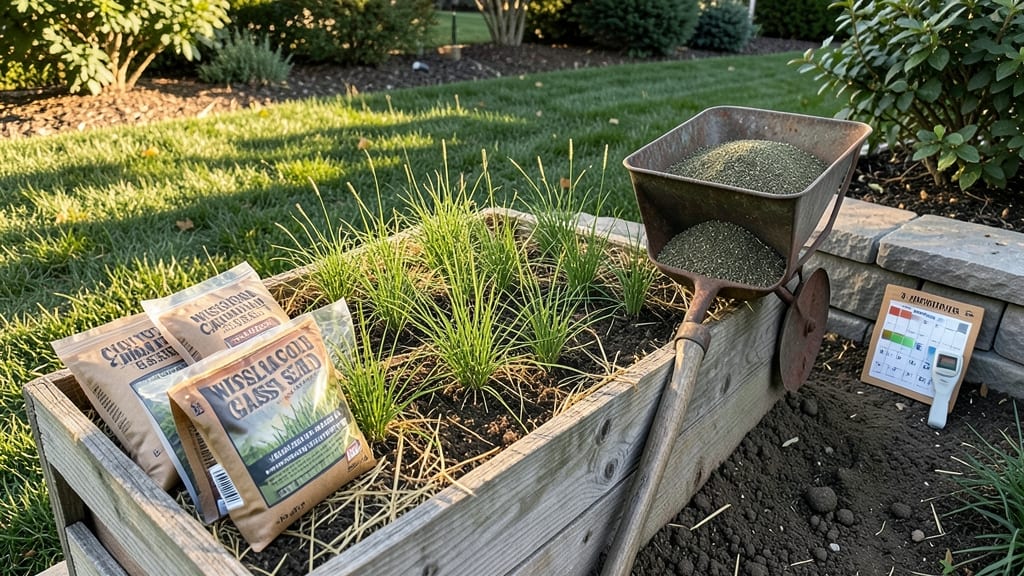
Planting grass in Wisconsin at the wrong time can leave you staring at bare patches all summer—no matter how much you water. The secret to a lush, green lawn starts with understanding your region’s frost-free window and soil temperature, not just the calendar date.
Wisconsin’s USDA zones 4a-6b mean your neighbors’ planting schedule might not work for you. Whether you’re in the chilly north or milder south, timing matters more than you think. I’ll break down the exact windows for spring and fall planting, so you avoid frost damage and maximize seedling success.
Most gardeners assume late spring is the only option, but fall planting often yields better results with fewer weeds. By focusing on soil temps (not just air temps) and regional microclimates, you’ll know precisely when to plant for a thick, healthy lawn that survives Wisconsin’s unpredictable weather.
Ready to stop guessing and start growing? Let’s dive into the science-backed planting schedule that’ll transform your yard from patchy to picture-perfect—no matter where in the state you live.
Wisconsin grass planting timeline by soil temperature (not just frost dates!)
Forget relying on frost dates alone—your grass’s success hinges on soil temperature, not just air temps. Wisconsin’s three distinct regions (Northern, Central, Southern) have wildly different frost-free windows, but the magic number for planting is when soil hits 50–55°F.
Below, I break down the exact planting windows using data from the Wisconsin State Climatology Office, so you can time it perfectly for seed or sod success.
Most gardeners make the mistake of planting too early, only to see seedlings frost-killed or too late, missing the optimal root establishment window. The key is planting 4–6 weeks before the first frost in fall or when soil warms to 50°F in spring.
Here’s how to nail it for your region:
| Region | Soil Temp Threshold | Spring Planting Window | Fall Planting Window | Last Frost Date | First Frost Date |
|---|---|---|---|---|---|
| Northern WI (USDA Zones 4a-4b) | 50–55°F | Late April–Early May | Mid-August–Early September | May 15–20 | October 5–10 |
| Central WI (USDA Zones 4b-5a) | 50–55°F | Early April–Mid-May | Late August–Mid-September | May 5–15 | October 10–15 |
| Southern WI (USDA Zones 5a-6b) | 50–55°F | Mid-April–Early May | Early September–Early October | April 25–May 5 | October 15–20 |
In Northern Wisconsin, where winters are harsher, aim to plant seed by late April or sod by early May—any earlier and frost will kill tender seedlings.
The fall window closes fast here, so get your seed in the ground by early September to ensure roots establish before October’s first frost.
Central Wisconsin offers a slightly longer window, but don’t be fooled—soil temps lag behind air temps. Use a soil thermometer to confirm 50°F+ before planting. For fall planting, late August is ideal, giving seedlings 6–8 weeks to root before winter sets in.
Southern Wisconsin’s milder climate extends your planting window, but don’t push it too late. Planting sod in early May or seed by early September ensures strong establishment.
The longer fall window here (until early October) is great for cool-season grasses like Kentucky Bluegrass, which thrive with 6–8 weeks of growth before frost.
Pro tip: If you’re planting sod, it can handle slightly cooler soil temps (45°F+), but seed needs warmth to germinate. For fastest results, choose late April–early May in spring or late August–early September in fall, regardless of region.
Don’t forget: Soil prep is just as critical as timing. Loosen the top 6 inches of soil, remove weeds, and test your pH (6.0–7.5 ideal) before planting. A light layer of compost boosts nutrient levels for new grass roots.
Timing your grass planting right means the difference between a lush, weed-free lawn and a patchy, struggling mess. Use this guide to lock in the perfect window for your Wisconsin region—and watch your grass thrive! 🌱
Best grass seed types for Wisconsin’s climate & when to plant each
Wisconsin’s cool-season climate favors specific grass types that thrive in USDA zones 4a-6b. Choosing the right variety isn’t just about aesthetics—it’s about survival. Cool-season grasses like Kentucky Bluegrass and Tall Fescue dominate here, while warm-season options like Buffalo Grass can work in drier areas.
Each type has its own ideal planting window to avoid frost damage and maximize root growth.
Most Wisconsin gardeners focus on spring planting, but fall often yields better results with fewer weeds. The key? Planting 4-6 weeks before the first frost—typically late August to early October—when soil temps stay above 50°F.
For spring, aim for early April to mid-May, once the ground thaws but before summer heat sets in.
Kentucky Bluegrass is the classic choice for Wisconsin lawns, thriving in full sun and handling foot traffic well. Plant it in early spring or fall—never in summer heat. For shady areas, mix in Fine Fescue, which tolerates low light and stays green longer. If you’re dealing with drought-prone soil, Tall Fescue is your best bet, outlasting other types during dry spells.
Buffalo Grass is gaining popularity for its zero-maintenance appeal and drought resistance, but it’s a warm-season grass that needs late spring planting (April–June). It turns brown in winter but rebounds quickly in spring.
For urban yards with partial shade, consider a mix of Tall Fescue and Fine Fescue—this combo balances durability and adaptability.
Pro tip: Test your soil’s pH and nutrient levels before planting. Wisconsin’s clay-heavy soils often need compost or lime to improve drainage. Aim for a pH of 6.0–7.0 for cool-season grasses. After planting, keep the soil consistently moist (not soggy) for the first 4–6 weeks to encourage deep root growth.
Remember, the right grass for your yard depends on sun exposure, soil type, and maintenance goals. Fall planting is my top recommendation—cooler temps and frequent rain give seedlings the perfect start.
But if you’re late to the game, early spring works too, as long as you’re ready to water diligently when summer heat arrives.