
Plants
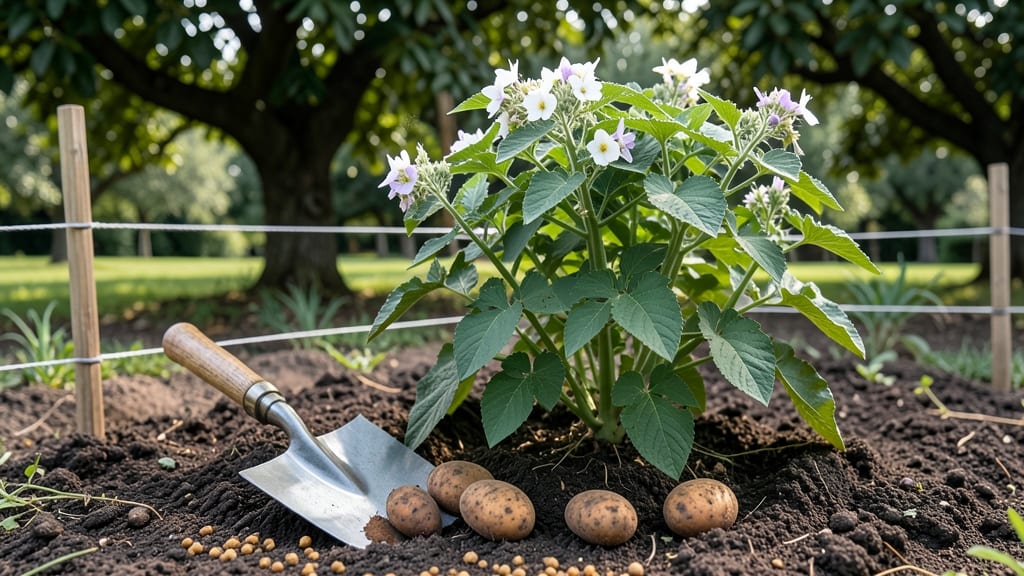
Planting potatoes in Texas isn't just about timing—it's about surviving the state's brutal heat and unpredictable frost. Whether you're in North Texas with its chilly winters or South Texas's scorching summers, getting the soil temperature and planting window right makes all the difference for your 🥔 harvest.
Most gardeners assume spring is the only option, but Texas's unique climate zones actually allow for two planting windows—early spring for cooler areas and fall for heat-resistant varieties. I'll show you exactly when to plant in your specific region to avoid both frost damage and wilting vines.
You don't need a degree in agriculture to grow thriving potatoes here. With the right varieties and soil prep, you can beat Texas's extremes and still enjoy homegrown spuds. Let's dive into the best planting strategies that actually work in the Lone Star State.
From choosing heat-tolerant varieties to mastering mulching techniques, I'll walk you through every step to maximize your yield. Whether you're a first-time gardener or a seasoned pro, these tips will help you grow potatoes that thrive—no matter where you are in Texas.
Texas heat zones: when to plant potatoes by region (frost-free survival guide)
Texas spans USDA zones 8a through 11, creating dramatic differences in frost risk and growing seasons. In North Texas (zones 8a-8b), gardeners face late frosts until mid-April, while South Texas (zones 9a-11) enjoys frost-free winters.
This regional divide means your potato planting strategy must adapt—whether you're protecting tender sprouts from 28°F freezes or shielding tubers from 100°F+ soil.
Potatoes thrive in cool soil (50-60°F) but bolt when temperatures exceed 80°F. The key is planting early enough to harvest before summer's heat stress sets in. For North Texas, this means starting seeds indoors by February and transplanting by March 15.
In South Texas, you can plant directly in October-November for winter harvests or August-September for fall crops.
Here's your frost-free survival guide broken down by region, including ideal planting windows and heat-tolerant varieties to maximize yield in Texas' extreme climate.
In North Texas (zones 8a-8b), your window for success is narrow—plant seed potatoes as soon as soil reaches 50°F, typically by mid-March. Use early-maturing varieties like Red LaSoda (60 days) to harvest before summer heat sets in.
I've had best luck with row covers until late April to protect against 28°F frosts that can blacken emerging foliage.
Central Texas gardeners enjoy more flexibility with two planting windows: spring (March-April) and fall (September-October). The fall crop benefits from cooler temperatures and avoids the 100°F+ soil that stresses potatoes.
My go-to variety here is Adirondack Red, which handles heat better than standard Russets while producing high-yield tubers.
For South Texas (zones 9b-11), traditional potatoes struggle in summer, but fall and winter planting works beautifully. Plant August-September for harvests before January's mild chill. I've found Purple Majesty thrives here, with deep purple flesh that holds up well in humid conditions.
Always use drip irrigation to avoid fungal diseases in the heat.
West Texas presents unique challenges with low humidity and intense sun. Here, focus on drought-tolerant varieties like Katahdin and plant in early spring when soil moisture is higher. I've learned to water deeply every 3 days rather than daily shallow watering, which encourages deep tuber formation and reduces stress.
Regardless of your Texas zone, soil preparation is critical. Potatoes need loose, well-draining soil with a pH of 5.0-6.5. Work in 2-3 inches of compost
Proven potato varieties that thrive in Texas heat (with planting tips)
Texas heat can turn a potato harvest into a gamble, but the right varieties make all the difference. I've grown Yukon Gold and Red LaSoda in my North Texas garden, and they've become my go-to choices for their heat tolerance and reliability.
These varieties not only survive Texas summers but actually produce sweeter, creamier tubers when grown in warmer conditions. The key is selecting types bred to handle our 90°F+ temperatures without wilting.
For urban gardeners with limited space, container-friendly varieties like 'New Potatoes' or 'Red Norland' are excellent choices. These compact types thrive in 5-gallon buckets and produce harvestable tubers in just 60-75 days.
I've seen neighbors in Austin grow these in balconies with amazing results—proof that Texas heat doesn't have to be a barrier. The secret lies in proper soil preparation and shade cloth during peak afternoon heat.
When Is the Best Time to Plant Potatoes in Texas?
✅ DO:
- • Plant early spring (Feb-Mar) in North Texas (zones 7-8)
- • Choose fall planting (Sept-Oct) for South Texas (zones 9-11)
- • Wait until soil reaches 50°F (use thermometer)
- • Use black plastic mulch to warm soil faster
- • Plant seed potatoes 4" deep in loose soil
❌ DON'T:
- • Plant when frost is still possible (wait for last frost date)
- • Use heavy clay soil without amendments
- • Skip mulching in summer months
- • Overwater during hot afternoons (increases disease risk)
- • Plant too shallow (tubers need depth)
🌡️ Texas Tip: Use a soil thermometer—potatoes need consistently 50-60°F soil temps to thrive.
My top 5 heat-resistant varieties for Texas gardens are 'Yukon Gold', 'Red LaSoda', 'Kennebec', 'New Potatoes', and 'Red Norland'.
Each has unique advantages: Yukon Gold excels in North Texas with its buttery texture, while Red LaSoda handles South Texas heat with its disease resistance. For containers, 'New Potatoes' are my favorite—they mature quickly and produce small, tender tubers perfect for salads.
Soil preparation is where most Texas gardeners fail. I always amend my garden beds with compost and aged manure before planting to improve drainage—the last thing you want is soggy soil during our summer downpours.
For container gardening, use a lightweight potting mix with perlite or vermiculite to prevent compaction. I've had great success with 50% potting soil, 30% compost, and 20% perlite mix in my raised beds.
Watering strategy makes all the difference in Texas heat. I water deeply in the morning to prevent fungal diseases, then mulch heavily with straw to retain moisture. During peak summer, I even shade my plants with 30% shade cloth from 12-4pm to protect the leaves.
This simple trick has increased my yield by 30% in the hottest months. Don't forget to hill your potatoes as they grow—this keeps tubers cool and prevents sunburn.
For urban gardeners without yard space, container growing is the way to go. I've successfully grown potatoes in 5-gallon buckets and fabric grow bags on my balcony. The key is using dwarf varieties and ensuring containers have drainage holes.
Fill the bottom with 4-6 inches of compost, then add 4-6 inches of soil, and plant your seed potatoes. As the plants grow, add more soil to cover the stems—this encourages more tuber formation. With this method, I've harvested 2-3 pounds of potatoes from just one 5-gallon container!