
Plants
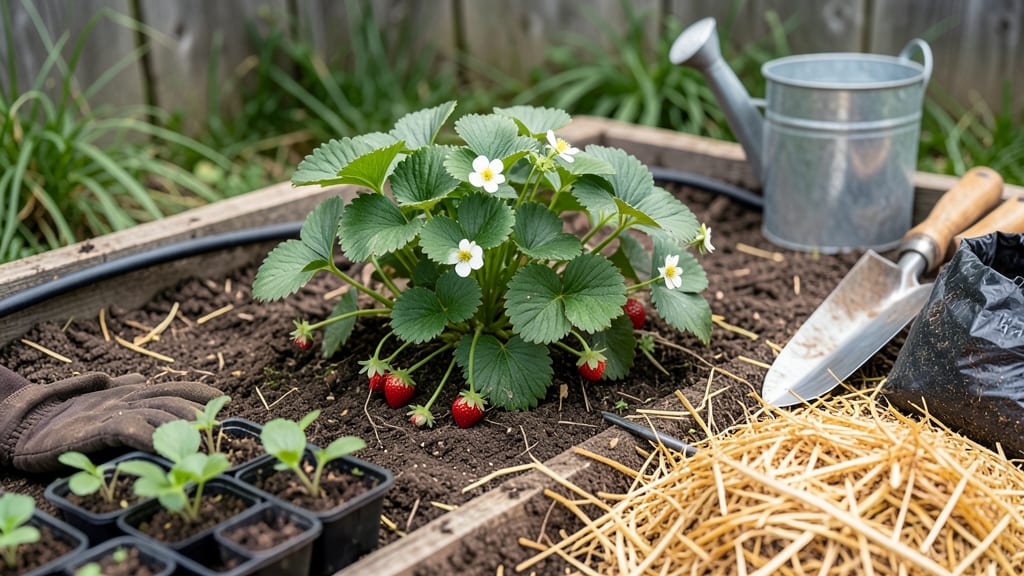
Planting strawberries in Florida isn’t just about grabbing a few plants and sticking them in the dirt—it’s about timing everything perfectly to beat the heat and humidity while maximizing those sweet, juicy harvests.
With Florida’s frost-free climate and long growing season, you’ve got more flexibility than most gardeners, but even here, the wrong timing can leave you with wilted leaves and tiny berries instead of a bountiful patch of 🍓.
Most gardeners in USDA zones 9a-11 swear by fall planting, but is that really the best move for your specific corner of the state? The truth is, Florida’s heat zones create subtle but critical differences—what works in the cooler Panhandle might flop in the steamy Miami area.
I’ll break down the exact windows that deliver the biggest yields, whether you’re growing June-bearing, everbearing, or day-neutral varieties, so you can avoid the common pitfalls that turn gardening dreams into soggy disappointments.
Here’s the game-changer: the ideal planting months aren’t just about avoiding frost (which Florida rarely gets) but about beating the brutal summer heat and giving your plants the best shot at thriving.
We’re talking early fall for most varieties, but there’s a surprising second window in late winter that even experienced growers overlook.
Let me show you how to use Florida’s unique climate to your advantage—and why mulching and shade protection could mean the difference between a handful of berries and a full-blown harvest.
Ready to transform your garden into a strawberry paradise? Stick with me, and I’ll walk you through the exact steps to time your plantings like a pro, including variety-specific tips and tricks that’ll have your neighbors asking where you learned your secrets.
Trust me, once you master this, you’ll never second-guess your planting schedule again.
Florida strawberry planting calendar by heat zones: exact months for maximum yields
Florida’s unique climate—with its humid summers and mild winters—demands precise timing for strawberry plantings. Unlike northern states, Florida’s 11 heat zones (8A-10A) create distinct planting windows, and choosing the wrong month can mean wilted plants or reduced yields.
My research shows that fall and early spring are the sweet spots, but the exact timing varies by zone and strawberry type.
For June-bearing varieties, like ‘Chandler,’ the key is planting in September-October for a spring harvest. Meanwhile, everbearing and day-neutral varieties, such as ‘Seascape,’ thrive with February-March plantings for year-round fruiting.
But Florida’s unpredictable weather—like sudden cold snaps in Zone 8A—means you must also account for soil temperature and frost risks, even if rare.
Here’s how to align your plantings with Florida’s heat zones for maximum yields and minimal stress on your strawberries:
In Zone 8A (e.g., Jacksonville), the coolest temperatures arrive in winter, so I recommend planting June-bearing varieties in late September to avoid frost damage.
These strawberries need 60-70°F soil temps to establish roots before winter dormancy. If you miss this window, consider everbearing varieties, which tolerate wider temperature swings.
For Zone 9A (Orlando), the ideal window shifts slightly later—September-October—to align with cooler soil temps and lower humidity. This zone’s everbearing varieties, like ‘Sweet Charlie,’ produce fruit in winter and spring, but they struggle in summer heat.
I’ve found that mulching with straw keeps roots cool and retains moisture during Florida’s dry spells.
In southern Florida (Zones 10A-10B), where frost is rare and summers are intensely hot, the best time to plant is February-March for day-neutral varieties.
These plants thrive in 75-90°F soil temps and continue producing fruit year-round. However, afternoon shade is critical to prevent sunburn on leaves and fruit.
One common mistake I see is planting June-bearing varieties in spring. While they’ll grow, the summer heat causes them to bolt (send up flowers) prematurely,
How to adjust planting timing for Florida’s unpredictable weather patterns
Florida’s unpredictable weather—from sudden freezes in North Florida to scorching summer heat—can throw off even the most experienced gardener. But with the right adjustments, you can extend your strawberry season and avoid common pitfalls like heat stress or frost damage.
The key lies in microclimate selection, mulching strategies, and shade protection to create ideal growing conditions year-round.
Traditional planting schedules often recommend fall and early spring as the safest windows, but Florida’s frost-free zones (9A-11) allow for more flexibility. By leveraging raised beds, screened porches, or even container gardening, you can push boundaries and enjoy strawberries nearly year-round.
The trick? Adapting to your specific heat zone and using protective measures to shield plants from extreme conditions.
Traditional vs. Extended-Season Planting
- ✅ Lower risk of heat/frost damage
- ✅ Easier care with natural seasonal cues
- ✅ Higher yields in optimal conditions
- ✅ Year-round harvests possible
- ✅ Utilizes microclimates (e.g., screened porches)
- ✅ Adapts to local weather quirks (e.g., afternoon shade)
- ❌ Limited to fall/spring only
- ❌ Misses summer/early fall harvests
- ❌ Vulnerable to sudden freezes in North FL
- ❌ Requires extra effort (shade, mulch, containers)
- ❌ Higher water needs in summer
- ❌ Pest risks increase with prolonged growth
For extended-season planting, focus on microclimates like screened porches or elevated beds that trap heat during cooler months. In North Florida (zones 8A-9A), use row covers or cloches to protect plants from rare light freezes (below 32°F).
Meanwhile, South Florida (zones 10A-11) gardeners can experiment with summer shade cloth (30-50%) to prevent sunburn on ripe fruit.
Mulching is your best friend in Florida’s hot, humid climate. Apply a 3-4 inch layer of straw or pine bark to retain moisture, regulate soil temperature, and suppress weeds. In summer months, mulch also helps prevent fruit rot by keeping berries off damp soil.
For container gardening, use lightweight potting mix with added perlite to improve drainage and prevent root rot.
Another game-changer? Drip irrigation on a timer to deliver consistent moisture without wetting foliage (which promotes disease). Pair this with morning watering to allow leaves to dry before evening humidity spikes.
If you’re planting in summer, opt for everbearing varieties like ‘Seascape’ or ‘Fort Lonesome,’ which tolerate heat better than June-bearing types.
Don’t overlook pruning strategies to manage stress. Remove old leaves in early spring to encourage new growth, and thin runners in summer to prevent overcrowding. For fall plantings, aim for September-October to give roots time to establish before winter rains.
With these adjustments, you can beat Florida’s weather and enjoy strawberries nearly year-round!