
Plants
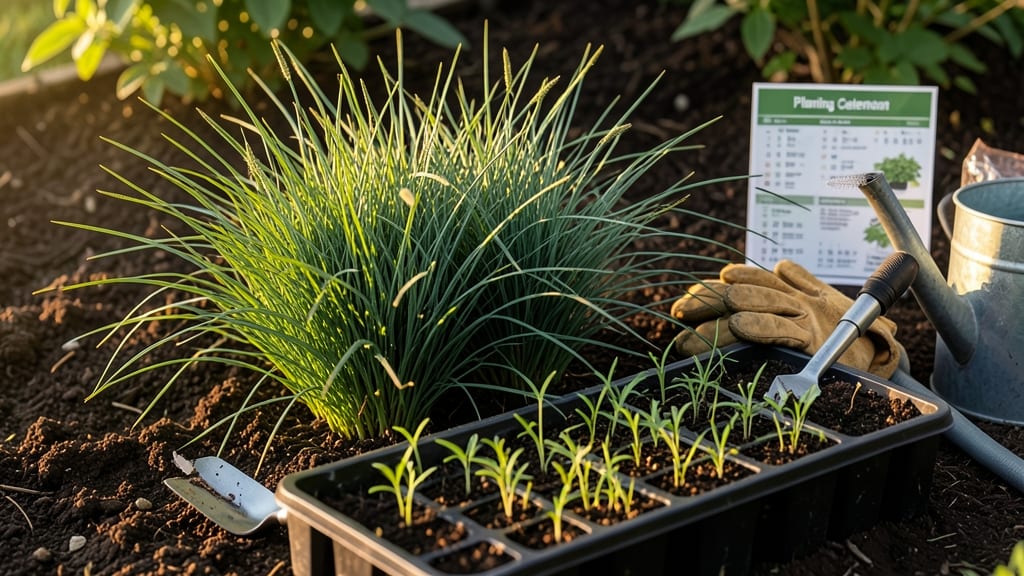
Planting fescue in South Carolina at the wrong time can mean weak roots and patchy lawns—so timing is everything. The ideal window is early fall (August-September), when soil stays warm but humidity drops, giving your 🌱 fescue the perfect start before winter.
Why fall? Because cooler temps reduce stress on young grass, while still allowing 6-8 weeks of growth before frost. Skip this window, and you risk heat shock in summer or frozen seeds in late fall.
For zones 7b-8a, aim to plant by mid-October—after that, roots won’t establish before winter sets in.
Not sure which fescue to choose? Tall fescue handles SC’s heat better, while fine fescue blends thrive in shadier spots. Both need well-drained soil—test yours now to avoid fungal issues.
I’ll walk you through the exact steps to prep your yard, pick the right seed, and keep your grass lush all season.
Ready to skip the guesswork? Let’s dive into the science-backed schedule that’ll have your lawn looking its best by spring—no matter what South Carolina throws your way.
Best fall planting window for fescue in South Carolina’s climate zones
South Carolina’s USDA zones 7a-8b create a unique challenge for fescue planting—too early, and summer heat stresses seedlings; too late, and roots won’t anchor before winter. The ideal fall window balances these extremes, typically spanning mid-August through mid-October, but varies by zone and microclimate.
For Zone 7a (cooler uplands), aim for late August to early September, while Zone 8b (coastal areas) can extend until mid-October.
Your planting success hinges on soil temperature, not just calendar dates. Fescue seeds germinate best when soil temps hover between 60°F and 75°F.
In South Carolina, this usually aligns with late summer’s cooling trend, but always check with a soil thermometer—especially in Zone 8’s hotter inland pockets where late-September heat can linger.
For example, Columbia’s Zone 8a often hits ideal temps by early September, while Charleston’s Zone 8b may wait until mid-September.
The summary table below breaks down the optimal planting windows by zone, including adjustments for early/late frosts and heat-tolerant varieties suited to South Carolina’s climate. Use this as your planting deadline guide—missing these windows risks weak establishment or winter kill.
For Zone 7a gardeners, the August 25-September 15 window is critical—planting after September 15 risks early frost damage before roots establish. In contrast, Zone 8b’s extended window (until October 15) lets you delay planting to avoid hurricane season’s late-summer delays.
Always monitor 7-day forecasts for tropical systems, which can disrupt planting schedules, especially in coastal areas.
Adjust your timeline if you’re in a microclimate, like a north-facing slope (cooler, plant earlier) or a south-facing yard (warmer, plant later).
For example, Greenville’s Zone 7a might see 60°F soil by August 20, while a sun-baked yard in Zone 7b may need to wait until September 5. Use a soil thermometer for 3 consecutive days to confirm readiness—this small step prevents seedling stress.
Heat-tolerant varieties like 'Barlexas' tall fescue thrive in Zone 8’s hotter inland pockets, while 'Creeping Red' fine fescue handles coastal humidity better.
If you’re in Zone 8a or 8b and planting near October 15, prioritize fine fescue blends—they establish faster in warmer soils and tolerate mild winter temperatures better than tall fescue.
Don’t let early frosts catch you off guard. In Zone 7a
Pre-planting checklist: soil prep and seed selection for South Carolina’s humidity
South Carolina’s humid subtropical climate demands extra care when prepping soil for fescue grass. The key to success lies in soil pH balance and proper drainage—both critical for preventing fungal diseases like brown patch, which thrive in the state’s damp conditions.
Start by testing your soil’s moisture retention and acidity levels at least 4-6 weeks before planting.
For optimal fescue growth, aim for a soil pH between 6.0 and 7.0. If your soil tests higher (alkaline), amend it with elemental sulfur or peat moss.
If it’s too acidic (below 6.0), incorporate lime to raise the pH. My go-to tool for testing is a digital soil pH meter—it’s faster than lab tests and gives real-time results for adjustments.
🌱
Planting fescue in overly wet soil or during high-humidity periods (like late summer) can trigger fungal infections. Avoid these mistakes:
- Don’t plant when soil temps exceed 85°F—wait for cooler 70-75°F ranges in August-September.
- Don’t skip soil drainage tests—compacted clay soils (common in SC) can strangle roots.
- Do choose disease-resistant varieties like ‘Titan’ tall fescue or ‘Crenshaw’ fine fescue blends.
🌧️ Pro Tip: Test soil moisture by grabbing a handful—if it forms a tight ball, drainage needs improvement.
When selecting fescue seed blends, prioritize tall fescue for durability and fine fescue for shade tolerance. For South Carolina’s USDA Zones 7b-8a, I recommend a 50/50 mix of both.
Tall fescue handles the state’s hot summers better, while fine fescue fills in shady spots under trees. Look for certified disease-resistant seeds—they’re worth the extra cost in humid climates.
Before planting, loosen the top 4-6 inches of soil with a broadfork or tiller to improve aeration. Remove any thatch layers thicker than ½ inch, as they trap moisture and invite fungi. If your lawn has bare patches, overseed with a slit-seeder for even distribution.
My secret weapon? A light layer of compost (¼ inch) mixed into the topsoil—it boosts organic matter without overwhelming the seed.
Finally, water deeply 2-3 days before planting to encourage seed germination. Use a moisture meter to confirm the soil is evenly damp (not soggy) at a depth of 2 inches.
For large lawns, a soaker hose set on low for 30 minutes daily mimics natural rainfall without disturbing the soil surface. Timing is everything—plant when afternoon humidity drops below 60% to reduce fungal spores.
💧