
Trees
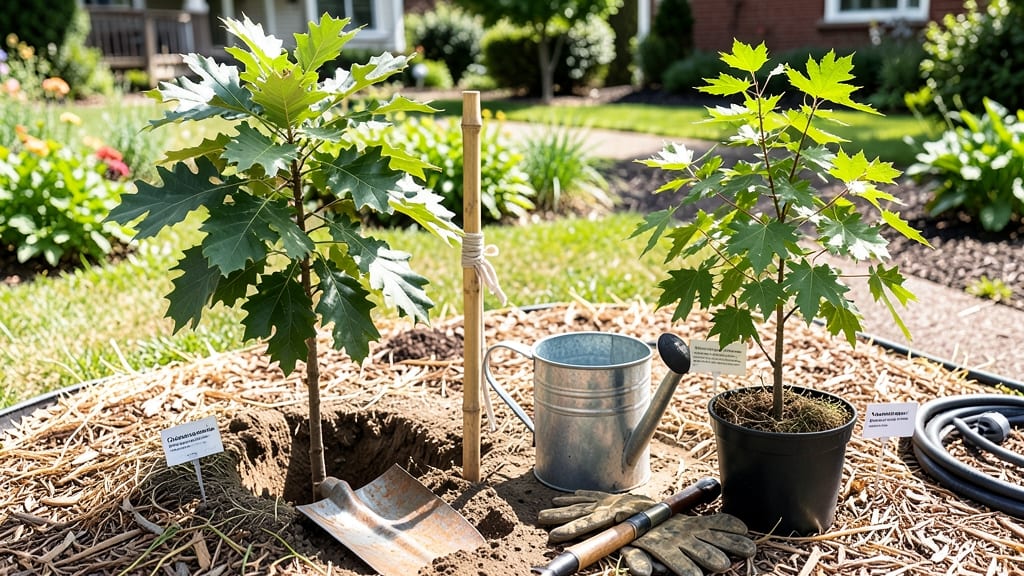
Planting a tree in Illinois at the wrong time can mean wasted effort—or worse, a dead sapling by next winter. But timing it right guarantees stronger roots, faster growth, and a thriving 🌳 for years to come.
Whether you're a seasoned gardener or just starting, understanding the best planting windows for your zone is the key to success.
In Illinois' USDA Zones 5-6, the ideal planting seasons are early spring and fall, when soil temperatures are cool but not frozen. This gives young roots time to establish before extreme heat or cold sets in.
I'll break down exactly when to plant based on your specific location and tree type, so you can avoid common mistakes that lead to failure.
You might think spring is the only option, but fall planting actually gives trees a head start. By planting in September or October, you allow roots to grow before winter dormancy sets in.
I'll walk you through the preparation steps for both seasons, including soil testing and root care, to ensure your new tree thrives from day one.
Don't let uncertainty hold you back—this guide will give you the confidence to plant at the perfect time. With the right timing and care, your tree will grow strong and healthy, providing shade and beauty for decades. Let's get started on making your yard the envy of the neighborhood!
Best planting times in Illinois by hardiness Zone (soil temp & frost-free rules)
Illinois spans USDA Hardiness Zones 5-6, where soil temperature and frost-free dates dictate the best windows for planting trees. In Zone 5 (northern IL), average last frost arrives by April 15, while Zone 6 (southern IL) sees frost-free conditions by March 20.
These dates create a 6-8 week window for planting before summer heat stress sets in.
For deciduous trees like oaks or maples, early spring (March-April) or fall (September-October) are ideal because cool soil temperatures reduce transplant shock. Evergreens, such as pines or spruces, prefer fall planting (September-November) to establish roots before winter dormancy.
The key? Plant when soil temps stay above 40°F (4°C) but below 85°F (29°C).
In Zone 5, where winters are colder, focus on fall planting (September-October) to give roots time to harden before freeze. For example, a red oak planted in early October will establish roots before winter, unlike one planted in May, which may struggle with summer drought.
Meanwhile, Zone 6 gardeners have a slightly longer window, allowing for late fall plantings (November) if soil remains workable.
Soil temperature is just as critical as frost dates. Use a soil thermometer to confirm temps are above 40°F (4°C) before planting. In Illinois, this typically aligns with mid-March for Zone 6 and early April for Zone 5.
For container-grown trees, you can plant slightly earlier (February-March) since their root systems are less sensitive to cold.
Evergreens like blue spruce or eastern red cedar demand extra attention. Plant them in fall (September-October) to avoid winter desiccation. These trees lose moisture through their needles even when dormant, so fall planting ensures they’re rooted before winter stress begins.
Deciduous trees, however, can handle spring planting (March-April) because their leaves haven’t yet demanded water.
Avoid planting in late spring (May-June) unless you’re in Zone 6 with well-draining soil. The heat and drought of Illinois summers can shock young roots, leading to poor establishment. If you must plant in summer, choose shade-tolerant species like serviceberry or hackberry and provide daily watering for the first month.
For bare-root trees, the window is narrower: November-March while the tree is dormant. These trees rely on cool, moist soil to regrow roots quickly. If you miss this window, opt for container-grown trees, which can be planted anytime the ground isn’t frozen.
Just amend the planting hole with compost to improve drainage and fertility.
Pro tip: Check Illinois’ frost-free maps from the Midwestern Regional Climate Center for your exact location. Northern Illinois (e.g., Chicago area) may face late frosts in May, while southern Illinois (e.g., St. Louis) typically sees frost-free conditions by March 15.
Adjust your planting timeline accordingly to avoid late-season frosts damaging tender new growth.
Remember, tree size matters. Smaller trees (under 6 feet) establish faster and can handle fall planting more easily.
Larger trees (over 10 feet) need extra care, including staking and deep watering, so plant them in early spring to give them the full growing season to recover.
Timing isn’t just about the calendar—it’s about soil conditions. Test your soil’s moisture and pH before planting. Illinois soils often need amendments like compost or sulfur to reach the ideal pH of 6.0-7.0 for most trees.
A well-prepared planting site ensures your tree thrives regardless of when you plant it.
How to Prepare for spring vs. fall planting in Illinois (step-by-step guide)
Spring and fall are the two best times to plant trees in Illinois, but each season requires different preparation. In spring, focus on soil warming and early root growth, while fall planting lets roots establish before winter dormancy.
I'll walk you through the exact steps for both seasons, tailored to Illinois' USDA Zones 5-6 climate.
For spring planting, start in March or early April when soil temperatures reach 40°F or higher. In fall, aim for September or October, giving roots time to grow before the first frost (usually mid-October).
Both seasons avoid the extreme heat of summer and freezing winter that stress young trees.
Step-by-Step Planting Preparation
- 🌱 Test your soil (pH 6.0-7.0 ideal for most trees). Use a soil test kit from your local University of Illinois Extension office.
- 🪴 Choose the right tree for your zone. Deciduous trees (like oak or maple) plant well in fall, while evergreens (like pine) prefer spring planting.
- ✂️ Prepare the planting hole. Dig it twice as wide as the root ball but no deeper. Amend with compost or peat moss if soil is clay-heavy.
- 💧 Water deeply before planting. For spring, water weekly for the first year. In fall, water bi-weekly until frost.
- 🌿 Mulch properly. Use 3-4 inches of mulch (wood chips or straw) around the base, keeping it 6 inches away from the trunk.
- 🌡️ Monitor weather. Avoid planting if a hard freeze is forecasted within 2 weeks. In spring, wait until nighttime temps stay above 40°F.
One of the biggest mistakes is planting too late in spring or too early in fall. If you miss the window, container-grown trees can be planted in late spring or early summer, but they'll need extra watering to compensate for heat stress.
After planting, stake young trees only if necessary (like in windy areas). Use soft ties to avoid girdling the trunk. In fall, apply a 2-3 inch layer of mulch to insulate roots from freezing temperatures. For spring plantings, focus on consistent watering as new growth begins.
Remember, fall planting often yields healthier trees because roots grow steadily through cool weather without competing with summer heat. But if you're planting in spring, act fast—once temps rise, root establishment slows.
With these steps, your tree will have the best chance to thrive in Illinois' variable climate. 🌳