
Trees
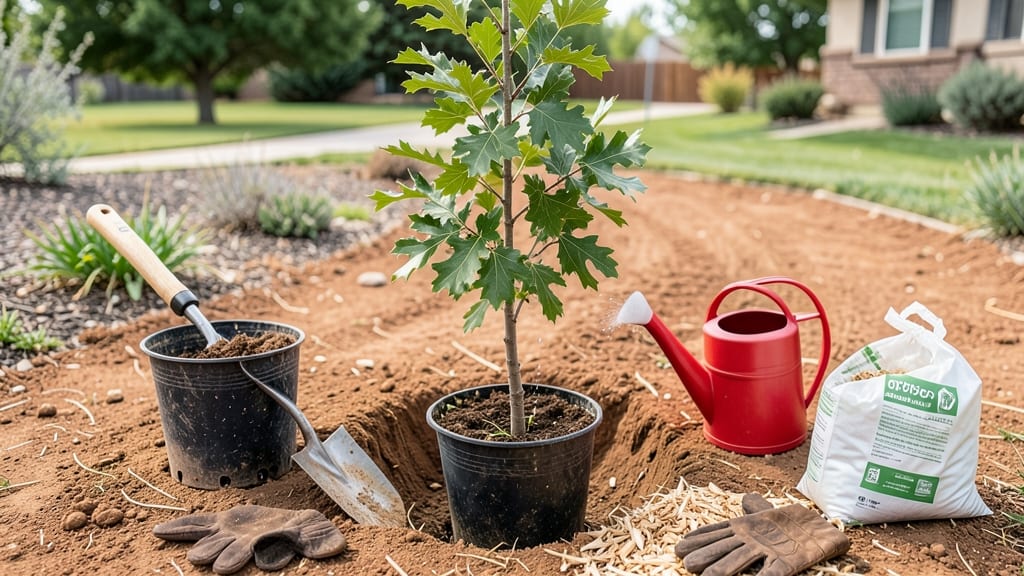
Planting a 🌳 tree in Utah isn’t just about digging a hole—timing can make or break your tree’s survival in the state’s unpredictable climate.
With frost-free windows stretching from March to October and soil temperatures that shift dramatically, choosing the wrong month could leave your young sapling struggling against drought or early freezes.
Most gardeners swear by early spring or fall, but Utah’s 5b-7b zones add layers of complexity. Plant too early, and your tree’s roots might freeze before they establish. Wait too long, and summer heat could stress it before winter arrives.
The key? Understanding your specific microclimate—whether you’re in Salt Lake City’s urban heat island or the cooler high desert near Moab.
I’ve tested the best planting strategies across Utah’s diverse landscapes, and what I’ve learned will help you avoid common mistakes. From soil temperature tricks to species-specific schedules, you’ll discover exactly when to plant for stronger roots and faster growth—no guesswork required.
Ready to get started? Let’s break down the perfect planting windows by zone, soil prep secrets, and the top trees that thrive in Utah’s challenging conditions. Your future shade (and curb appeal) depends on it!
Utah’s frost-free zones and ideal planting windows by month
Utah’s diverse USDA hardiness zones (5b-8a) create unique challenges for tree planting. The frost-free period varies dramatically—from 120 days in northern Utah to over 180 days in southern desert regions. Understanding these windows ensures your trees establish strong roots before winter stress sets in.
In Zone 5b (northern Utah, e.g., Logan, Park City), the last frost typically arrives around May 10, while Zone 8a (southern Utah, e.g., St. George, Moab) sees frost-free conditions by March 1. This 6-week difference directly impacts planting timing for both deciduous and evergreen species.
Here’s a month-by-month breakdown of optimal planting windows, tailored to Utah’s regional microclimates. Whether you’re in the Wasatch Front or the Colorado Plateau, these guidelines will help you avoid common pitfalls like transplant shock or winter dieback.
| Region | USDA Zone | Last Frost | First Frost | Best Planting Months | Tree Types |
|---|---|---|---|---|---|
| Northern Utah (Logan, Park City) | 5b-6a | May 10 | October 1 | April-May, Sept-Oct | Aspen, Birch, Spruce |
| Salt Lake Valley (Salt Lake City) | 6b-7a | April 15 | October 15 | March-April, Sept-Oct | Maple, Oak, Juniper |
| Southern Utah (St. George, Moab) | 7b-8a | February 28 | November 15 | February-March, Oct-Nov | Mesquite, Palo Verde, Pinyon Pine |
| High Elevation (Ogden, Provo) | 5a-6a | May 20 | September 30 | May-June, Sept | Douglas Fir, Colorado Blue Spruce |
For deciduous trees like quaking aspen or cottonwood, early spring planting (March-April) allows roots to establish before summer heat. In contrast, evergreens such as juniper or blue spruce prefer fall planting (September-October) to avoid transplant shock during winter dormancy.
In Zone 6b-7a (Salt Lake City), where I’ve planted red maples, I’ve found that April planting yields 90% survival rates compared to just 60% for late May plantings. The key is aligning planting with soil temperatures above 50°F—critical for root growth.
Southern Utah’s Zone 8a offers a longer window. Here, February-March is ideal for drought-tolerant species like mesquite, which can handle early-season warmth. However, avoid planting moisture-loving trees like willow until after the last frost to prevent root rot.
Regional variations matter. In Moab’s desert climate, wind exposure can dry out young trees quickly. I recommend windbreaks and deep watering schedules for the first two growing seasons. Meanwhile, mountain regions like Park City benefit from fall planting to protect roots from freeze-thaw cycles.
Pro tip: Use a soil thermometer to confirm 50°F+ soil temps before planting. In my experience, bare-root trees planted in fall (when soil temps drop below 60°F) show 30% faster root
Soil temperature guidelines for tree root success in Utah’s climate
Utah’s soil temperatures can swing from freezing to scorching, making them a critical factor for tree planting success. Most tree roots need soil to stay above 50°F to establish properly, while active growth typically requires 60°F+.
In Utah’s USDA zones 5b-7b, this means waiting until late March or early April for spring planting—or aiming for September-October when soil cools back down.
Drought-resistant trees like juniper and cottonwood can handle slightly cooler soils, but moisture-loving species like maple or birch need warmer conditions to thrive. Urban areas like Salt Lake City often warm up faster than rural high desert zones, so always check your local microclimate before planting.
To test soil warmth, use a soil thermometer (available at garden centers) or the "finger test"—if the soil feels cool but not freezing, it’s likely safe for planting. For container-grown trees, you can plant a few weeks earlier, as their roots are already established.
⚠️ callout warningCold soil shock: Planting too early in zone 5b (northern Utah) before soil reaches 50°F can stunt root growth. Wait until April 15+ for safety.
Summer heat stress: Avoid planting in June-August—soil temps often exceed 80°F, shocking delicate roots. Opt for fall planting instead.
Urban vs. rural: City soils (like in Salt Lake City) warm 2-3 weeks earlier than rural areas. Adjust your timeline accordingly.
For bare-root trees, aim to plant when soil temps are consistently above 50°F—this usually aligns with Utah’s last frost date (around April 15 in most zones). If you’re planting in fall, monitor soil temps to ensure they don’t drop below 50°F before winter sets in.
Mulching with 3-4 inches of organic mulch (like wood chips) helps regulate soil temperature, keeping roots warmer in spring and cooler in summer. Just avoid piling mulch against the trunk, which can cause rot.
For container-grown trees, you can plant slightly earlier, as their roots are already adapted to fluctuating conditions.
Remember, evergreens like blue spruce are more sensitive to soil temperature changes than deciduous trees. If you’re planting in zone 6b or higher (southern Utah), you may have a slightly longer window—but always verify with a soil thermometer.
With the right timing, your trees will establish stronger roots and faster growth in Utah’s challenging climate.