
Plants
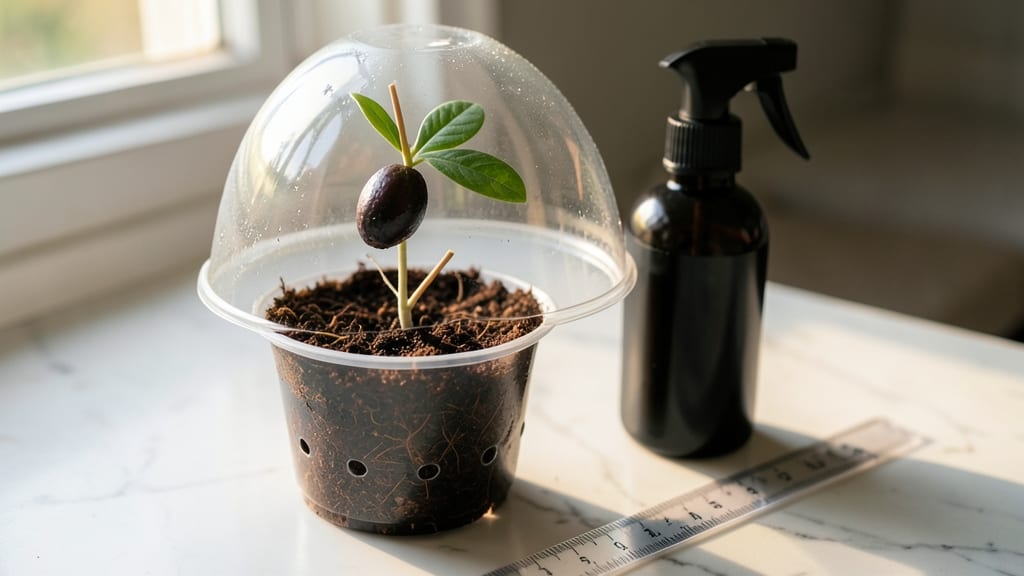
Planting an avocado seed in soil at the wrong time can mean the difference between a thriving 🥑 tree and a sad, rotting seedling.
The key to success lies in understanding your climate zone and seasonal conditions, because timing isn't just about when you plant—it's about when your seed is truly ready to grow.
Most gardeners in Zone 6a and similar cooler regions should wait until March or April when soil temperatures consistently reach at least 60°F. This timing gives your seed the best chance to germinate without the risk of frost damage, which can be devastating for young avocado seedlings.
But what if you're in a warmer zone? Tropical climates actually have a broader window, but even there, planting too early or too late can slow germination. I'll show you exactly how to match your planting schedule to your local conditions, whether you're starting indoors or outdoors.
Ready to avoid common mistakes and give your avocado seed the perfect start? Let's break down the ideal planting timeline and what to watch for before you even stick that seed in the dirt.
Optimal planting times for avocado seeds by USDA climate zones
Timing your avocado seed planting is critical—avocados thrive in warm climates but struggle with frost or cold soil. In USDA Zones 9-11, you can plant year-round, while Zones 7-8 require careful spring timing.
The key is soil temperature: aim for 60°F+ to prevent rot and ensure strong root development.
For tropical/subtropical zones (9-11), planting during spring (March-May) or fall (September-November) avoids extreme heat stress. In cooler zones (7-8), wait until after the last frost (typically April-May) and use heat mats if starting indoors. Always plant seeds 1 inch deep in well-draining soil to prevent waterlogging.
| USDA Zone | Best Planting Months | Soil Temp Threshold (°F) | Seasonal Risks | Key Tips |
|---|---|---|---|---|
| 9-11 (Tropical) | Mar-May, Sep-Nov | 60°F+ (year-round) | Heat stress in summer | Use shade cloth in peak sun |
| 8 (Hot Summers) | Apr-May, Sep-Oct | 65°F+ (minimum) | Late frost damage | Start indoors with heat mat |
| 7 (Cooler) | May-Jun (only) | 70°F+ (critical) | Frost kills seedlings | Use grow lights if indoors |
In Zones 9-11, you can plant avocado seeds year-round, but spring and fall are ideal. The soil temperature should stay above 60°F to prevent rot. Use mulch to retain warmth in cooler months and shade cloth during summer to protect young seedlings from heat stress.
In Zone 8, focus on April-May and September-October to avoid late frosts.
For Zones 7 and below, only plant in late spring (May-June) when soil temperatures consistently exceed 70°F. If you live in these areas, start seeds indoors in March using a heat mat to simulate tropical conditions.
Transplant outdoors only after the last frost date and harden off seedlings gradually to prevent shock.
Always monitor your seedling's progress—roots should reach 2-3 inches before transplanting. In hot climates, water deeply every 2-3 days to encourage root growth, while cooler zones may require daily watering during dry spells. Use a moisture meter to check soil conditions if unsure.
One common mistake is planting too early in cooler zones, which leads to rotten seeds or stunted growth. Conversely, waiting too long in tropical zones can cause heat stress or pests to take over.
Pay attention to local weather patterns—if your area has unpredictable frosts, err on the side of planting later rather than risking damage.
If you're unsure about your last frost date, check the USDA Plant Hardiness Zone Map and local agricultural extensions. For example, Los Angeles (Zone 10) can plant anytime, while Atlanta (Zone 8) should wait until after May 1st.
Always acclimate seedlings to outdoor conditions over 7-10 days before final planting to reduce transplant shock.
Pro tip: Mark your planting dates on a calendar and track seedling growth weekly. In tropical zones, expect germination in 4-8 weeks, while cooler zones may take 8-12 weeks due to slower soil warming.
Patience is key—avocado trees grow slowly but reward you with lifespan of 50+ years if cared for properly.
Finally, remember that indoor growing extends your planting window in cooler climates. Use a south-facing window or grow lights to supplement sunlight until seedlings are strong enough for outdoor transplanting. With the right timing, your avocado seed could become a fruit-bearing tree in just 3-5 years!
Signs your avocado seed is ready for soil (not too early, not too late)
Knowing when to plant your avocado seed in soil is crucial—too soon, and it may rot; too late, and germination slows dramatically. The best time comes when your seed shows clear signs of readiness, like strong root development and a sturdy stem.
These visual cues tell you it's time to transition from water to soil.
First, check for roots between 2-3 inches long. Healthy roots should be white or pale yellow and firm to the touch. If they're sparse or mushy, your seed isn't ready yet.
Next, look for a stem that's 1-2 inches tall—this indicates the seedling has enough energy to support itself in soil.
⚠️ callout warning
Many gardeners drown their avocado seeds by keeping them in water too long. Once roots hit 2-3 inches, plant immediately—delaying risks root rot. Use a well-draining soil mix (50% potting soil, 50% perlite) to prevent soggy conditions.
💧 Pro Tip: Water only when the top inch of soil feels dry after transplanting.
Another key sign is leaf development. Your seedling should have at least 2-3 small, dark green leaves—this means it's photosynthesizing and ready for sunlight. Without leaves, it lacks the energy to thrive in soil. Also, avoid transplanting if the stem is still soft or bending easily.
Timing matters even after these signs appear. In cooler zones (6a-8b), wait until soil temperatures exceed 60°F—even if your seed is ready. Use a soil thermometer to check.
In warmer zones (9a+), you can plant year-round, but spring (March-April) still offers the best balance of warmth and moisture.
Finally, observe the seedling's overall vigor. Healthy seedlings stand upright, not leaning or wilting. If it looks weak, give it 1-2 more weeks in water to strengthen.
Once all these signs align, your avocado seed is primed for its first taste of soil—just plant it 1 inch deep in a pot with drainage holes.
Remember, patience is key. Rushing the process can stunt growth or even kill your seedling. By waiting for these 3 critical signs—roots, stem, and leaves—you'll give your avocado tree the strongest possible start in life.