
Plants
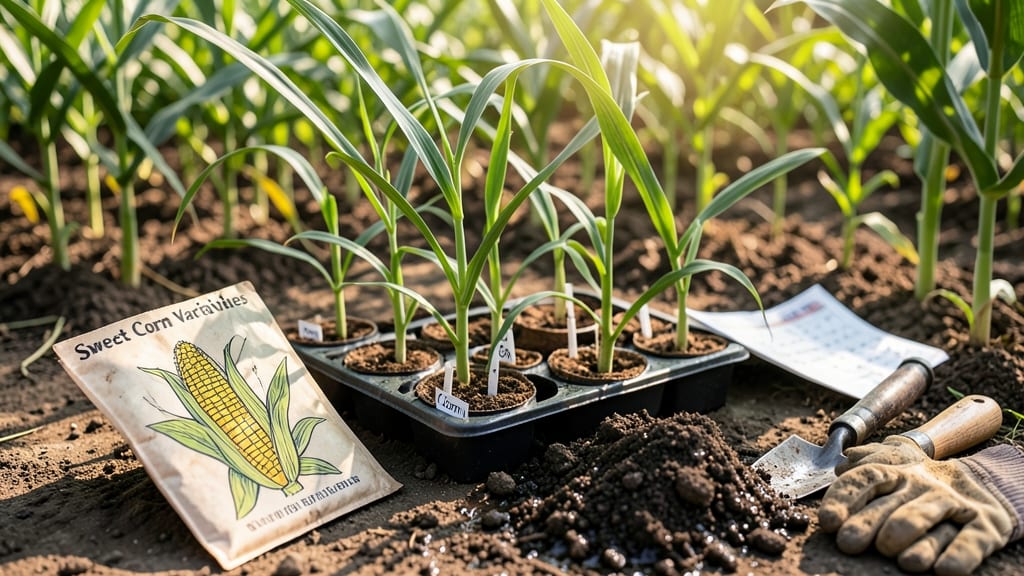
Timing your corn planting in Western Washington could make or break your harvest—get it wrong, and you're staring at stunted stalks or late-season frost damage. The key to success here isn't just following a calendar but understanding how coastal chill and inland warmth create two completely different planting worlds.
If you've ever wondered why your neighbor's corn thrives while yours struggles, it's likely because they're planting at the perfect moment for their microclimate.
Whether you're in Seattle's 8a-9a coastal zone or Yakima's warmer inland areas, the right window means the difference between 6-foot stalks and 12-foot giants ready for harvest by October.
I'll break down exactly when to put those seeds in the ground—from soil temperature tricks to avoiding late frosts—so you can grow corn that's as reliable as it is delicious. Let's dive into the secrets that turn guesswork into guaranteed yields.
You'll discover which varieties handle Western Washington's cool springs best, how to stretch your growing season, and even how companion planting can boost your harvest. Ready to grow corn that actually thrives in our tricky climate?
Western Washington corn planting timeline: coastal vs inland differences
Western Washington’s microclimates create dramatic differences in corn planting success. Coastal areas like Seattle and Bellingham enjoy milder temperatures and longer growing seasons, while inland regions such as Yakima and Wenatchee experience hotter summers and earlier frosts.
These variations mean your planting window could shift by 2-4 weeks depending on location.
For both regions, timing is critical because corn thrives in warm soil (at least 60°F) and needs 120-150 frost-free days to mature. Coastal areas have cooler soils that warm more slowly, while inland soils heat up faster but may face earlier autumn frosts.
Let’s break down the ideal planting windows for each zone.
Key factors to consider include:
- Last frost dates: Coastal areas average April 15, while inland zones can see frost as late as May 1
- Soil temperature: Corn seeds won’t germinate below 50°F, but optimal growth starts at 60°F+
- Variety selection: Sweet corn needs 75-90 days to harvest, while field corn requires 100+ days
| Factor | Coastal (Seattle/Bellingham) | Inland (Yakima/Wenatchee) |
|---|---|---|
| Last Frost Date | April 15 (±5 days) | May 1 (±7 days) |
| Ideal Planting Window | Mid-April to late May | Late April to early June |
| Soil Temp for Planting | 60°F+ (warms slowly) | 60°F+ (warms faster) |
| Best Varieties (Sweet Corn) | 'Ambrosia', 'Silver Queen' (75-85 days) | 'Peaches and Cream', 'Golden Bantam' (85-95 days) |
| First Harvest Window | Late July to mid-September | Early August to early October |
| Key Risk | Slow soil warming | Early autumn frosts |
If you’re planting in coastal Western Washington, start seeds indoors 4-6 weeks before your target outdoor date (early April) to give them a head start. Coastal gardeners should also consider black plastic mulch to warm the soil faster—this can shave 1-2 weeks off your growing season.
For inland areas, focus on early-maturing varieties (under 90 days) to avoid frost damage.
Another critical difference is heat zone exposure. Inland areas like Yakima often reach 90°F+ by July, which can stress corn plants if they don’t have adequate water and shade cloth.
Coastal regions rarely exceed 85°F, making them ideal for sweet corn varieties that prefer cooler conditions. For inland gardeners, field corn varieties like 'Mangels' (110 days) perform better in hotter climates.
Pro tip: Use a soil thermometer to confirm readiness—corn seeds won’t germinate reliably below 50°F, even if frost risk has passed. In coastal areas, I’ve seen 3-4 week delays in planting because the soil stays cold longer.
Inland soils, meanwhile, can be ready for planting by late April in sheltered microclimates.
For succession planting, coastal gardeners can often squeeze in 2-3 plantings (April, May, and early June), while inland gardeners may only manage 1-2 plantings due to shorter seasons.
If you’re in a transitional zone (like Everett or Olympia), err on the side of earlier planting—these areas experience unpredictable late frosts that can devastate young corn plants.
Remember, corn is wind-pollinated, so plant blocks (not rows) of the same variety to ensure good ear development. In coastal areas, wind patterns can disperse pollen more efficiently, while inland gardeners may need to hand-pollinate if winds are calm during tasseling. This is especially true for
How to adjust corn planting for Western Washington’s unpredictable weather
Western Washington’s coastal fog and inland heat waves create a corn-growing puzzle. Cool soils and late frosts can stall germination, while unpredictable summer rains might rot ears before harvest. The key? Proactive adjustments that turn these challenges into opportunities for a reliable harvest.
I’ve learned to use local weather data, soil warming tricks, and frost protection to outsmart Mother Nature—and you can too.
Start by checking NOAA’s 7-day frost forecasts (available at [NOAA’s website](https://www.noaa.gov/)) and your local USDA Plant Hardiness Zone. Most of Western Washington falls in Zone 8a-9a, but microclimates vary wildly—even just 10 miles inland can mean 10°F warmer soils by late spring.
Use this data to shift planting dates by 1-2 weeks if forecasts show delayed warming.
- Warm soils first: Corn needs 60°F soil temp to germinate. Use black plastic mulch 2 weeks before planting to raise temps by 5-10°F.
- Frost protection: Cover seedlings with frost cloth if night temps drop below 32°F after planting. Remove by 10 AM to avoid overheating.
- Extended-season varieties: Choose 70-80 day varieties like ‘Ambrosia’ or ‘Silver Queen’ for coastal areas. Inland growers can try 90-day varieties like ‘Peaches and Cream’ for later harvests.
- Succession planting: Sow 2-3 batches every 10-14 days in May to stagger harvests and reduce frost risk on all plants at once.
- Drainage check: Corn hates soggy roots. Amend clay-heavy soils with compost or sand to prevent rot during our June-September rain periods.
For coastal growers, prioritize early-maturing varieties and row covers to protect young plants. I’ve had success with ‘Early Sunglow’ (68 days) planted in late May—it avoids the June fog that can stunt growth.
Pair this with drip irrigation to keep soils moist without overwatering, since coastal humidity increases fungal risks.
Inland areas like the Yakima Valley can push planting 2-3 weeks earlier thanks to warmer soils, but watch for heat spikes. If daytime temps exceed 90°F, provide shade cloth to prevent ear rot.
I mulch with straw to retain moisture and regulate soil temps—critical when our summers swing from sunny 85°F to chilly 50°F overnight.
Don’t forget to monitor pollen shed—corn needs consistent warmth for successful pollination. If tassels dry out before silks emerge, hand-pollinate by transferring pollen with a paintbrush. This trick saved my ‘Bodacious’ crop last summer when a 5-day heatwave disrupted nature’s timing.
By combining local data, variety selection, and protective tactics, you’ll turn Western Washington’s weather quirks into harvest advantages. Start small with one test row, track your results, and adjust next year.
That’s how I went from frustrated gardener to confident corn grower—and you will too. 🌽