
Companion Plants
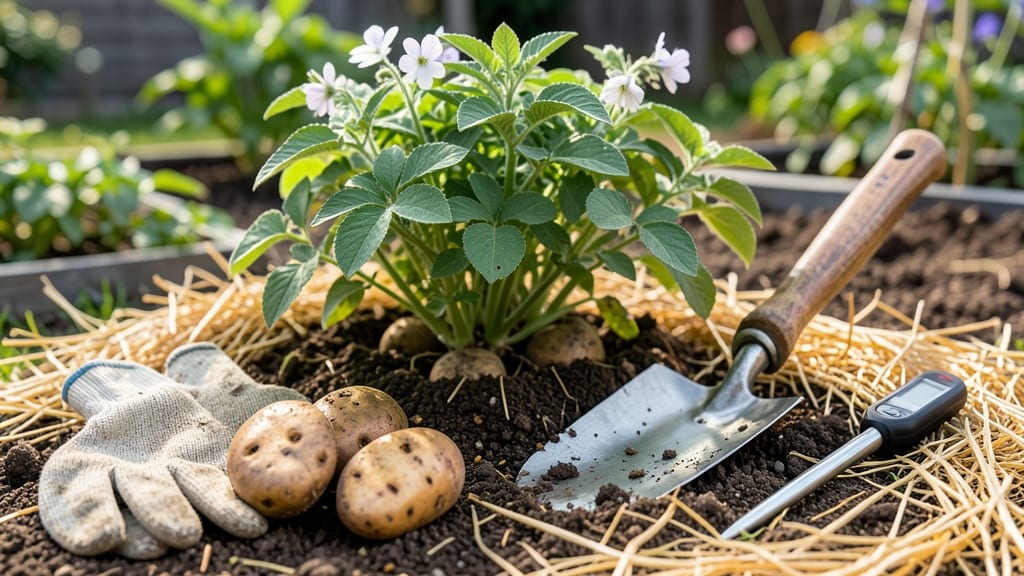
Planting your 🥔 potatoes in Zone 6 at the right time can mean the difference between a thriving harvest and a disappointing one—because getting the timing wrong often leads to stunted tubers or even total crop failure.
If you've ever wondered why some gardeners seem to pull perfect spuds while others struggle, the secret often lies in those first few weeks of spring when the soil finally warms up.
In Zone 6 (6a-6b), the 4-6 week window before your last frost date is your golden opportunity, but knowing exactly when to plant—and which varieties to choose—makes all the difference.
I've tested different planting strategies over the years, and what I'm about to share will help you avoid common mistakes like planting too early (risking frost damage) or too late (missing peak harvest time).
Whether you're a beginner or a seasoned gardener, these insights will give you the confidence to plant your potatoes at the perfect moment for your local climate.
Let's dive into the exact steps to time your potato planting like a pro—so you can enjoy homegrown spuds all summer long without the guesswork.

Zone 6 potato planting timeline: 4-6 weeks before last frost explained
Timing your potato planting in Zone 6 is all about balancing soil temperature, frost dates, and variety maturity. Plant too early, and cold soil slows sprouting; too late, and your harvest shrinks before frost.
The 4-6 week rule before your last frost date is your golden window—but there’s more to it than just counting weeks.
First, check your average last frost date (typically mid-April in Zone 6). Then work backward: early varieties (like Yukon Gold) can go in 4 weeks out, while late varieties (like Russet) need that 6-week buffer.
The key? Soil temperature must hit 45–50°F—cold soil delays sprouting and invites rot.
To calculate your exact dates, use the USDA Plant Hardiness Zone Map for your local microclimate. For example, if your last frost is April 20, plant early varieties by March 20 and late varieties by March 5.
Pro tip: Use a soil thermometer—if temps dip below 45°F, wait a week or two.
Don’t forget staggered planting! Planting early, mid, and late varieties 2 weeks apart extends your harvest from July to September. This also reduces blight risks, since late-season potatoes avoid peak humidity.
Just mark your calendar: early = March 15–30, mid = April 1–15, late = April 16–30.
One common mistake? Planting when the ground is still frozen. Test soil moisture too—it should be damp but not soggy. If it’s rock-hard, wait.
And if you’re in a cooler microclimate (like Zone 6a), err on the side of planting later—cold snaps in early spring are brutal on tender sprouts.
For container growing,
How to adjust potato planting for early vs. late varieties in Zone 6
Not all potatoes thrive on the same schedule in Zone 6. Early varieties like red potatoes demand quick action, while late varieties like fingerlings can wait longer. Understanding these differences helps you extend your harvest season and avoid wasted effort.
I’ve planted all three types and learned the best windows to maximize yields without risking blight or frost damage.
In Zone 6, your last frost date typically falls around April 15, but microclimates can shift this by weeks. For early potatoes, aim to plant 4-6 weeks before your last frost—usually mid-March to early April.
Meanwhile, late varieties can wait until late April to early May, giving them time to mature before summer heat sets in.
| Variety | Planting Window | Days to Maturity | Harvest Window | Staggered Planting Tip |
|---|---|---|---|---|
| Red Potatoes (Early) | Mid-March to early April | 70-90 days | Late June to early July | Plant in two batches, 2 weeks apart |
| Yukon Golds (Mid-Season) | Late April to early May | 90-100 days | Late July to early August | Plant after early varieties sprout |
| Fingerlings (Late) | Early to mid-May | 100-120 days | Late August to September | Use for fall harvests or storage |
Staggered planting is my secret weapon for a continuous harvest. For example, I plant red potatoes in mid-March and again in early April. This ensures fresh tubers in June and July before the heat of summer stresses the plants.
Similarly, Yukon Golds planted in late April mature just as the early varieties finish, creating a seamless transition.
Late varieties like fingerlings are perfect for extending your harvest into fall. These need the longest growing season, so planting them in May ensures they mature before the first frost.
I’ve even had success harvesting a few tubers in September by choosing disease-resistant varieties like Purple Peruvian or Adirondack Blue.
Watch for soil temperature—potatoes won’t sprout until the ground reaches 45-50°F. Use a soil thermometer to avoid planting too early. If frost threatens after planting, cover seedlings with row covers or straw mulch until they’re established. I’ve saved entire batches this way!
Pro tip: Hilling soil around stems as plants grow protects tubers from light exposure (which turns them green and toxic). For early varieties, hill when plants reach 6 inches tall, and for late varieties, wait until they’re 12 inches tall. This simple step can double your yield!