
Plants
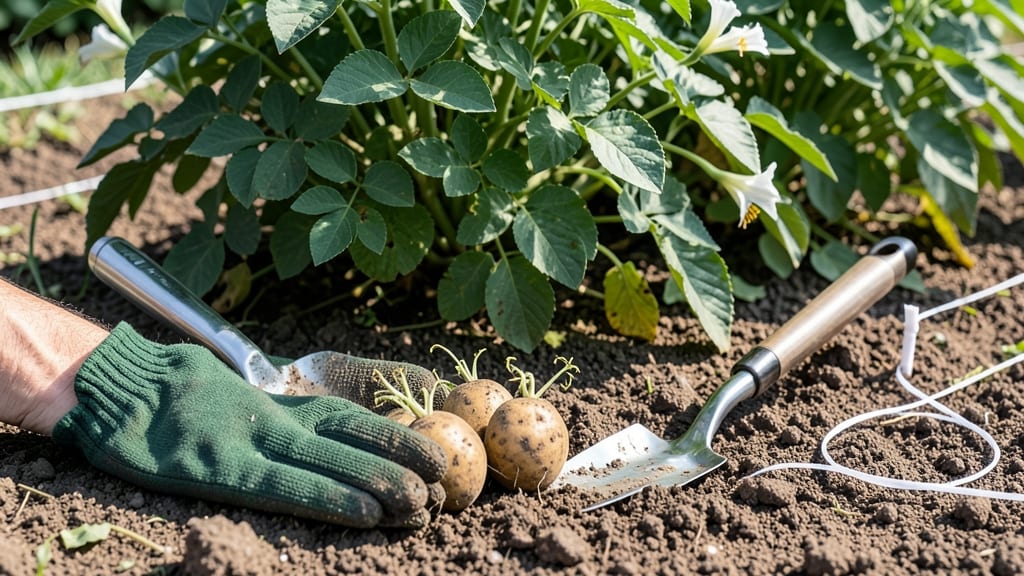
Planting potatoes in Pennsylvania isn’t just about throwing them in the dirt—it’s about outsmarting the climate to get a bountiful harvest. With last frost dates creeping closer to April 15 in USDA Zone 6a, timing is everything. Too early, and your 🥔 spuds could rot in cold soil; too late, and you’ll miss peak growing season. The key? Planting when soil hits 45°F and knowing your region’s frost patterns.
Most Pennsylvania gardeners swear by early spring planting, but the exact window depends on where you live. Whether you’re in Pittsburgh’s Zone 6b or Erie’s cooler Zone 5b, the rules shift slightly.
I’ll break down the best months for your area—plus how to prep soil and choose the right varieties to beat frost and maximize yield.
Don’t let unpredictable weather derail your harvest. I’ll share my top strategies for extending the season, from row covers to succession planting, so you can keep growing even if Mother Nature throws a curveball.
By the end, you’ll know exactly when to plant for zero-frost success—and how to protect your crop every step of the way.
Ready to dig into the details? Let’s get your potatoes in the ground at the perfect time—because in Pennsylvania, patience and precision pay off with a harvest that’ll make your neighbors jealous.
Pennsylvania’s USDA zones and ideal potato planting dates by region
Pennsylvania spans USDA Zones 4-7, meaning your potato planting window varies dramatically between Erie’s Zone 5b and Philadelphia’s Zone 7b. The Keystone State’s last-frost dates range from early April in the north to mid-May in the south, while soil temperatures must reach 45°F (7°C) for optimal germination.
Missing these thresholds can mean the difference between a bumper crop and wasted seed potatoes.
For most Pennsylvania gardeners, early spring planting (March-April) is ideal, but late winter (February) starts work in southern zones. The key is aligning your planting with local frost averages and soil warmth—not just calendar dates.
For example, planting in Erie (Zone 5b) too early risks frost damage, while Pittsburgh (Zone 6a) gardeners can push planting slightly later.
Pro Tip: Use row covers or cold frames to extend your planting window by 2-3 weeks in colder zones. This technique lets you plant earlier in Zone 4 or harvest later in Zone 7 without frost stress.
| USDA Zone | Last Frost Date (Avg.) | Ideal Planting Window | Early Varieties | Mid-Season Varieties | Late Varieties |
|---|---|---|---|---|---|
| 4a/4b (Northeast PA) | April 15-20 | March 15 - April 5 | Yukon Gold, Red LaSoda | Kennebec, Russet Burbank | None (too short season) |
| 5a/5b (Erie, State College) | April 25 - May 5 | March 1 - April 15 | Red Norland, Fingerling | Adirondack Blue, Katahdin | Russet Norkotah (with covers) |
| 6a/6b (Pittsburgh, Harrisburg) | May 5 - May 15 | March 15 - April 30 | Adirondack Red, Purple Viking | Yukon Gold, Kennebec | Russet Burbank, Red LaSoda |
| 7a/7b (Philadelphia, Reading) | May 15 - May 25 | March 1 - May 10 | Fingerling, Red Pontiac | Adirondack Red, Kennebec | Russet Norkotah, Katahdin |
In Zone 4 (Northeast PA), focus on early-maturing varieties like Yukon Gold or Red LaSoda, which can reach harvest in 90 days or less. These varieties tolerate cooler soils and shorter growing seasons.
For Zone 5 (Erie, State College), you can experiment with mid-season types like Kennebec or Adirondack Blue, but always plant 2-3 weeks before your last frost.
Gardeners in Zone 6 (Pittsburgh, Harrisburg) enjoy the most flexibility, with late-May harvests possible for varieties like Russet Burbank. Here, you can even try successive plantings every 2 weeks for a continuous harvest. Just ensure your soil stays above 50°F (10°C)—potatoes won’t sprout below this threshold.
Southern Pennsylvania’s Zone 7 (Philadelphia, Reading) allows for late-season varieties
Signs your Pennsylvania soil is ready for potato planting (and how to prepare it)
Potatoes thrive when planted in warm, well-draining soil that’s free of frost risk. In Pennsylvania, this typically means waiting until soil temperatures hit 45°F (7°C)—usually late March to early April in most zones.
Cold soil delays sprouting, leaving your crop vulnerable to late frosts. I’ve learned the hard way that rushing planting can lead to rotten tubers, so patience is key.
Before you dig, check your soil’s moisture level—it should feel like a slightly damp sponge. Stick your finger 6 inches deep; if it’s dry, water thoroughly 24 hours before planting.
Overly wet soil suffocates roots, while dry soil makes germination difficult. Pennsylvania’s clay-heavy soils often need extra attention here, so I always test first.
Here’s my key takeaway for Pennsylvania gardeners:
Soil Readiness Checklist for PA Potatoes
Pennsylvania’s clay-heavy soils often need amendments to improve drainage. If your soil feels sticky when wet, mix in 3 inches of compost and 1 inch of coarse sand per square foot. For rocky areas, add 2-3 inches of peat moss to create a looser growing medium.
I’ve seen potatoes struggle in unamended clay, so don’t skip this step—it’s worth the extra effort for better yields.
Test your soil’s pH level using a kit from your local garden center. Potatoes prefer slightly acidic soil between 5.0 and 6.5. If your soil is too alkaline (common in PA’s limestone regions), add sulfur or peat moss to lower the pH gradually.
Lime can be tempting, but it’s the last thing you want for potatoes—it locks out nutrients and stunts growth.
Finally, prepare your planting area by creating 12-inch-deep trenches or mounds, depending on your soil type. In heavy clay, mounds improve drainage; in sandy soil, trenches help retain moisture.
I always mark my rows with wooden stakes to avoid disturbing the soil later. This simple step saves time during harvest and keeps your garden organized.
With these preparations, your Pennsylvania soil will be potato-ready in no time—just in time to beat the frost and give you a harvest to be proud of. Happy planting! 🥔