
Flowers
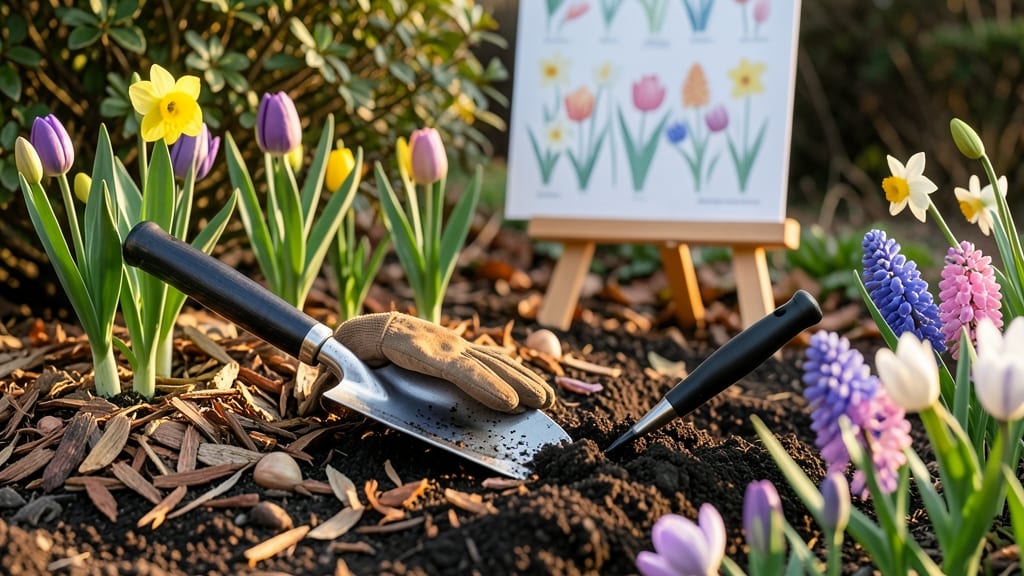
Timing your flower planting in New England can make or break your garden's success—because those unpredictable frosts don’t care about your plans. Whether you're dreaming of vibrant 🌸 annuals or hardy perennials, getting the timing right means the difference between a showstopping display and a sad, wilted mess.
With USDA zones 5-7 and frost dates that shift from mid-April to early November, it’s not as simple as "spring planting." I’ll break down the exact windows—when to start seeds indoors, when to transplant tender varieties, and how to adjust for your specific microclimate (coastal vs. inland).
You’ll also discover which flowers thrive in New England’s cool springs and hot summers, plus pro tips to extend your growing season without risking frost damage. No more guessing—just a foolproof guide to planting 🌸 flowers that bloom all season long.
Ready to transform your garden? Let’s dive into the zone-specific deadlines and strategies that’ll keep your flowers happy—no matter what New England throws at you.
New England planting zones: when to plant flowers by last frost dates
New England’s USDA planting zones 3-6 create a delicate balance between spring warmth and fall frost, making timing everything for your flower garden.
Whether you're in Maine’s chilly zone 3 or Connecticut’s milder zone 6, knowing your last frost date determines when to plant annuals vs. perennials—and when to avoid risky early starts.
In zone 3 (northern Maine), the average last frost arrives May 15-20, while zone 6 (southern Connecticut) sees its last frost April 15-20. These dates dictate your spring planting window for heat-loving annuals like marigolds and zinnias, which must wait until soil warms to 55°F or higher.
For perennials, the strategy shifts: plant in early spring (March-April) to give roots time to establish before summer heat, or in early fall (September-October) to avoid winter stress. Bulbs like tulips and daffodils, however, need cool soil—plant them in fall (October-November) for spring blooms.
Regional variations matter: Coastal areas (like Portland, ME) often have later last frosts due to moderating ocean breezes, while inland valleys (like Hartford, CT) may see frost 1-2 weeks earlier.
Always check your local frost date using the National Oceanic and Atmospheric Administration (NOAA) or your local cooperative extension service.
Here’s how last frost dates and first frost dates shape your planting calendar:
| Zone | Last Frost Date | First Frost Date | Spring Planting Window | Fall Planting Window | Key Flowers |
|---|---|---|---|---|---|
| Zone 3 (Maine, NH) | May 15-20 | Oct 5-10 | After May 20 (soil 55°F+) | Aug 15-Sept 15 | Pansies, Snapdragons, Hardy Geraniums |
| Zone 4 (VT, Upstate NY) | May 1-10 | Sept 25-Oct 5 | After May 10 (soil 50°F+) | Aug 20-Sept 20 | Lupines, Columbines, Shasta Daisies |
| Zone 5 (MA, RI, CT inland) | April 25-May 5 | Oct 10-20 | After May 5 (soil 50°F+) | Sept 1-15 | Peonies, Black-Eyed Susans, Coneflowers |
| Zone 6 (CT coast, Long Island) | April 15-20 | Oct 25-Nov 5 | After April 20 (soil 45°F+) | Sept 15-Oct 1 | Daylilies, Bee Balm, Lavender |
In zone 3, where winters are harsh, focus on cold-hardy annuals like pansies and snapdragons, which tolerate light frosts. These can be sown as early as April under row covers for early spring color. In zone 6, you’ll have more flexibility—plant tender annuals
Best flowers to plant in New England by season (and when to avoid them)
New England’s cool springs and hot summers demand strategic planting to maximize blooms. Some flowers thrive in early spring when others would freeze, while heat-lovers need full summer to shine. The key? Matching your 🌸 flowers to the right season—and avoiding common pitfalls like planting tender annuals too soon.
For example, pansies and snapdragons can handle light frosts, making them perfect for late spring or even fall planting. Meanwhile, black-eyed Susans and coneflowers wait patiently for hot summer to burst into color. And don’t forget bulbs like tulips, which need fall planting to naturalize beautifully.
Here’s your seasonal planting calendar—with exact windows and must-avoid mistakes:
- 🌱 Early Spring (March-April): Plant cool-season bulbs (daffodils, crocuses) and hardy perennials like hostas and peonies. Avoid tender annuals until after last frost.
- ☀️ Late Spring (May-June): Transplant pansies, snapdragons, and marigolds after frost risk passes. Start heat-lovers (zinnias, sunflowers) indoors for June planting.
- 🌞 Summer (July-August): Direct-sow cosmos and black-eyed Susans. Avoid planting cool-season flowers—they’ll bolt in the heat.
- 🍂 Fall (September-October): Plant fall-blooming bulbs (tulips, hyacinths) and pansies for winter color. Stop planting tender perennials 6 weeks before first frost.
One critical mistake is planting tender annuals like petunias or geraniums before Memorial Day—New England’s late frosts can still strike. I’ve lost count of the 🌷 petunias I’ve watched freeze overnight!
For bulbs, timing is everything. Plant spring-blooming tulips in fall (October-November), but summer-blooming dahlias need to wait until after last frost in spring. And if you’re itching to garden in winter, stick to hardy evergreens or winter pansies—they’re the only ones brave enough for snow.
Pro tip: Use row covers to extend your spring planting window by 2-3 weeks for heat-loving annuals. Just don’t leave them on too long—ventilation is key to prevent overheating.