
Planting
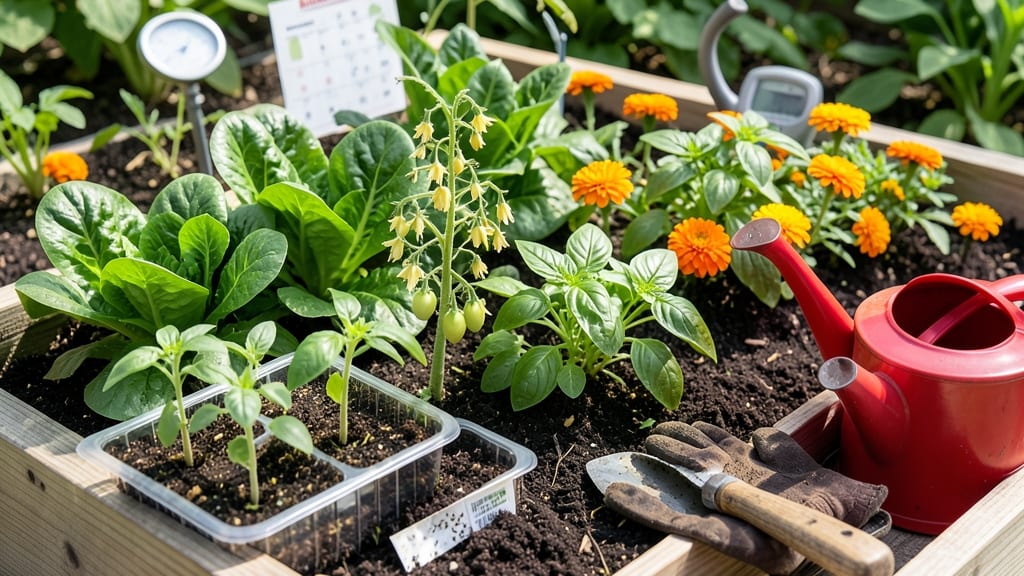
Planting your garden at the right time can make all the difference between a bountiful harvest and a disappointing flop. When to plant a garden in your region depends on more than just the calendar—it’s about understanding your local frost dates, soil temperatures, and even microclimates that can shift your planting window by weeks.
For most gardeners in USDA Zone 6a, like me, the ideal window opens in April or May after the last frost. But what if your neighbors swear by March plantings? The truth is, timing varies based on whether you’re growing cool-season crops like spinach or frost-sensitive plants like tomatoes.
I’ll break down the exact moments to start sowing, whether you’re direct-seeding or using starters.
You don’t need a degree in agriculture to get this right—just a few key tools and tricks. From using the 10-day average rule for frost dates to adjusting for urban heat islands, I’ll show you how to fine-tune your schedule.
Whether you’re a container gardener or working with raised beds, these insights will help you avoid common pitfalls and maximize your growing season.
Ready to turn your garden dreams into reality? Let’s dive into the science and strategies that will have your 🌱 General Garden thriving from the first seed to the final harvest.
You’ll learn how to read your local climate, adapt to unpredictable weather, and even extend your growing season with simple techniques.
How to find your local frost dates for perfect planting timing
Timing your garden planting by frost dates can mean the difference between a thriving harvest and a wasted season. Knowing your last spring frost and first fall frost helps you avoid planting too early or too late.
For example, frost-sensitive plants like tomatoes need at least 60 days of warm weather after transplanting, so planting them too soon risks losing your crop.
Your USDA hardiness zone is the starting point for finding frost dates. Each zone (like Zone 6a or Zone 8b) has average frost dates, but local variations can shift these by weeks.
For instance, my Zone 7a garden in the Midwest typically sees its last frost around April 15, but a nearby valley might experience it a week later.
To find your exact frost dates, start by locating your USDA zone using the USDA Plant Hardiness Zone Map. Enter your ZIP code to pinpoint your zone, then cross-reference it with a local almanac or weather service for frost date averages.
For example, the Old Farmer’s Almanac provides last frost dates for thousands of locations, including my hometown of Chicago (Zone 5b), where the average last frost is May 5.
While averages are helpful, they’re not set in stone. Microclimates—like urban areas, slopes, or bodies of water—can create pockets where frost arrives earlier or lingers later. A south-facing slope might warm up faster, while a low-lying area could stay colder.
I once planted pepper seedlings in a sunny microclimate and avoided frost damage when my neighbor’s plants in a shadier spot were still struggling.
For real-time adjustments, use weather apps like The Weather Channel or AccuWeather. These apps often include frost warnings and 10-day forecasts, which help me decide whether to cover tender plants or delay planting.
Another trick is to monitor local gardening groups on social media or forums—they often share firsthand updates on frost events.
Don’t forget to account for soil temperature, not just air temperature. Most seeds need soil that’s at least 60°F to germinate. I use a soil thermometer to check temperatures in the morning, especially in spring when air temps rise but soil stays cool.
For example, lettuce seeds can sprout at 40°F, while cucumber seeds need 70°F or warmer.
Here’s how to use frost dates to plan your garden: 1. Cool-season crops (like spinach or peas) can handle light frosts and should be planted 4-6 weeks before your last frost date.
- Warm-season crops (like tomatoes or basil) must wait until 2-3 weeks after your last frost and need consistent warm soil.
- Fall planting works for crops like kale or radishes, which can tolerate light frosts. I plant these 6-8 weeks before my first fall frost.
For container gardens or raised beds, frost dates are equally critical. Containers warm up faster than in-ground soil, so I often plant warm-season crops 1-2 weeks earlier in containers than I would in the ground.
However, they also cool down faster in fall, so I use row covers to extend the season.
Finally, keep a gardening journal to track your local frost dates over time. Weather patterns shift due to climate change, and your notes can help you adjust future planting schedules.
For example, I’ve noticed my last frost date has crept earlier by 3-5 days over the past decade, so I’ve shifted my planting timeline accordingly.
🌱 Summary Table: Key Frost Dates by USDA Zone
| USDA Zone | Last Spring Frost | First Fall Frost | Frost-Free Days | Planting Window | ||||||||||||||||
|---|---|---|---|---|---|---|---|---|---|---|---|---|---|---|---|---|---|---|---|---|
| Zone 3a-4b | May 1 - May 15 | September 15 - October 1 | 120-150 days | Late May - Early June | ||||||||||||||||
| Zone 5a-6b | April 15 - May 1 | October 1 - October 15 | 150-180 days | Mid-April - Mid-May | ||||||||||||||||
| Zone 7a-8b | March 15 - April 15 | November 1 - November 15 | 180-240 days | Early March - Early April | ||||||||||||||||
Best planting times by crop type: cool vs warm season vegetablesUnderstanding the difference between cool-season and warm-season vegetables is the key to a productive garden. Cool-season crops like lettuce and spinach thrive in 50-75°F temperatures and can even tolerate light frost, while warm-season plants such as tomatoes and peppers need consistent warmth above 60°F to grow properly. Planting at the wrong time can lead to stunted growth or bolting—so timing matters! Your last frost date and first frost date are critical markers. For most U.S. regions, warm-season crops should go in 2-4 weeks after your last frost, while cool-season crops can start 4-6 weeks before the last frost or 8-10 weeks before the first frost for fall harvests. Let’s break down the best planting windows for each category.
For warm-season vegetables, timing is everything. If you plant too early, cold soil can stunt roots, while late planting may result in a short harvest before frost. Succession planting is your best friend here—sow radishes or beans every 2 weeks to keep the harvest going. I always plant a few extra tomato seedlings in late July for a fall crop if my region’s frost date is late! Don’t overlook fall planting for cool-season crops. Many gardeners miss the opportunity to grow kale or broccoli in autumn, which often tastes sweeter after a light frost. Start seeds indoors 8-10 weeks before your first frost date, then transplant seedlings into the garden in early fall. Row covers can extend the season by 2-4 weeks, protecting tender greens from early frosts. Regional differences matter too! In Zone 5 or colder, warm-season crops like peppers may need to start indoors in March and use row covers early in the season. Meanwhile, in Zone 8 or warmer, you might get two full harvests of warm-season crops with a fall planting. Always check your local frost dates—they’re your garden’s roadmap! Pro tip: Keep a gardening journal to track what works in your microclimate. Note when you plant, how long it takes to harvest, and any unexpected frost or heatwaves. Over time, you’ll refine your planting schedule to match your unique growing conditions. Happy planting! 🌱 |