
Plants
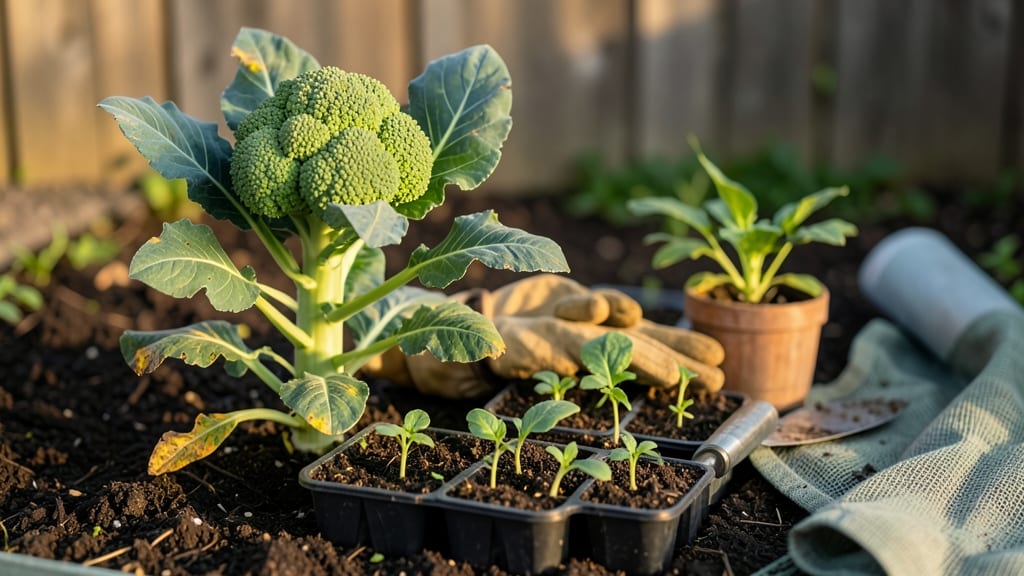
Planting fall crops in Ohio isn't just about timing—it's about beating the clock before frost turns your garden into a science experiment. 🌱 With 4-6 weeks between your last planting window and first frost, even a week off can mean the difference between a bountiful harvest and wilted disappointment.
If you've ever stared at your garden in October wondering why your lettuce bolted or your carrots stayed tiny, you're not alone. The key isn't just knowing when to plant—it's understanding how Ohio's USDA Zone 6a microclimates (like Lake Erie's moderating effect) can shift your deadlines by weeks.
I'll show you exactly how to adjust for your county's specific frost dates.
What if I told you that fall planting could actually reduce pests and extend your harvest well into November? The secret lies in choosing the right crops and planting them at the optimal time—early August to mid-September—while avoiding common mistakes that sabotage even the most well-intentioned gardeners.
Let's break down the county-by-county deadlines, the best cold-hardy crops for Ohio, and how to stretch your growing season with simple techniques. By the end, you'll know exactly when to plant for a harvest that lasts—no guesswork, just results.
Ohio county-by-county fall planting deadlines by hardiness zone
Ohio’s 87 counties span USDA zones 5b-6a, meaning fall planting deadlines vary by 1-2 weeks depending on location. Frost-sensitive crops like lettuce, spinach, and kale need precise timing—plant too early, and they’ll bolt; too late, and frost kills them before harvest.
I’ve broken down the last planting dates by zone, with adjustments for microclimates like Lake Erie’s moderating effect on northern counties.
Most of Ohio falls in zone 6a, but southern counties (e.g., Adams, Brown) creep into zone 6b, allowing slightly later plantings. Meanwhile, Lake Erie’s influence pushes back frost dates in Ashtabula, Lorain, and Cuyahoga counties by 7-10 days.
Use this guide to align your fall garden calendar with your local frost risk.
Key rule: Plant frost-sensitive crops 4-6 weeks before your county’s average first frost. For hardier crops like kale or carrots, you can push it to 3 weeks before frost. Below, I’ve organized deadlines by USDA zone and highlighted microclimate exceptions.
For northern Ohio (e.g., Trumbull, Mahoning), aim to plant by August 15 for frost-sensitive crops like lettuce or spinach. These areas fall in zone 5b, where frost can hit as early as October 10.
If you’re in Lake Erie’s shadow (e.g., Ashtabula, Lorain), you’ve got a 10-day grace period—plant by August 25 instead.
Central Ohio (e.g., Franklin, Delaware) offers the most flexibility, with a September 10 deadline for leafy greens. This aligns with USDA zone 6a averages, but watch for early cold snaps. Use row covers to extend harvests by 2-3 weeks if frost threatens.
Southern Ohio’s warmer microclimates (e.g., Clermont, Butler) let you plant until September 20. Here, kale and carrots can often survive light frosts, making them ideal late-season crops. For zone 6b counties like Adams, you can even push radishes or turnips into early October.
Pro tip: Check your county’s historical frost dates on the National Oceanic and Atmospheric Administration (NOAA) website. For example, Cincinnati (Hamilton County) averages a first frost on October 15, but Toledo (Lucas County) sees frost 10 days earlier. Adjust your planting schedule accordingly.
If you’re unsure about your county’s zone, use the USDA Plant Hardiness Zone Map and cross-reference with local gardeners’ reports. For instance, Columbus (Franklin County) sits in zone 6a, but urban heat islands can delay frost by 3-5 days compared to
Best fall crops for Ohio’s short season and how to extend their growth
Ohio’s fall season offers a second chance for gardeners to harvest fresh produce, but the window is narrow. With the first frost typically arriving by mid-October, choosing the right cold-hardy crops and extending their growth can mean the difference between a meager harvest and a bounty that lasts.
The key is selecting varieties that mature quickly and thrive in cooler temperatures—think broccoli, kale, and radishes—while using simple techniques to protect them from early frosts.
I’ve grown fall crops in Ohio for years, and the secret isn’t just picking the right plants—it’s about strategic timing and season-extending tools.
Whether you’re a beginner or a seasoned gardener, these 10 top-performing fall crops and my proven methods for pushing harvests into December will transform your garden’s potential. Let’s dive into the best options and how to keep them growing long after your neighbors have packed up their tools.
One of my favorite fall crops is broccoli, particularly the Waltham 29 variety, which matures in 60-70 days and handles light frosts beautifully. Last year, I planted it in early August and used a floating row cover to shield it from early chills.
By October, I was harvesting full heads while my neighbors were still waiting for theirs to form. The trick? Thin seedlings to 12 inches apart and side-dress with compost to boost growth.
For root crops like carrots and beets, timing is critical. Sow them in late July to early August for a fall harvest, but avoid planting too late—bolting becomes a risk as days shorten.
I swear by the Nantes variety for carrots because it resists cracking and stores well. To extend their season, mulch heavily with straw and cover with lightweight fabric when temperatures dip below 40°F.
Don’t overlook leafy greens like kale and spinach, which actually taste sweeter after frost. I plant Winterbor kale in mid-August and harvest leaves as needed, letting the plant keep producing until snow flies.
For spinach, try Bloomsdale Long Standing—it’s cold-hardy and matures in just 40 days. To maximize your space, interplant fast growers like radishes between rows of slower crops like Brussels sprouts.
Extending your fall harvest doesn’t require fancy equipment. A $20 row cover or a DIY cold frame made from wooden frames and plastic sheeting can add 2-4 weeks to your growing season.
Last fall, I built a simple cold frame using untreated lumber and plexiglass to protect my lettuce and arugula. By late November, I was still harvesting crisp greens while my neighbors were digging up their gardens.
The key is ventilation—prop the lid open on warm days to prevent overheating.
Remember, Ohio’s fall garden is all about working with the weather, not against it. Choose cold-hardy varieties, plant at the right time, and use simple season-extending tools to turn your garden into a productive powerhouse well into December.
With these strategies, you’ll be the one with fresh harvests while everyone else is dreaming of spring. Happy planting! 🌱