
Plants
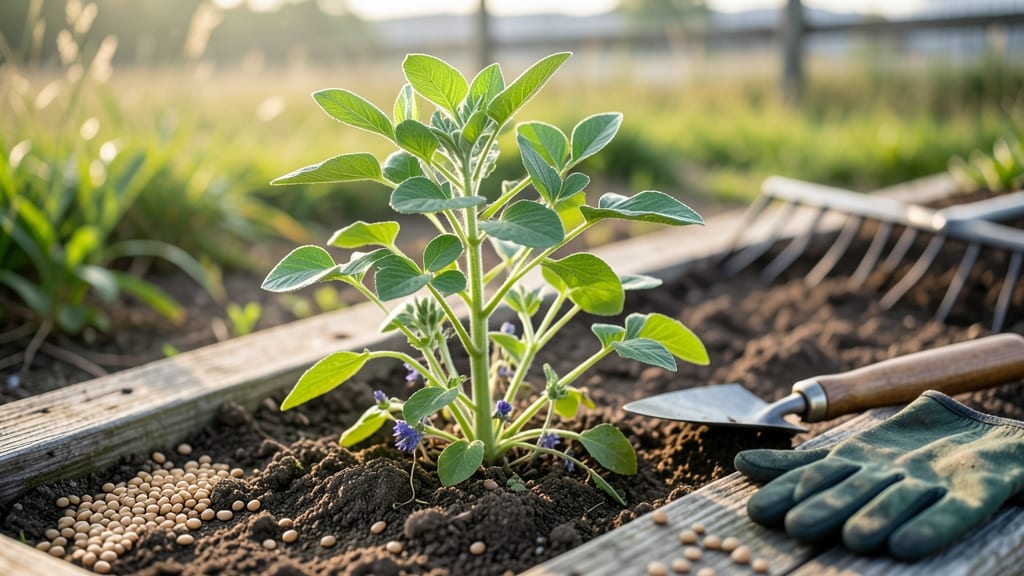
Planting alfalfa in Indiana at the wrong time can mean the difference between a thriving forage crop and wasted effort. The 6a zone demands precision—too early, and frost will nip tender seedlings; too late, and summer heat stresses young plants before they establish roots.
Most Indiana growers swear by early spring planting between March and April, when soil temperatures consistently stay above 45°F. But late summer (August) offers a second chance for those who missed the spring window. The key? Understanding your local frost dates and soil conditions to avoid common pitfalls.
I’ll walk you through the exact planting window, soil prep tips, and how to adjust for Indiana’s unpredictable weather. Whether you’re a small-scale farmer or homesteader, these strategies will help you maximize your alfalfa’s potential from the first seed to harvest.
Ready to grow a hardy, high-yield crop? Let’s break down the timing, tools, and techniques that work in Indiana’s climate—so you can plant with confidence and harvest success.
Optimal planting dates for alfalfa in Indiana’s USDA zones 5-6
Indiana’s USDA Zones 5-6 create a unique challenge for growing alfalfa—the short growing season demands precise timing. Plant too early, and frost will damage tender seedlings; too late, and your crop won’t mature before winter.
The ideal planting window spans just 6-8 weeks, making soil temperature and frost dates your best guides.
In northern Indiana (Zone 5b), where last frosts average April 15, aim to plant alfalfa seeds between March 15 and April 10. Southern Indiana (Zone 6a) enjoys slightly later dates, targeting April 1 through May 1.
These windows balance soil warmth (minimum 45°F) with frost risk—critical for germination.
For those who prefer late-summer planting, August 15-30 works in both zones, but success hinges on established roots before fall frosts hit. This method reduces weed competition but requires irrigated soil to prevent drought stress during root establishment.
Indiana’s variable climate—hot summers, cold winters, and unpredictable rainfall—means microclimates matter. Low-lying areas may frost 2 weeks later than hilltops, while urban heat islands can push planting 10 days earlier. Always check local frost records and adjust accordingly.
Frost risk is the biggest threat: alfalfa seedlings can’t tolerate temps below 32°F. Use row covers or mulch if planting near the edge of your window. In Zone 5b, late April frosts are common, while Zone 6a sees fewer surprises—but always prepare for unpredictable weather.
| Zone & Location | Optimal Planting Window | Soil Temp Requirement | Frost Risk | Key Adjustment |
|---|---|---|---|---|
| Zone 5b (Northern IN) | March 15–April 10 | 45°F+ (7°C+) | High (last frost: April 15) | Use row covers if late |
| Zone 6a (Southern IN) | April 1–May 1 | 45°F+ (7°C+) | Moderate (last frost: April 5) | Extend to May if dry |
| Late-Summer Option (Both Zones) | August 15–30 | 50°F+ (10°C+) | Low (established roots) | Irrigate for root growth |
Indiana’s northern vs. southern divide also affects alfalfa maturity. Plants in Zone 5b may need an extra 2-3 weeks to reach harvestable height compared to Zone 6a. Plan accordingly: second-year harvests (when alfalfa reaches 2-3 feet) are critical for forage quality.
If you’re planting in late summer, prioritize well-drained soil and consistent moisture. Alfalfa’s deep taproot system struggles in compacted or waterlogged conditions. Test soil 2 weeks before planting—aim for 60% moisture to kickstart germination without drowning seeds.
Pro tip: Use a soil thermometer to confirm 45°F+ soil temps before planting. Cold soil delays germination by up to 10 days, wasting your narrow window. In Zone 5b, this often means waiting until mid-April even if calendar says March.
Remember, alfalfa’s first year is about root establishment, not harvest. Focus on minimal disturbance, weed control, and adequate nutrients (especially phosphorus and potassium) to set your crop up for year-two success
Key factors that determine the best alfalfa planting time in Indiana
When planting alfalfa in Indiana, soil temperature is the most critical factor—seeds won’t germinate reliably below 45°F. Use a soil thermometer to confirm temperatures are consistently above this threshold before planting in March or April.
Northern Indiana’s cooler microclimates may require waiting until late April, while southern regions can start as early as mid-March.
Moisture levels play a surprising role too. Alfalfa seeds need consistent soil moisture for germination, but overwatering can cause rot. Indiana’s spring rains often provide enough moisture, but in dry years, plan to irrigate lightly until seedlings emerge. Aim for 1-1.5 inches of water per week during establishment.
Seed viability drops dramatically after 2 years of storage, so always check your seed packet for freshness. Indiana’s humid summers can accelerate seed degradation, so store seeds in a cool, dry place if you’re planting later in the season. For best results, use seeds from the current year’s harvest.
Indiana’s 10-year climate averages show that late summer planting (August) is riskier due to higher pest pressure and shorter growing seasons before frost. However, it can be viable in southern Indiana where first frosts arrive later. Always monitor local weather forecasts and adjust your planting window accordingly.
Spring Planting (March-April)
Pros
- Longer growing season before winter
- Lower pest pressure early in season
- Better establishment before summer heat
Cons
- Frost risk if planted too early
- Soil prep delays due to wet springs
- Competition from winter weeds
Fall Planting (August)
Pros
- Second chance for missed spring planting
- Cooler temps reduce heat stress
- Fewer weeds in late summer
Cons
- Higher pest pressure from insects
- Shorter growing window before frost
- Lower survival rates in northern Indiana
For Indiana growers, yield potential is highest with spring planting, but survival rates can be 20-30% lower in fall plantings due to frost sensitivity. Use row covers if planting in late August to extend the growing season and protect young seedlings from early frosts.
Always test your soil’s pH (6.5-7.0) and phosphorus levels before planting—alfalfa is particularly sensitive to acidic soils. Indiana’s clay-heavy soils often need lime amendments to create optimal growing conditions. This small step can dramatically improve your alfalfa’s root development and overall health.
Remember: Timing is everything with alfalfa. By paying attention to soil temperature, moisture, and Indiana’s climate patterns, you’ll give your crop the best chance to thrive from seed to harvest. Start with a soil test, monitor weather forecasts, and don’t hesitate to adjust your planting window based on local conditions.