
Trees
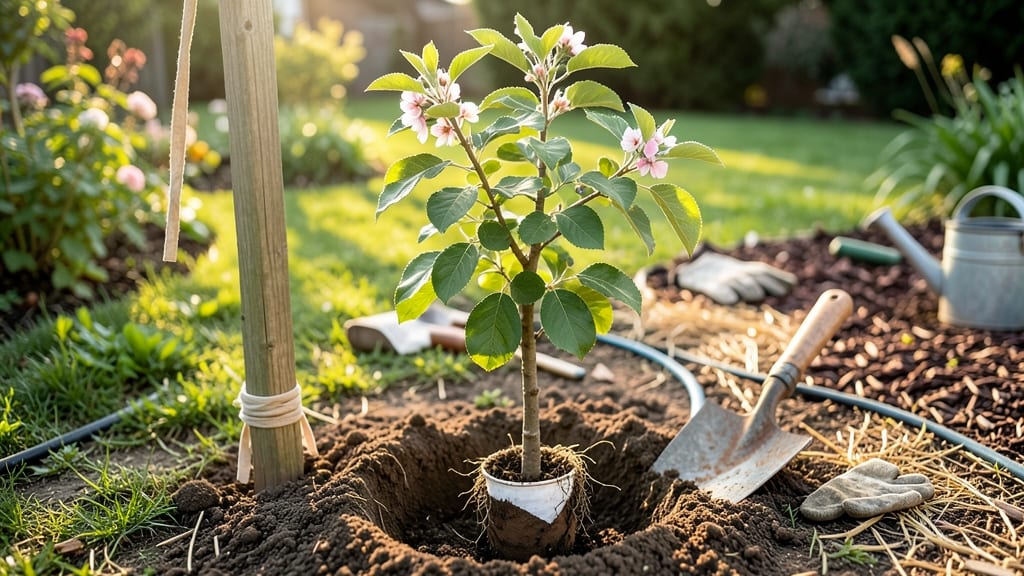
Planting an apple tree 🍎 in Indiana at the wrong time can mean the difference between a thriving orchard and a struggling sapling that never fully recovers.
With USDA Zones 5b-6b bringing unpredictable frost patterns and shifting soil temperatures, getting the timing right is more than just picking a season—it’s about aligning with nature’s precise schedule.
Most gardeners assume spring is the only window, but Indiana’s climate actually offers two ideal planting periods: early spring (March-April) when soil warms enough for roots to establish before summer heat, and fall (October-November) when trees can settle in before winter dormancy.
The key? Planting when soil temperatures hit that sweet spot of 40–50°F—cold enough to prevent early growth but warm enough to encourage root development.
Why does this matter? Because an apple tree planted too early risks frost damage to tender new shoots, while one planted too late may struggle to establish roots before winter’s harsh freeze.
In northern Indiana, where frost lingers longer, timing is even more critical—just a few weeks can mean the difference between success and failure.
I’ll walk you through exactly when to plant in your specific Indiana county, which varieties thrive best in your zone, and the simple steps to prepare your soil for maximum root growth. Let’s get those trees off to the right start.
Optimal planting windows for Indiana’s USDA Zones 5-6: month-by-month deadlines
Indiana’s USDA Zones 5b-6b offer two prime windows for planting apple trees: early spring and late fall. These periods align with soil temperatures, frost risks, and your tree’s dormancy cycle.
In northern Indiana (Zone 5b), aim for March 15–April 15, while southern Indiana (Zone 6b) can extend planting until April 30. Fall planting works best from October 15–November 15, before the ground freezes.
Timing matters because apple trees need 4–6 weeks of root establishment before winter dormancy. Planting too early risks frost damage, while late planting leaves insufficient time for roots to develop. Indiana’s average last frost date ranges from April 15 (north) to May 1 (south), so adjust your schedule accordingly.
Northern Indiana gardeners should prioritize bare-root trees in early spring, as soil thaws later. Southern Indiana’s milder climate allows for container-grown trees planted until late April. For fall, wait until leaves drop (mid-October) to ensure roots harden before winter.
For bare-root trees, spring planting is ideal because roots are dormant and can establish quickly. Container-grown trees, however, offer flexibility—plant them anytime soil isn’t frozen. In Indiana’s clay-heavy soils, amend planting holes with compost to improve drainage and aeration.
Northern Indiana’s shorter growing season demands earlier planting. If you miss spring, fall is your next best option—but stop by November 15 to avoid winter damage. Use frost cloth for young trees in late fall to protect tender new growth.
Monitor soil temperatures with a thermometer (ideal: 40–50°F). Cold soils slow root growth, while warm soils encourage early budding. In Zone 5b, soil may stay too cold for planting until mid-April, so adjust your schedule accordingly.
Regional variations matter: Urban areas like Indianapolis (Zone 6a) can plant slightly later than rural northern Indiana. Always check your local frost dates—Indiana’s climate shifts yearly. For example, 2023’s late spring frost in April delayed planting for many gardeners.
After planting, prioritize deep watering (15–20 gallons per tree) to encourage root expansion. Young apple trees need consistent moisture, especially during Indiana’s hot, dry summers. Mulch with wood chips to retain moisture and regulate soil temperature.
Fall-planted trees benefit from winter protection. Wrap the trunk with tree guard to prevent rodent damage and apply a thick layer of mulch (4–6 inches) to insulate roots. In Zone 5b, expect harsher winters, so extra care is critical.
Remember: Timing is everything for apple trees in Indiana. Whether you choose spring or fall, align planting with soil conditions, frost risks, and your tree’s dormancy cycle. With the right window, your apple trees will establish strong roots and reward you with decades of fruit production. 🍎
5 Critical factors that determine the best planting time for apple trees in Indiana
Planting apple trees in Indiana requires more than just picking a season—it’s about understanding how soil temperature, frost risk, and tree variety interact with your local climate. In USDA Zones 5b-6b, timing can shift dramatically between northern counties like LaPorte and southern areas like Jeffersonville.
For example, northern Indiana’s last frost often hits two weeks later than southern regions, which directly impacts when you should plant.
Even within the same county, urban microclimates (like heat islands in Indianapolis) can create warmer soil earlier than rural areas. Meanwhile, choosing between bare-root and containerized trees adds another layer—bare-root stock needs cooler soil (40–50°F) to avoid stress, while potted trees can handle slightly warmer conditions.
Let’s break down these five critical factors to pinpoint your perfect planting window.
Let’s say you’re in Lake County (Zone 5b) with a last frost date of April 20. For bare-root Honeycrisp, your ideal window is March 15–April 5—soil temps hit 45°F, and frost risk is low.
But if you’re in Vanderburgh County (Zone 6a), you could push planting to early May for containerized trees, thanks to warmer microclimates.
Pro tip: Test your soil before planting—Indiana’s clay-heavy soils often need organic matter to improve drainage. Amend with compost or peat moss to create the slightly acidic pH (6.0–6.5) apple trees love. This prep step is just as critical as timing.
Remember, fall planting (October–November) works well if you choose hardy varieties like McIntosh or Cortland. The tree enters dormancy naturally, reducing transplant shock. Just ensure 6–8 weeks remain before first frost to let roots establish.
By aligning these five factors, you’ll give your apple trees the best possible start—whether you’re a backyard grower in Bloomington or a homesteader in Gary. The key? Know your zone, check the soil, and plant when conditions are just right. 🍏🌱