
Plants
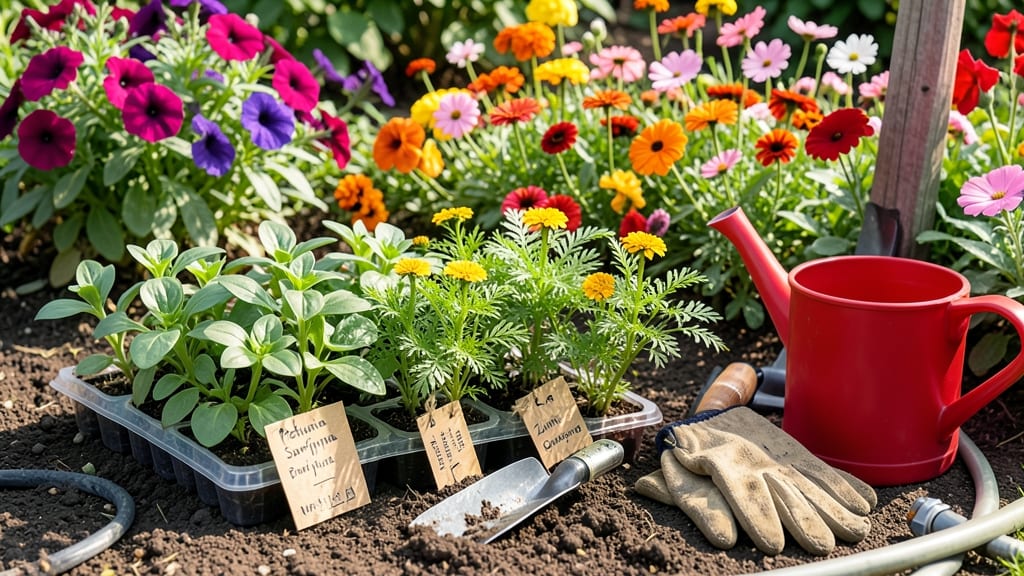
When to plant annuals in Colorado isn’t just about the calendar—it’s about altitude, microclimates, and last-frost dates that can shift dramatically from Denver to the mountains.
Plant too early, and your 🌸 annuals might get nipped by frost; too late, and you’ll miss the 120-180 frost-free days that make Colorado’s short growing season work.
For most gardeners in USDA Zones 5-7, the sweet spot is between April 15 and May 15—but that window shrinks in high-altitude areas like Boulder or Fort Collins, where late frosts linger until early June.
Meanwhile, heat-loving annuals like marigolds and zinnias need to wait until soil temps hit 50°F or warmer, while cool-season favorites like pansies can handle cooler soil.
I’ve learned the hard way that rushing your planting can mean stunted blooms or wasted seeds. Whether you’re a Front Range gardener or tucked into the Western Slope, this guide breaks down the exact deadlines you need to maximize your annuals’ potential—plus how to adjust for Colorado’s unpredictable weather.
Ready to avoid the most common mistakes? Let’s dive into the checklist and strategies that’ll help your annuals thrive, no matter where you garden in the Centennial State.
Colorado’s annual planting zones: frost-free deadlines by elevation
Colorado’s elevation ranges from 2,500 feet in the Western Slope to over 10,000 feet in the mountains, creating wildly different planting windows. These zones dictate when to sow heat-loving annuals like marigolds and when to plant cool-season favorites such as pansies.
Understanding your last-frost dates is critical—plant too early, and a late freeze will kill tender seedlings.
In Denver and the Front Range (5,000–7,000 ft), the average last frost falls between April 15–May 1, while Colorado Springs (6,000 ft) sees frost-free dates slightly earlier, around April 1–April 15.
Higher elevations like Boulder or Estes Park (7,000–9,000 ft) can delay frost until May 15–June 1, making timing even trickier.
For heat-loving annuals like zinnias, petunias, and sunflowers, wait until soil temperatures consistently reach 50°F or warmer. In the Western Slope (2,500–5,000 ft), you can plant as early as March 15–April 1, but mountainous regions may not be frost-free until late May or June.
Cool-season annuals like snapdragons and pansies, however, tolerate cooler soils and can be sown 4–6 weeks before the last expected frost.
In high-altitude gardens, even fast-growing annuals like nasturtiums may struggle if planted too early. Use row covers or cold frames to extend your season, especially in zones above 7,000 feet.
For container gardening, which is common in urban areas, you can push planting dates slightly earlier since pots warm up faster than the ground.
Fall planting is another strategy for Colorado gardeners. Start cool-season annuals like pansies and calendula 6–8 weeks before the first frost, which typically arrives between October 15–November 1, depending on elevation.
In the Western Slope, you might enjoy blooms until November 15, while mountain gardens may see frost by early October.
Always check local weather forecasts and use a soil thermometer to confirm conditions. A late-spring frost can devastate tender seedlings, so err on the side of caution.
For example, marigolds planted in Denver after May 10 usually thrive, but zinnias may need a head start in containers to avoid frost damage.
Pro tip: Hardened-off seedlings (acclimated to outdoor conditions) survive better than direct-sown seeds if frost threatens. If you’re unsure, opt for slow-to-germinate annuals like lobelia or sweet alyssum, which tolerate cooler soils and can be planted earlier than heat-lovers.
Finally, remember that microclimates play a role. South-facing slopes warm up faster, while shaded or north-facing areas stay cooler longer. Adjust your planting dates based on your specific garden conditions to maximize success.
How to adjust planting times for Colorado’s unpredictable weather
Colorado’s weather can shift from freezing nights to scorching days in a single week, making planting annuals a high-stakes game of timing. Even if your neighbor’s marigolds are thriving, a late frost can wipe out your seedlings overnight.
The key is adapting to soil temperatures, not just air temperatures, and using tools like row covers or cold frames to buy extra time for tender plants.
For example, cosmos and nasturtiums can handle cooler soil temps (as low as 50°F), while petunias and geraniums need soil to warm to 60°F before planting.
A soil thermometer ($10 at garden centers) is your best friend—stick it in the ground 2 inches deep in the morning to check readiness. If you’re planting in high-altitude areas (like Boulder or Fort Collins), wait until mid-May to avoid late frosts, even if your calendar says spring has arrived.
- 1 Test soil temp before planting—aim for 50°F+ for cool-season annuals (e.g., pansies) and 60°F+ for heat-lovers (e.g., zinnias).
- 2 Use row covers (floating fabric) to protect seedlings from late frosts—they raise temps by 5–8°F and can extend your planting window by 2–3 weeks.
- 3 Start heat-lovers indoors 4–6 weeks before your last frost date to give them a head start (e.g., tomatoes, peppers, basil).
- 4 Plant fall annuals (like pansies or kale) by August 1—they’ll thrive in cooler temps and give you color until first frost.
- 5 Check microclimates—south-facing slopes warm faster than shady spots. Use your soil thermometer in multiple areas to spot the warmest pockets for early planting.
If you’re gardening in Denver or Colorado Springs, aim to plant warm-season annuals (like sunflowers or cosmos) after May 15, but in high-altitude areas (e.g., Aspen or Leadville), wait until June 1 to avoid frost damage.
For container gardening, soil warms faster, so you can plant 2 weeks earlier than in-ground beds.
Protecting your plants doesn’t stop at planting—row covers and cold frames are lifesavers for late frosts. A simple hoop house made from PVC pipes and frost cloth can add 10°F of protection.
For fall planting, start with hardy annuals like nasturtiums or sweet alyssum, which tolerate cooler soil and lighter frosts. These plants will reward you with blooms until November in most of Colorado.
Remember, Colorado’s growing season is short—don’t waste time on finicky plants. Stick to fast-growing annuals like bush beans or zinnias, which mature in 60 days or less.
And always keep an eye on the 10-day forecast—if frost is predicted, cover your plants or move containers to a sheltered spot. With these strategies, you’ll maximize your bloom time and minimize the heartache of lost seedlings.
🌱