
Plants
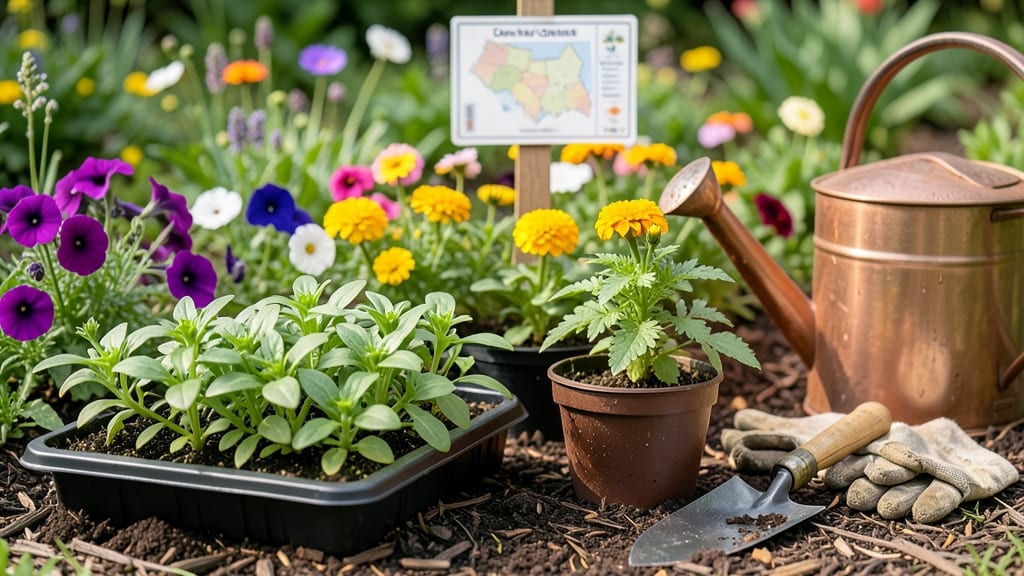
Planting annuals in Connecticut at the wrong time can turn your garden dreams into a sad, frost-killed memory—but knowing the perfect soil temperature tricks makes all the difference.
The last frost date isn’t everything; your annuals’ success hinges on when the ground warms up to 50°F or higher, especially in Zone 6a.
If you’ve ever rushed to plant marigolds or petunias only to watch them wilt under late frosts, you’re not alone.
The key is timing: most annuals thrive when soil hits 50°F, which in Connecticut usually lands between April 15 and May 15—but coastal areas warm faster than inland spots. Fall planting? Aim for August 1 to September 15 to beat the first frost.
I’ve tested these strategies for years, and the results speak for themselves: vibrant blooms, bountiful veggies, and zero frost casualties. Whether you’re a first-time gardener or a seasoned pro, these soil temperature secrets will help you extend your growing season with confidence.
Ready to transform your Connecticut garden? Let’s dive into the exact soil temps, microclimates, and tricks to keep your 🌸 annuals thriving—no matter what Mother Nature throws your way.
Connecticut’s annual planting zones by soil temperature (not just frost dates)
Connecticut’s USDA Zone 6a climate might suggest planting annuals after the last frost date, but soil temperature tells a more accurate story. While inland areas like Hartford may hit 50°F soil by mid-April, coastal regions like New Haven often wait until late April or early May.
Northern CT—think Litchfield Hills—can lag 1-2 weeks behind due to cooler microclimates. The key? Planting when the soil reaches the minimum temperature thresholds for your annuals, not just air temperature.
Most annuals need 50°F soil to germinate, but cold-hardy varieties like pansies and snapdragons can handle 40°F. Heat-loving plants such as marigolds and basil won’t thrive until soil hits 60°F.
Ignoring these thresholds means risking stunted growth, poor germination, or even death from soil-borne diseases in cold, damp conditions. For example, planting tomatoes at 50°F soil might work in coastal CT, but inland areas should wait until 60°F for consistent success.
Regional variations in Connecticut create three distinct planting zones:
- Coastal CT (New Haven, Stamford): Warmer soils earlier due to moderating ocean breezes.
- Inland CT (Hartford, New Britain): Typical USDA Zone 6a with average frost dates.
- Northern CT (Litchfield, Torrington): Cooler soils, often 1-2 weeks later than coastal areas.
To check your soil temperature, use a soil thermometer (insert 2-3 inches deep) in the morning. Coastal gardeners can start cold-hardy annuals like pansies or snapdragons as early as mid-April, while inland areas should wait until late April.
Northern CT gardeners might not see 50°F soil until early May. For heat-loving annuals like tomatoes or peppers, wait until soil hits 60°F, which typically occurs in late May across most of the state.
Microclimates play a huge role too. A south-facing slope warms up faster than a north-facing garden bed, so you can plant 1-2 weeks earlier in sunny spots. Urban areas with concrete or pavement also heat up quicker, creating pockets where you can extend your planting season.
Conversely, low-lying areas or wooded gardens stay cooler longer, delaying planting by 10-14 days.
For fall planting, aim to sow seeds or transplant annuals 8-10 weeks before the first frost (typically mid-September for coastal CT, early September inland, and late August in northern regions).
Use a soil thermometer to confirm the soil is still above 50°F—cooler soils slow germination and can lead to rot or disease. Fast-growing annuals like bush beans or radishes are great choices for fall, while slower growers like zinnias may not have time to mature.
Pro tip: If you’re eager to plant earlier, use black plastic mulch or row covers to warm the soil by 5-10°F. This trick lets you plant cold-sensitive annuals like basil or impatiens 2-3 weeks earlier in spring. Just remove the covers
5 Soil temperature tricks to extend your Connecticut annual planting season
Connecticut’s variable frost dates can feel like a gardener’s worst enemy, but soil temperature holds the key to pushing your planting season earlier or later.
By focusing on soil warmth instead of just air temperature, you can give heat-loving annuals like tomatoes and peppers a head start—or protect cool-season crops from late frosts. These tricks let you bend the rules of traditional planting windows while keeping your garden thriving.
Most gardeners wait for the last frost date (around April 15 in CT), but soil temperature tells a different story. For example, marigolds and nasturtiums can handle 40°F soil, while tomatoes and basil need at least 50°F to thrive.
By using simple tools like row covers or black plastic mulch, you can create microclimates that let you plant 2-4 weeks earlier or extend the season into fall.
- 1. Use row covers for 40°F soil to plant cool-season annuals like pansies and lettuce 2 weeks earlier.
- 2. Install black plastic mulch to warm soil to 60°F+ and plant tomatoes and peppers 3 weeks ahead.
- 3. Set up cold frames to maintain 50°F+ soil and extend fall planting into October.
- 4. Try soil warming cables under containers to grow tender annuals like basil in early spring.
- 5. Mulch with straw to insulate soil temperature and protect late-season blooms from frost.
One of my favorite tricks is using row covers—lightweight fabric that traps heat and protects seedlings from light frosts. I’ve planted calendula and snapdragons as early as mid-April under covers, even when the soil was still 45°F.
These plants tolerate cooler temperatures and reward you with earlier blooms and a longer display. Just remember to remove covers when flowers appear to prevent overheating.
For heat-loving annuals, I swear by black plastic mulch. Laying it down a week before planting raises soil temperature by 10-15°F, letting me plant tomatoes and peppers by mid-May instead of waiting until June.
Pair this with drip irrigation to keep the soil moist—dry mulch won’t warm as effectively. This method also suppresses weeds and retains moisture, reducing my watering chores.
If you’re eager to extend your fall garden, a cold frame is a game-changer. These mini greenhouses create a stable 50°F+ environment even when nighttime temps drop. I’ve grown spinach and kale well into November using this trick.
For flowers, pansies and sweet alyssum thrive in cold frames, giving you color through the first frost. Just ventilate during warm days to prevent fungal issues.
For container gardeners, soil warming cables are a lifesaver. These electric cables (placed under pots) can raise soil temperature by 20°F, letting you grow basil and petunias weeks before traditional planting time.
I use them for early spring containers and late fall window boxes. Pair them with heat-loving annuals like geraniums for a year-round display.
Finally, don’t underestimate the power of mulch. A thick layer of straw or shredded leaves insulates soil, keeping it 5-10°F warmer in spring and cooler in summer. I mulch around late-season annuals like cosmos and zinnias to protect their roots from temperature swings.
This simple trick can mean the difference between a frost-killed plant and one that blooms until October. 🌿