
Plants
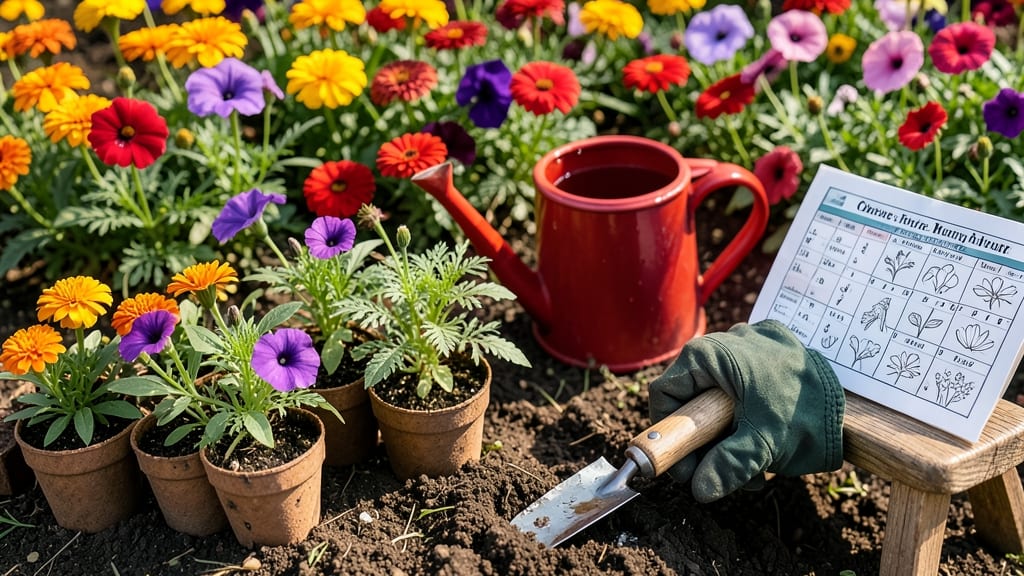
Timing when to plant annuals in Ohio just right means the difference between a garden that bursts with 🌸 blooms all summer and one that fizzles out before the heat sets in.
Plant too early, and a late frost will wipe out your tender seedlings; too late, and you’ll miss peak blooms or harvests. The key? Knowing your county’s last frost date—and when to adjust for Ohio’s famously fickle weather.
Ohio’s 6a zone spans from southern counties where soil warms by mid-April to northern regions where frost lingers until late May. That’s a month-long window that can make or break your garden.
Whether you’re sowing marigolds for pollinators or snap peas for a crisp spring salad, getting the timing right ensures your annuals thrive from the moment they hit the dirt.
I’ve spent years testing what works in Ohio’s climate, and the secrets don’t stop at frost dates. You’ll also learn how to stretch your growing season with row covers, pick the hardiest annuals for your area, and avoid the 3 biggest mistakes Ohio gardeners make when planting.
Let’s get your garden on track for a season of color, flavor, and success.
From cool-loving pansies to heat-loving sunflowers, this guide covers everything you need to know to plant with confidence. Whether you’re a first-time gardener or a seasoned pro, mastering these deadlines will transform your Ohio garden into a year-round showstopper.
Ohio’s last frost dates by county: critical planting windows for annuals
Ohio’s last frost dates vary dramatically from the southern tip to the northern border, creating a planting timeline that can confuse even experienced gardeners.
In southern Ohio, like in Lawrence County, you might see mid-April frost-free conditions, while northeastern Ohio, such as Ashtabula County, often waits until late May.
These differences mean your annual flowers and vegetables must be planted at the right time—or risk frost damage or missed blooms.
Understanding these county-specific deadlines helps you align your planting schedule with Ohio’s USDA Zone 6a climate. Cool-season annuals, like pansies and lettuce, can handle light frosts and should go in as early as March in warmer regions.
Meanwhile, heat-loving plants, such as tomatoes and marigolds, need to wait until after the last frost to avoid wilting or stunted growth.
Below is a comparison table of Ohio’s last frost dates by region, along with ideal planting windows for both cool-season and warm-season annuals. These dates are based on Ohio State University Extension data and local gardening records, ensuring you can plan with confidence.
🌱
| County | Avg Last Frost | Cool-Season Annuals (Plant By) | Warm-Season Annuals (Plant After) | Notes |
|---|---|---|---|---|
| Lawrence, Scioto, Adams | Mid-April (April 15) | Early March (hardy types) | Mid-April (after frost) | Longest growing season |
| Franklin, Clark, Champaign | Late April (April 22) | Mid-March (with protection) | Late April (soil at 60°F) | Urban heat islands delay frost |
| Cincinnati Metro (Hamilton, Butler) | Early April (April 8) | Late February (frost-tolerant) | Early April (after frost) | Microclimates vary by neighborhood |
| Columbus (Delaware, Fairfield) | Late April (April 25) | Early March (with row covers) | Late April (soil warm) | Moderate frost risk |
| Toledo (Lucas, Wood) | Early May (May 5) | Late March (protected) | Early May (soil 65°F) | Lake-effect delays frost |
| Cleveland (Cuyahoga, Lorain) | Late May (May 15) | Early April (with frost cloth) | Late May (soil 70°F) | Highest frost risk |
| Youngstown (Mahoning, Trumbull) | Early May (May 10) | Late March (hardy types) | Early May (after frost) | Mountain valleys trap cold |