
Trees
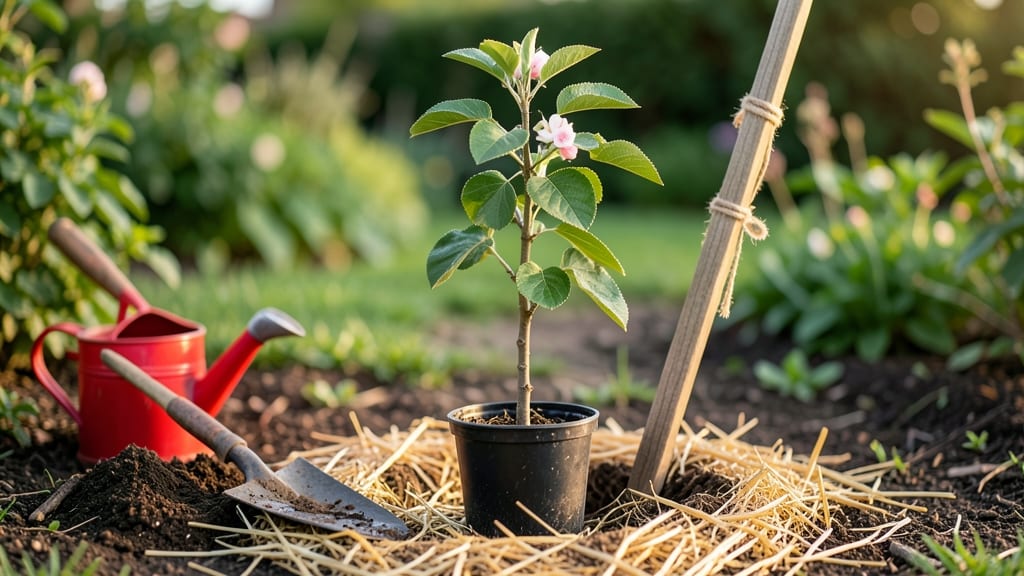
Planting an Apple Tree 🍎 in Alabama at the wrong time can turn your dream orchard into a sad investment—think weak roots, poor fruit, or even tree failure.
But timing it right means decades of crisp, homegrown apples, and Alabama’s unique climate (USDA zones 7a-8b) actually makes this easier than you’d think.
Most gardeners assume spring is the only window, but Alabama’s mild winters and late frosts create a 6-week planting sweet spot—from late February through early March—that gives young roots time to establish before summer heat.
This isn’t just about avoiding frost; it’s about working with Alabama’s heavy clay soil and humidity to give your tree the best possible start.
I’ll break down exactly when to plant based on your specific zone, whether you’re using bare-root saplings or container-grown trees, and how to prep your soil for Alabama’s tricky conditions. Plus, I’ll share the one critical mistake I see Alabama gardeners make that stunts growth—and how to avoid it.
Ready to plant with confidence? Let’s get your Apple Tree 🍎 off to a strong start with these Alabama-proven tips.
Alabama’s best planting months by USDA Zone (7b vs 8a)
Alabama’s USDA zones 7b and 8a create distinct planting windows for apple trees, where timing directly impacts root growth and winter survival. In Zone 7b (northern Alabama), the last frost typically arrives around March 15, while Zone 8a (southern Alabama) enjoys a 2-3 week later frost date.
Planting too early risks rot from cold, wet soils, while waiting too long delays root establishment before dormancy.
For both zones, the ideal window spans late February to early April, aligning with soil temperatures above 45°F (7°C). Bare-root trees thrive when planted before buds swell, while container-grown trees offer more flexibility.
Alabama’s clay-heavy soils require amending with compost to improve drainage—a critical factor for young roots.
Here’s how the planting windows differ by zone, including key considerations for soil prep and frost risks:
| Factor | USDA Zone 7b (Northern AL) | USDA Zone 8a (Southern AL) |
|---|---|---|
| Best Planting Window | Late February–early March | Mid-March–early April |
| Soil Temperature | 45–50°F (7–10°C) | 50–55°F (10–13°C) |
| Last Frost Date | March 15 (±5 days) | March 30 (±5 days) |
| Critical Risk | Late frosts after planting | Heat stress in May |
| Root Establishment Goal | 6–8 weeks before dormancy | 8–10 weeks before dormancy |
| Soil Prep Tip | Add compost + gypsum to break clay | Test pH (6.0–6.5); amend with lime if needed |
In Zone 7b, prioritize planting bare-root trees in February to avoid spring rains that can suffocate roots. Zone 8a’s warmer climate allows container-grown trees to be planted until early April, but avoid May heat, which stresses young roots.
For both zones, mulch heavily (4–6 inches) with wood chips to insulate roots and retain moisture during Alabama’s humid summers.
Alabama’s humidity and pests (like fire blight) demand extra vigilance. Plant resistant varieties like ‘Anna’ or ‘Dorsett Golden’ and avoid overhead watering after planting to reduce disease risk.
In Zone 7b, prune lightly in late winter to encourage airflow, while Zone 8a trees benefit from summer pruning to manage heat stress.
If you miss the ideal window, fall planting is possible in Zone 8a (October–November) but requires extra mulch and winter watering to protect roots. Zone 7b’s colder winters make fall planting risky. Always check local frost dates—Alabama’s microclimates can vary by 10–14 days even within a zone.
For container-grown trees, plant anytime except extreme heat (above 90°F/32°C), but aim for early spring to maximize root growth before summer. Water deeply 2–3 times per week for the first month, then taper to weekly deep watering once established.
Alabama’s clay soils dry slowly, so monitor moisture 2 inches below the surface.
Pro tip: Use a soil thermometer to confirm temperatures—below 45°F (7°C) delays root growth, while above 60°F (15°C) can cause transplant shock. In Zone 7b, plant on a cloudy day to reduce stress; Zone 8a’s sunnier climate allows daytime planting with afternoon shade.
Remember, Alabama’s apple trees need 3–4 years to bear fruit, so root establishment now determines long-term success. By following these zone-specific deadlines, you’ll set your orchard up for decades of harvests—not just survival.
Signs your Alabama apple tree planting timing is perfect (or wrong)
Planting your apple tree in Alabama at the wrong time can lead to root rot from soggy soil or weak growth before winter. The key is planting when the tree can establish roots in 50-60°F soil—warm enough to prevent rot but cool enough to avoid stress.
In USDA Zone 7b, this window is tighter than in Zone 8a, where you have a few extra weeks.
Start by checking your local frost dates. Alabama’s last frost typically occurs around mid-March, but microclimates near rivers or hills can delay frost by 1-2 weeks. Planting too early (before February) risks cold snaps, while waiting until April may mean your tree struggles to root before dormancy.
⚠️ WARNING: Planting Too Early or Too Late
Too Early: Soil temps below 50°F cause root rot and fungal diseases. Look for swollen buds—this means you’ve waited too long!
Too Late: Planting after April 15 in Zone 7b or May 1 in Zone 8a delays root growth, leaving trees vulnerable to winter desiccation.
Perfect Timing: Bare-root trees should go in late February to early March; container-grown trees can wait until March 15-April 15.
Test your soil temperature with a soil thermometer at a 6-inch depth. Aim for 50-60°F—this is the sweet spot for root establishment. In Alabama’s clay-heavy soils, warmth lingers longer, so Zone 8a gardeners can plant up to 2 weeks later than those in Zone 7b.
Examine the apple tree’s buds before planting. If they’re still tight and dormant, you’re in the ideal window. But if buds are swollen or green, you’ve missed the boat—the tree will stress trying to grow in cool soil.
For container-grown trees, check the root ball; if roots are circling, plant immediately to avoid transplant shock.
Consider your microclimate. Trees planted in low-lying areas may experience late frosts, while those on south-facing slopes warm up faster. In humid Alabama summers, planting in partial shade (like near a fence) can buy you an extra week before stress sets in.
After planting, monitor for leaf drop or yellowing foliage—signs of transplant shock. Mulch with 3 inches of wood chips to retain moisture and regulate soil temps. In Zone 7b, water deeply 2-3 times per week; in Zone 8a, reduce to once weekly once roots establish.