
Trees
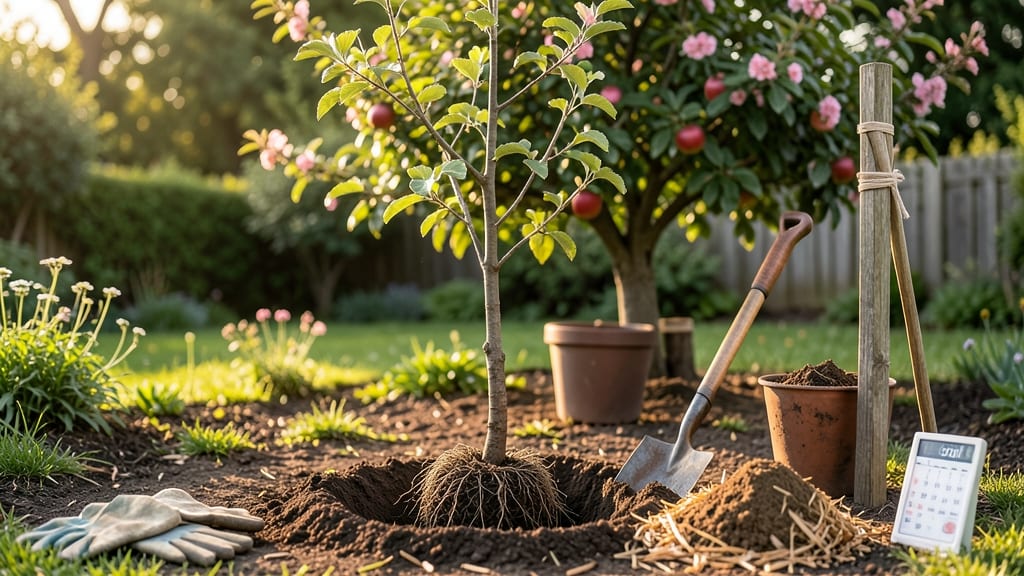
Planting an apple tree 🍎 in New Jersey isn't just about sticking a sapling in the ground—it's about timing it right to beat the state's unpredictable weather and give your tree the best shot at thriving.
Whether you're a first-time gardener or a seasoned grower, getting the planting window wrong can mean weaker roots, slower growth, or even lost investments.
In NJ's 6a-7b zones, the ideal times to plant are late winter through early spring or fall, but there's more to it than just picking a month. You'll want to avoid late frosts that can damage young trees, while also giving roots time to establish before winter sets in.
I'll break down exactly when to plant for maximum success, plus how to prep your soil like a pro.
What you'll discover is that fall planting offers unique advantages—like cooler temperatures and moist soil—that help roots settle in before winter dormancy. But spring planting has its perks too, especially if you're working with bare-root trees.
I'll walk you through both approaches, so you can choose what works best for your schedule and your garden's conditions.
Ready to grow a healthy, productive apple tree that will reward you with harvests for decades? Let's dive into the exact planting timeline, soil prep steps, and cold-hardy varieties that thrive in New Jersey's climate—so you can enjoy fresh-picked apples straight from your backyard.
Best planting windows for apple trees in NJ: month-by-month guide
New Jersey’s USDA zones 6a-7b create a unique challenge for planting apple trees—too early and you risk late frosts, too late and roots struggle to establish before winter. The key is timing your planting to align with the tree’s dormancy cycle while avoiding extreme heat or cold stress.
Whether you’re planting bare-root saplings or container-grown trees, understanding NJ’s seasonal patterns will set your apple tree up for success.
Fall planting—typically October through November—is my top recommendation for NJ gardeners. This window allows roots to establish before winter dormancy while avoiding the summer heat stress that can shock young trees.
Spring planting (late February to April) works too, but requires careful monitoring of frost dates, which can vary by 1-2 weeks across NJ’s northern and southern regions.
Here’s the critical month-by-month breakdown, including soil prep timing and what to watch for in each season:
For northern NJ (zones 6a), I recommend sticking to October planting or early spring (late March) to avoid the harsher winters and later frost dates.
Southern NJ (zones 7a-7b) has more flexibility, allowing for November planting or even early December for container-grown trees, as long as the ground isn’t frozen. Always check your local Cooperative Extension Service for last frost dates—these can shift by 1-2 weeks year to year.
If you’re planting in spring (March-April), prioritize bare-root trees over container-grown varieties, as they establish 30-50% faster in cooler soil. For container-grown trees, early spring (March) is safer than late spring, as the roots won’t dry out as quickly.
Mulch heavily with wood chips or straw to protect roots from temperature swings and retain moisture during NJ’s humid summers.
One common mistake I see is planting apple trees in summer (June-August), when NJ’s heat and humidity can stress young roots. If you miss the fall or spring windows, your
Top cold-hardy apple varieties for NJ gardens & their ideal planting months
New Jersey’s USDA zones 6a-7b demand apple varieties that can handle winter chill and humid summers. The right cultivar ensures fruit quality and disease resistance, while planting at the right time maximizes root establishment before harsh weather hits.
I’ve narrowed down the best options for NJ gardens—each chosen for their cold tolerance, pest resistance, and harvest timing.
Timing is everything when planting apple trees in NJ. Fall planting (October-November) lets roots establish before winter dormancy, while early spring (March-April) avoids late frosts. Below, I’ve matched top varieties with their ideal planting windows to help you plan for a thriving orchard.
The key is balancing root growth with above-ground development—especially critical in NJ’s variable climate.
Comparison Table: Best Cold-Hardy Apple Varieties for NJ Gardens
| Variety | Cold Hardiness | Disease Resistance | Best Planting Month | Harvest Time |
|---|---|---|---|---|
| Liberty | Zone 4 (-30°F) | High (fire blight, scab) | March-April or October | Late September |
| Cortland | Zone 5 (-20°F) | Moderate (scab, rust) | October-November | October |
| Honeycrisp | Zone 4 (-25°F) | Good (scab, mildew) | March-April | Late September |
| Jonathan | Zone 5 (-20°F) | Moderate (fire blight) | October | October-November |
| McIntosh | Zone 4 (-30°F) | Low (scab, rust) | March-April | Late August |
For NJ gardeners, 'Liberty' stands out as the most disease-resistant option, thriving even in humid summers. Its late September harvest also aligns perfectly with NJ’s first frost dates, reducing rot risk.
Planting in March-April gives roots time to establish before summer heat, while fall planting in October avoids late-season pests like codling moths.
'Honeycrisp' is another top pick, though it requires well-drained soil to prevent root rot—a common issue in NJ’s clay-heavy soils. I recommend amending planting holes with compost and sand to improve drainage. This variety’s crisp texture and sweet-tart flavor make it worth the extra care, especially if you plant in early spring when soil temperatures are ideal for root growth.
If you prefer fall-harvested apples, 'Cortland' and 'Jonathan' are excellent choices. Both handle NJ’s late frosts well and produce reliable yields. For fall planting (October-November), these varieties benefit from winter chill, which helps break dormancy in spring.
Just be sure to mulch heavily around the base to protect roots from freeze-thaw cycles common in NJ winters.
No matter which variety you choose, soil preparation is critical. NJ’s clay soils can suffocate roots, so I always test pH (6.0-7.0 ideal) and mix in organic matter like compost or aged manure.
Pair this with proper planting depth—roots should sit just 2 inches below soil level—and you’ll set your apple tree up for lifelong success.