
Plants
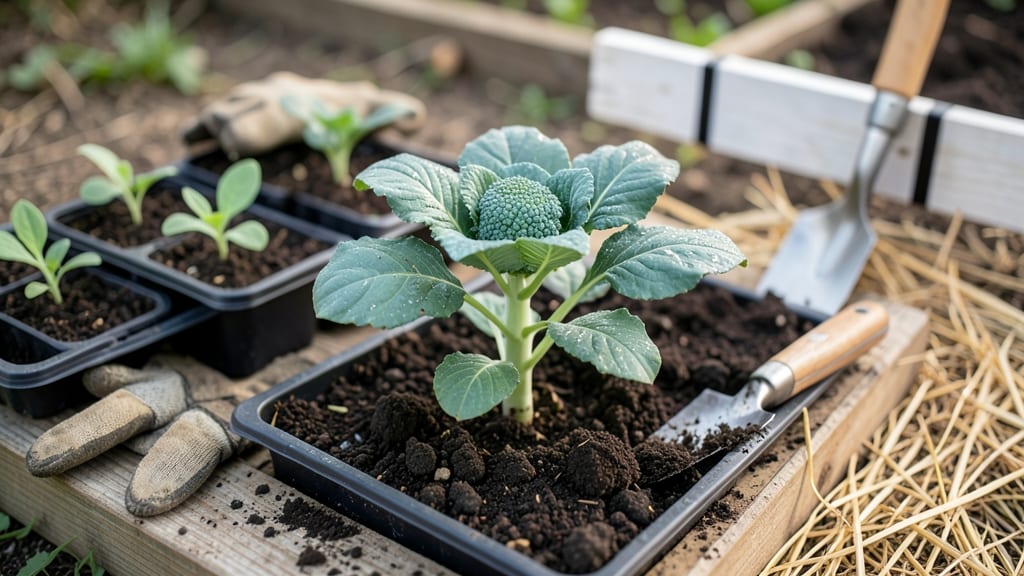
Planting broccoli 🥦 in New Jersey isn’t just about throwing seeds in the dirt—it’s about mastering the timing to avoid bitter surprises like bolting or stunted growth.
With NJ’s unpredictable swings from frost to heat, getting those seeds in the ground at the right moment means the difference between a bountiful harvest and disappointment.
I’ve learned the hard way that broccoli thrives in two distinct windows: spring and fall, each with its own tricks. Skip the guesswork and plant too early, and you’ll battle frost; too late, and your plants might bolt before they even form heads.
The key? Knowing exactly when to start—whether you’re in coastal Atlantic City or inland Trenton—so your broccoli matures just as the weather cooperates.
What if I told you mid-March to early April is your golden ticket for spring plantings, while late July to early August sets the stage for a fall harvest? These aren’t random dates—they’re based on NJ’s 6a-7b climate zones, soil temperatures, and the last frost dates that actually matter.
Let’s break down the exact schedule so you can grow broccoli like a pro, no matter where you garden in the Garden State.
Ready to skip the trial-and-error? You’ll also discover how to prep your soil, choose the right varieties, and even avoid common pitfalls like bolting—so you can enjoy fresh, homegrown broccoli from May through October. Let’s get those seeds in the ground the smart way.
Best planting windows for broccoli in New Jersey’s climate zones
New Jersey’s 6a-7b climate zones create a unique growing window for broccoli, where cool springs and mild falls extend the harvest season. Unlike warmer regions, NJ gardeners can successfully grow broccoli in both spring and fall, but timing is critical to avoid bolting or stunted growth.
The key is planting when soil temperatures hover between 40°F and 85°F, with mature plants tolerating light frosts down to 25°F.
For spring planting, start seeds indoors 4-6 weeks before your last frost date (typically mid-April in most of NJ). Coastal areas like Cape May may see frost 1-2 weeks later than inland regions like Newark.
Fall plantings should begin 90-120 days before the first frost (usually mid-October), with seeds sown directly outdoors in late July to early August.
Broccoli thrives in NJ’s two distinct growing seasons: a spring crop harvested in May-June and a fall crop ready by September-October. The transition between seasons—when temperatures fluctuate—is when most gardeners struggle.
For example, planting too early in spring risks exposure to late frosts, while fall plantings must avoid early heat waves that trigger bolting.
Here’s how NJ’s microclimates affect planting:
- Coastal (Zone 7a-7b): Longer growing season; extend fall planting to early September
- Inland (Zone 6a-6b): Shorter season; prioritize early spring plantings
- Northern NJ (Zone 6a): Focus on cold-hardy varieties like ‘Waltham 29’
For spring plantings, aim to transplant seedlings outdoors when soil temperatures reach 45°F and nighttime temperatures stay above 35°F. In NJ, this typically aligns with late March to early April. Use row covers for early plantings to protect against late frosts, which can damage young plants.
Coastal areas like Cape May may push this window to early April, while inland regions like Morris County should wait until mid-April.
Fall plantings require earlier sowing to ensure heads mature before frost. Direct-sow seeds 8-10 weeks before the first frost (usually late July for most of NJ). For a second fall crop, try succession planting in early August with faster-maturing varieties like ‘Green Magic.’
Always monitor soil moisture during fall, as dry spells can stress plants and reduce yields.
One critical NJ-specific tip: Avoid planting broccoli in early spring if daytime temperatures exceed 75°F, as this triggers bolting. Similarly, fall plantings should stop by mid-August in northern NJ to allow enough time for head formation before frost.
Use a soil thermometer to confirm ideal planting conditions—broccoli roots thrive in 50°
How to avoid bolting: NJ-specific tips for cold-hardy broccoli
Bolting is every New Jersey gardener’s nightmare—especially when you’re growing broccoli 🥦 in unpredictable spring weather. Those long, bitter stems appear when plants sense heat or drought stress, and once broccoli bolts, your harvest window shrinks dramatically.
The good news? With the right strategies, you can keep your plants focused on growing heads instead of flowers.
NJ’s climate swings from frost to sudden warmth make bolting a real risk, but cold-hardy varieties and smart planting techniques can help. For example, Waltham 29 and De Cicco are proven winners in our state—they tolerate cooler temps and resist bolting better than many hybrids.
Pair these with the right soil prep, and you’ll be well on your way to a bountiful harvest.
⚠️ callout warning
- Heat waves above 80°F
- Drought stress (even 2-3 dry days)
- Overcrowded plants competing for nutrients
- Late spring plantings (after April 15)
Succession planting is your first line of defense against bolting. Instead of planting all your broccoli seeds at once, stagger them every 2 weeks from mid-March through early April. This ensures a continuous harvest and reduces the risk of all plants bolting simultaneously.
For example, plant half your seeds in late March and the rest in early April—this way, your earliest plants mature before the heat peaks.
Soil pH plays a critical role in broccoli’s ability to resist bolting. Test your soil and aim for a pH between 6.0 and 7.0. If your soil is too acidic (below 6.0), add lime in the fall; if it’s alkaline (above 7.0), mix in sulfur or compost.
Well-balanced soil helps plants absorb nutrients efficiently, keeping them strong and focused on head development instead of bolting.
Don’t overlook the power of mulch and consistent watering. Apply a 2-3 inch layer of organic mulch (straw or shredded leaves) to retain moisture and regulate soil temperature. Water deeply once a week (1-1.5 inches) rather than daily shallow watering.
This prevents drought stress, a major bolting trigger. For extra protection, use drip irrigation to deliver water directly to the roots without wetting the leaves.
Finally, keep an eye on your plants for early signs of bolting, like tall stems with yellow flowers or loose heads. If you catch it early, you can still harvest the side shoots (sprouts) for a second crop. For post-planting care, use this quick checklist:
- ☑️ Test soil pH (aim for 6.0-7.0)
- ☑️ Mulch to retain moisture
- ☑️ Water deeply 1-2x/week
- ☑️ Monitor for pests (cabbage worms!)
- ☑️ Harvest heads promptly