
Plants
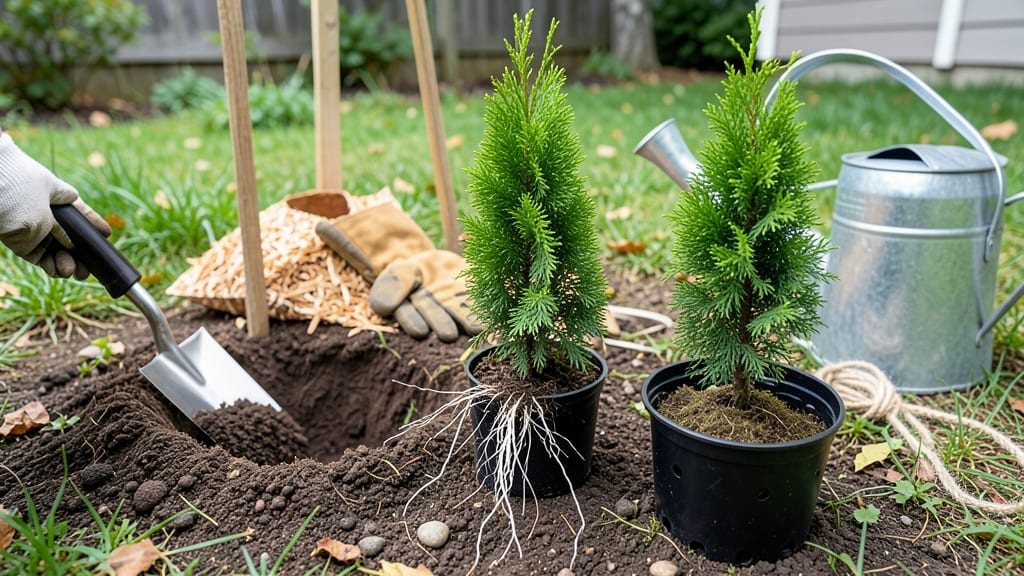
Planting arborvitae in Michigan at the wrong time can turn your 🌲 investment into a sad, stunted shrub—if it survives at all. The key to thriving evergreens lies in understanding Michigan’s 5b-6b climate, where late spring frosts and early fall freezes force tough decisions about timing.
Most gardeners assume spring is the only safe window, but Michigan’s shorter growing season actually makes fall planting the smarter choice for many regions. The secret? Planting when soil stays warm enough for roots to establish before winter dormancy kicks in—typically between September and early October.
If you’re still debating spring, here’s the game-changer: Arborvitae planted in early spring (April) avoid frost damage but face summer drought risks. We’ll break down which approach works best for your specific Michigan zone, plus soil prep tricks to give your trees the fighting chance they need.
Ready to stop guessing and start planting with confidence? Let’s dive into the exact timing, soil conditions, and care steps that’ll have your arborvitae growing strong for decades—no matter where in Michigan you live.
Optimal arborvitae planting windows in Michigan: spring vs. fall breakdown
Michigan’s Zone 4-6 climate creates a tight window for planting arborvitae, where late frosts in spring and early freezes in fall can derail success. Unlike warmer climates, arborvitae need 6-8 weeks of root establishment before winter dormancy.
In Michigan, this means spring (April-May) or early fall (September-October) are your safest bets—but each season has unique challenges.
Spring planting gives arborvitae a full growing season to establish roots before winter, but late frosts (common until mid-May in the Upper Peninsula) can damage tender new growth. Fall planting, on the other hand, avoids summer heat stress but risks early freezes (as early as mid-October in northern Michigan).
The key is matching your planting timeline to your microclimate—whether you’re in Detroit’s Zone 6b or Marquette’s Zone 4b.
| Factor | Spring Planting (April-May) | Fall Planting (September-October) |
|---|---|---|
| Best Time | After last frost (early May in LP, late May in UP) | 6-8 weeks before first frost (early Sept in UP, late Sept in LP) |
| Soil Temp Threshold | 50°F+ (consistent) | 60°F+ (roots need warmth) |
| Root Establishment Window | 8-10 weeks before winter | 6-8 weeks before dormancy |
| Watering Needs | High (weekly deep watering) | Moderate (bi-weekly) |
| Climate Risks | Late frosts, drought stress | Early freezes, deer browsing |
| Best For | Fast establishment, full-season growth | Avoiding summer heat, steady root growth |
For spring planting, aim for early May in the Lower Peninsula or late May in the Upper Peninsula—after the average last frost date. Soil temperatures should stay above 50°F consistently to prevent root shock.
If you plant too early, use frost cloth to protect young shoots until temperatures stabilize. In Zone 6b (southern Michigan), you can push planting to mid-May, but Zone 4b (northern Michigan) demands patience until late May.
Fall planting offers a quieter season with cooler temperatures, but timing is critical. Plant 6-8 weeks before your first frost—typically early September in the Upper Peninsula and late September in the Lower Peninsula.
Arborvitae need time to establish roots before winter dormancy, so avoid planting in October unless you’re in Zone 6b with a late frost date. A good rule of thumb: plant by Labor Day in northern Michigan and by mid-September in southern regions.
Microclimates play a huge role in Michigan. Urban areas like Detroit or Grand Rapids experience urban heat islands, which can delay frost dates by 1-2 weeks compared to rural areas. Conversely, lake-effect snow belts (like near Lake Michigan) may see earlier freezes.
Check your local USDA Zone and add 2-3 weeks of buffer time for planting. For example, if your frost date is October 15, plant by September 1 to ensure roots harden before winter.
One often-overlooked factor is soil moisture. Michigan’s heavy clay soils (common in the southern half) can become waterlogged in spring, while sandy loams (northern regions) dry out quickly in fall.
Amend your soil with compost or peat moss to improve drainage and moisture retention. If planting in fall, focus on well-draining sites
5 Critical factors to check before planting arborvitae in Michigan
Before you dig in, Michigan’s Zone 5b-6b climate demands extra prep work for arborvitae success. The wrong soil or timing can leave your 🌲 struggling for years. Start by testing your soil’s pH level—arborvitae thrive in acidic soil (pH 6.0-7.0).
If your yard’s soil is alkaline, amend it with sulfur or peat moss before planting.
Next, check your local frost-free dates. Northern Michigan’s Upper Peninsula may have 140 frost-free days, while southern counties like Wayne enjoy 180+ days. Planting too early in cold regions risks frost damage to tender roots, while late planting in warm zones can stress young trees before winter.
Now for the plant selection: Michigan’s nurseries offer both bare-root and containerized arborvitae. Containerized plants (potted) are easier to handle and have established roots, making them ideal for fall planting. Bare-root plants are cheaper but require immediate watering and soil contact to prevent root desiccation.
✅ Critical Pre-Planting Checklist for Michigan Arborvitae
- Soil pH Test: Aim for 6.0-7.0 (use lime to raise pH or sulfur to lower it).
- Frost-Free Dates: Plant 4-6 weeks before first frost (check USDA Zone Map for your county).
- Plant Type: Choose containerized for fall or bare-root for spring (handle roots carefully!).
- Soil Amendments: Mix 20% compost into heavy clay or sandy loam to improve moisture retention.
- Planting Window: April-May (spring) or September-October (fall)—avoid summer heat stress.
Pro Tip: Water deeply after planting to settle soil and eliminate air pockets around roots.
Michigan’s heavy clay soils in the Lower Peninsula or sandy loam in the Upper Peninsula both need pre-conditioning. For clay, till in 3-4 inches of compost to improve drainage.
Sandy soils benefit from peat moss or coconut coir to retain moisture. Always dig a hole twice as wide as the root ball to encourage outward root growth.
Finally, time your planting with Michigan’s moisture patterns. Spring planting in April-May gives roots time to establish before summer drought, while fall planting in September-October lets trees focus on root growth before winter dormancy. Avoid planting in late summer (July-August) when heat stress peaks.
With these five factors checked, your arborvitae will have the best shot at thriving in Michigan’s climate—whether you’re in Detroit’s Zone 6b or Marquette’s Zone 4b. The key is preparation, not luck. Happy planting! 🌱