
Plants
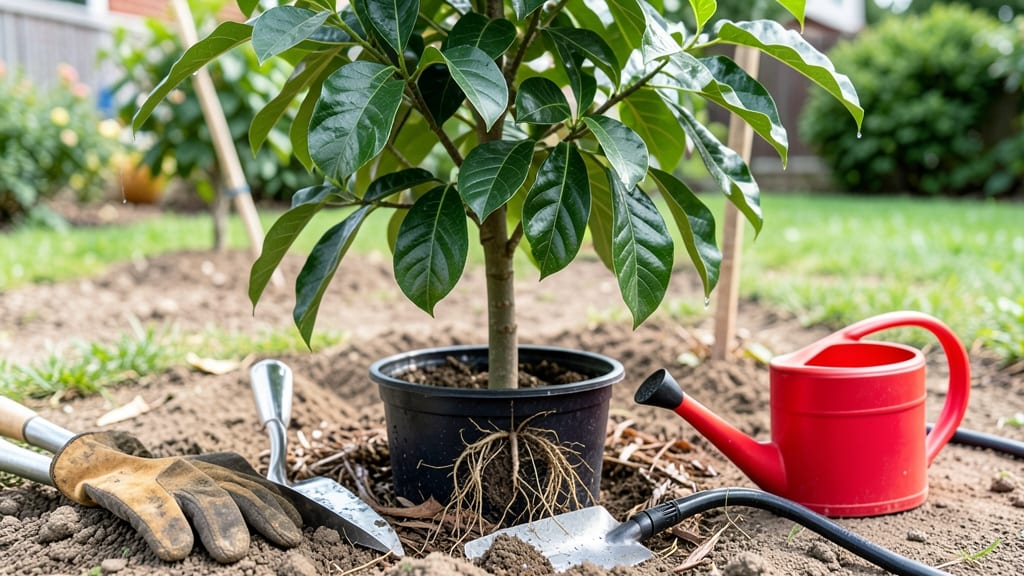
Planting an avocado tree 🥑 in Florida might seem simple—after all, frost isn’t a concern—but timing can make or break your tree’s success. The wrong month could mean struggling growth, poor root establishment, or even failure to thrive in Florida’s humid climate.
If you’re eager to grow your own avocados, the best time to plant depends on where you live in the state. Coastal areas like Miami or Fort Lauderdale offer year-round planting flexibility, while inland zones near Orlando or Tampa benefit from cooler spring or fall conditions.
Let’s break down the ideal windows to set your tree up for long-term success.
You’ll discover how to avoid common pitfalls, like planting too early in inland heat or ignoring soil drainage—a critical factor in Florida’s rainy season. Whether you’re starting from a seed or transplanting a young tree, these insights will help you skip the guesswork and get it right the first time.
From soil prep to post-planting care, I’ll walk you through every step to ensure your avocado tree grows strong and healthy—no matter which part of Florida you call home.
Best planting months for avocado trees in Florida by region
Florida’s frost-free climate lets you plant avocado trees year-round, but timing still matters for survival. Coastal areas like Miami and Fort Myers have higher humidity and warmer winters, while inland zones like Orlando face hotter summers and drier conditions.
Planting at the wrong time can stress young trees, leading to slow growth or even death.
Avocado trees thrive best when planted during cooler months to reduce transplant shock. In South Florida (Zone 10-11), the ideal window is January through April, avoiding the peak summer heat.
Meanwhile, Central Florida (Zone 9) benefits from February to March planting, while North Florida (Zone 8) should wait until March to May to escape late frosts.
Soil temperature is critical—avocado roots need 60°F+ soil to establish. Coastal areas hit this mark earlier, while inland zones may need to wait until spring. Always check local frost dates, even in Florida, as microclimates can vary drastically.
Humidity also plays a role. Coastal regions with 80%+ humidity require more frequent watering post-planting, while inland areas with lower humidity need well-draining soil to prevent root rot. Adjust your approach based on where you live.
Here’s a quick region-by-region guide to help you pick the perfect planting window:
| Region | Best Planting Months | Soil Temp Requirement | Key Considerations |
|---|---|---|---|
| South Florida (Miami, Key West) | January–April | 60°F+ (year-round) | High humidity; avoid summer planting |
| Central Florida (Orlando, Tampa) | February–March | 65°F+ | Moderate humidity; watch for summer heat |
| North Florida (Jacksonville, Gainesville) | March–May | 70°F+ | Drier climate; prioritize drainage |
| Coastal Inland (St. Petersburg, Daytona) | January–March | 62°F+ | Balanced humidity; avoid frost pockets |
For container-grown avocados, timing is less critical, but still plant in cooler months to reduce stress. Coastal areas can plant year-round, while inland zones should avoid summer heatwaves. Use well-draining pots and move containers to shaded areas during peak heat.
After planting, mulch heavily to retain moisture and regulate soil temperature. In coastal areas, use 3–4 inches of mulch, while inland zones benefit from 2–3 inches to prevent soil compaction. Water deeply 2–3 times per week for the first month, then taper to weekly deep watering.
Young avocado trees need 6+ months to establish roots. In South Florida, this means planting in January ensures strong growth before summer. Inland plantings in March avoid late frosts and give roots time to settle before summer’s intensity.
Monitor your tree’s leaf color—yellowing leaves signal overwatering or poor drainage, while drooping foliage means underwatering. Adjust care based on your region’s humidity and rainfall patterns to keep your avocado thriving.
With the right timing, your avocado tree can grow into a fruit-bearing giant in just a few years. Start with the perfect planting window, and you’ll set your tree up for success from day one. 🥑🌱
How to choose the perfect time based on microclimate and variety
Selecting the right time to plant your avocado tree in Florida isn’t just about the calendar—it’s about understanding your local microclimate and the specific needs of your avocado variety.
Florida’s diverse regions, from the humid coasts to the drier inland areas, create unique growing conditions that can make or break your tree’s success. For example, Hass avocados thrive in warmer zones, while Reed avocados tolerate slightly cooler temperatures better. Let’s break down how to align planting with these factors.
Your soil temperature is a critical factor, especially for young trees. Avocados prefer soil that stays above 60°F (15°C). In Florida’s coastal areas, like Miami or Fort Lauderdale, soil temperatures rarely drop below this threshold, making year-round planting possible.
However, in inland zones, such as Orlando or Gainesville, cooler winter nights can slow root growth. Planting in late winter or early spring (February to April) ensures your tree’s roots establish before the heat of summer arrives.
- 1. Variety Selection: Choose Hass for heat tolerance or Reed for cooler inland zones.
- 2. Soil Temperature: Aim for 60°F+ (15°C+) soil to avoid root stress.
- 3. Microclimate Adjustments: Coastal areas allow year-round planting; inland zones favor spring planting.
- 4. Urban Heat Islands: Cities like Miami or Tampa stay warmer—plant in fall to avoid summer stress.
- 5. Wind Exposure: Coastal winds can dry soil; use windbreaks or plant near fences.
If you’re planting in an urban heat island, like Miami or Jacksonville, the city’s higher temperatures can actually work to your advantage. These areas stay warmer year-round, reducing the risk of cold stress.
However, the intense heat can also dry out soil quickly, so planting in fall (September to November) allows your tree to establish roots before the hottest summer months.
For windy coastal areas, like the Florida Keys, consider planting near a windbreak or natural barrier to protect young, delicate roots from salt spray and drying winds.
Another critical factor is your local frost-free date. While Florida is frost-free, microclimates in higher elevations (like the Panhandle) can experience rare cold snaps. If you’re in these areas, wait until after the last frost date—typically mid-March—to plant.
For most of Florida, however, you can plant year-round, but timing still matters. Spring and fall remain the best windows because they offer moderate temperatures and consistent rainfall, reducing transplant shock.
Don’t overlook the importance of container planting if your yard has poor soil or drainage. Container-grown avocados can be planted at any time, but the soil mix must be well-draining and rich in organic matter.
If you’re moving a potted tree to the ground, do it during spring or fall to minimize stress. For direct planting, amend your soil with compost or peat moss to improve drainage, especially in Florida’s clay-heavy soils.
Finally, pay attention to your avocado tree’s growth stage. Bare-root trees should be planted during their dormant season, typically in late winter. Container-grown trees, however, can be planted anytime, but early spring or fall still offer the best conditions for root establishment.
By aligning your planting with these microclimate-specific factors, you’ll give your avocado tree the best possible start in Florida’s diverse growing zones. 🌿