
Plants
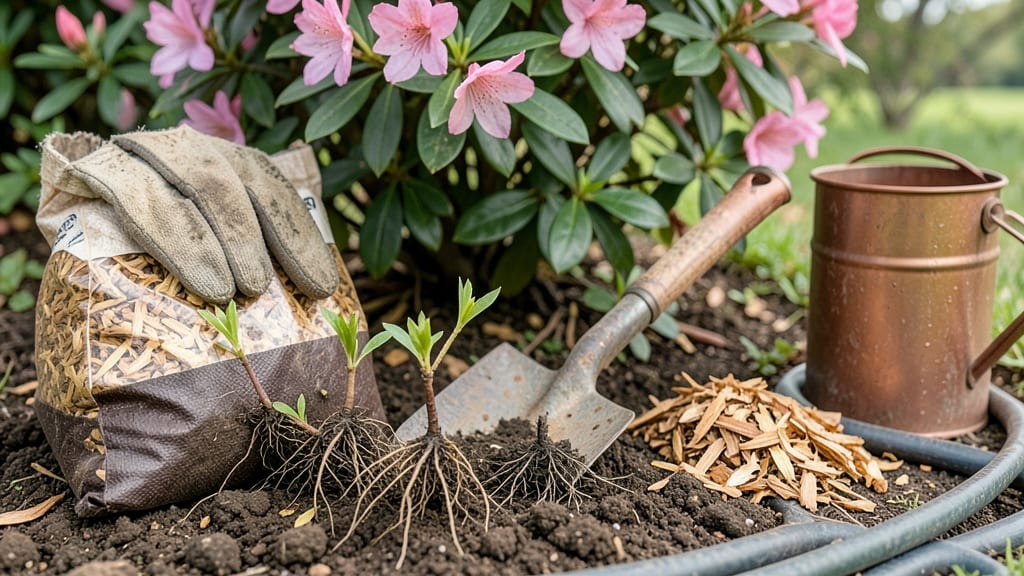
Planting azaleas at the wrong time in Atlanta can mean the difference between a vibrant, blooming shrub and a struggling one that never quite thrives. With USDA Zone 7b-8a’s warm winters and hot summers, timing is everything for these 🌸 beauties to take root and flourish.
Fall—specifically October through November—is the best window for planting azaleas in Atlanta. This gives roots time to establish before winter dormancy, setting your shrub up for strong growth come spring. But early spring (February to March) is also a solid option if you missed the fall window.
Whether you’re planting bare-root or container-grown azaleas, soil prep and seasonal cues matter. Acidic, well-draining soil and consistent moisture are key to avoiding transplant shock. Let’s break down the ideal planting schedule and care tips to ensure your azaleas bloom beautifully year after year.
Ready to transform your garden? I’ll walk you through the exact steps to plant azaleas at the perfect time, so you can enjoy their stunning flowers for seasons to come.
Best planting months for azaleas in Atlanta’s climate zones
Atlanta’s USDA Zone 7b/8a climate offers perfect conditions for azaleas, but timing your planting is critical. These acid-loving shrubs thrive when planted during their dormant periods, avoiding extreme heat or frost. The ideal windows are fall (October–November) and early spring (February–March), when soil temperatures are cool but not freezing.
Fall planting gives roots time to establish before winter, while spring planting ensures blooms appear in their first season. Soil temperatures below 70°F are ideal—any warmer, and roots struggle to adapt. Atlanta’s humid subtropical climate also means summer heat can stress newly planted azaleas, making timing even more important.
| Planting Window | Soil Temp Threshold | Seasonal Risk | Best For |
|---|---|---|---|
| October–November (Fall) | 50–65°F | Winter freezes | Root establishment |
| February–March (Spring) | 45–60°F | Late frosts | First-year blooms |
| September (Early Fall) | 70–75°F (risky) | Summer heat stress | Established plants only |
| April (Late Spring) | 65–70°F (risky) | Drought stress | Container-grown only |
For bare-root azaleas, fall planting is ideal—they establish roots before winter dormancy. Container-grown azaleas, however, can handle spring planting better since their roots are already established.
Always check for frost dates: Atlanta’s last frost is around March 15, so avoid planting after that if you want first-year blooms.
Atlanta’s urban microclimates can vary—southern exposures stay warmer longer, while northern areas cool faster. If planting in containers, adjust timing slightly later in spring to avoid frost damage. Mulch heavily after planting to retain moisture and protect roots from temperature swings.
One common mistake is planting azaleas in summer (June–August). The heat causes transplant shock, and roots can’t establish properly. If you must plant in summer, choose container-grown azaleas and keep them well-watered with afternoon shade. Even then, blooms may be sparse the first year.
After planting, focus on soil moisture and acidic conditions. Test your soil’s pH—azaleas need 4.5–6.0. If your yard’s soil is alkaline, amend with peat moss or sulfur. Water deeply 2–3 times per week for the first month, then taper to weekly deep waterings once established.
Fall-planted azaleas often bloom the following spring, while spring-planted ones may take a year to show flowers. Evergreen varieties like Rhododendron canescens handle fall planting better, while deciduous types like Rhododendron austrinum can adapt to either season. Always choose healthy, disease-free plants from local nurseries for the best success.
Remember, Atlanta’s humidity and heat can stress azaleas if not planted correctly. By following these seasonal guidelines, you’ll give your azaleas the best chance to thrive and reward you with vibrant blooms for years.
Fall vs. spring planting: which offers better success?
When deciding between fall and spring planting for azaleas in Atlanta, I always recommend fall as the superior choice. The cooler temperatures and increased rainfall from September to November create ideal conditions for root establishment before winter dormancy.
This head start means your azaleas will burst into bloom sooner and with more vigor.
Spring planting (March to April) can work, but it comes with risks. The hot Atlanta summers can stress newly planted azaleas, especially if they don’t establish strong roots before the heat sets in.
Plus, spring-planted azaleas often take a year to show their first blooms, while fall-planted ones may surprise you with flowers the following spring.
Moisture availability is another key factor.
Fall’s natural rainfall reduces the need for frequent watering, while spring often requires more manual irrigation to keep soil consistently moist. Root development happens faster in fall because the soil stays cooler, allowing roots to spread without the stress of summer heat or winter cold.
Fall Planting vs. Spring Planting
Fall Planting
- ✅ Faster root growth in cooler soil
- ✅ Less watering needed (natural rainfall)
- ✅ First-year blooms possible with strong roots
- ✅ Lower transplant shock risk
Spring Planting
- ❌ Slower establishment in warming soil
- ❌ More frequent watering required
- ❌ Delayed blooms (often next year)
- ❌ Higher heat stress risk
For first-year blooming potential, fall-planted azaleas have a clear advantage. When roots establish in fall, they’re ready to support flower buds by spring. Spring-planted azaleas often focus their energy on root growth rather than blooming, which can leave you waiting an extra season for those stunning 🌸 displays.
That said, if you miss the fall window, don’t panic. Spring planting still works—just be prepared for extra care. Mulch heavily to retain moisture, water deeply 2-3 times per week, and avoid fertilizing until roots are well-established.
With proper attention, spring-planted azaleas can still thrive, though they may take longer to mature.
My personal recommendation? Plant in October or November for the best results. This gives your azaleas the strongest start, ensuring they’ll reward you with vibrant blooms year after year—no matter what Atlanta’s weather throws their way.