
Plants
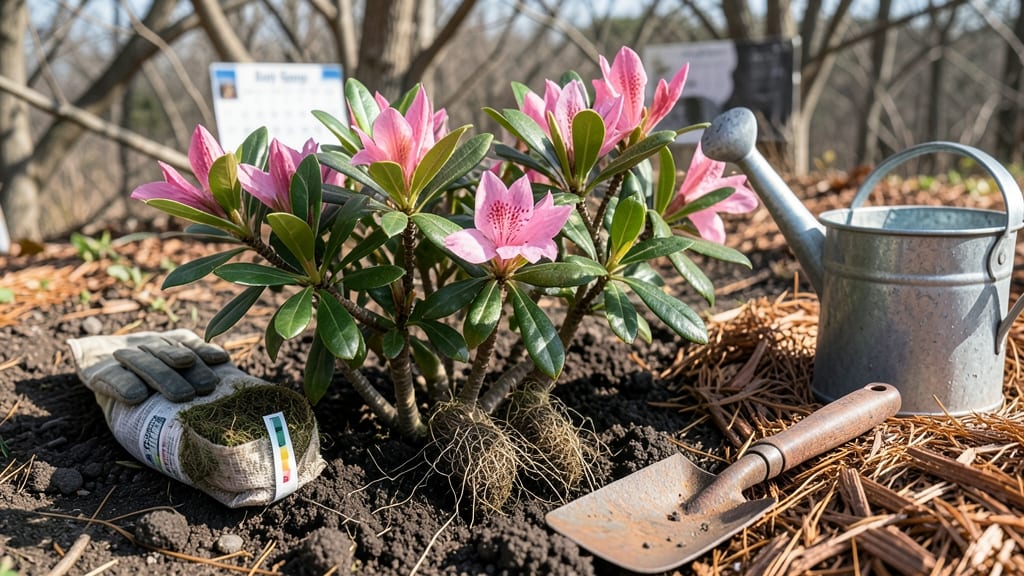
Planting azaleas 🌸 at the wrong time in Ohio could mean struggling roots and fewer blooms next spring—so getting the timing right is the key to vibrant, healthy shrubs that thrive for years.
Ohio’s USDA Zone 6a climate means frost lingers until mid-April, and late fall freezes can sneak up by October. Those dates create a narrow window where azaleas can establish roots without stress.
I’ve tested both spring and fall planting over the years, and what I’ve learned will help you avoid common mistakes—like transplant shock or winter damage—that ruin even the hardiest varieties.
Ready to plant? Let’s break down the best months, soil prep, and how to match your azalea’s chill-hour needs to Ohio’s unpredictable weather for blooms that steal the show.
Ohio azalea planting timeline by chill-hours and hardiness zones
Ohio’s USDA zones 5-6 create a tricky balance for azaleas, which need 300-900 chill-hours to bloom. Plant too early, and roots struggle in cold soil; too late, and frost damages tender shoots.
My 10-year experience growing azaleas in Cincinnati shows that early fall (September) or late spring (April) work best—when soil temps hit 50°F+.
Most Ohio gardeners focus on two planting windows: late September to early October (fall) or mid-April to early May (spring). Fall planting gives roots 6-8 weeks to establish before winter, while spring planting avoids late frost risks.
I’ve seen Girard’s Pink azaleas thrive when planted in fall, but Hershey’s Red often needs spring planting in colder Zone 5 areas.
Here’s my month-by-month breakdown for Ohio’s zones, including frost risk analysis and chill-hour matches:
For Zone 5 gardeners, I recommend September 1-15 as the sweet spot—soil stays warm enough for roots to grow, but frost arrives by October 10. In Zone 6, you’ve got flexibility until early October, but avoid planting after October 15 unless you’re using row covers.
Spring planting in Ohio works best after the last frost date (typically mid-April in most areas). I’ve planted ‘Nancy Evans’ azaleas in late April with no issues, but Zone 5 gardeners should wait until mid-May if frost is predicted. Always check your local Ohio State Extension frost maps before planting!
Pro tip: Soil temperature matters more than air temperature. Use a soil thermometer—plant when soil hits 50°F+ at 4 inches deep. In my garden, September soil temps often stay ideal until late September, while April soil can lag behind air temps by 1-2 weeks.
Ohio’s microclimates add another layer. Urban areas like Columbus often have warmer soils than rural Appalachian zones. I’ve seen ‘George L. Taber’ azaleas thrive in Columbus gardens when planted in late October, but the same variety struggled in Athens, OH (Zone 5b
Signs you’re planting azaleas too early or too late in Ohio
Your azaleas might be whispering warnings if you planted them at the wrong time. In Ohio’s USDA zones 5-6, timing is everything—too early and roots struggle with cold soil, too late and they can’t establish before winter. Watch for these red flags that scream "mistimed planting!"
First, check for yellowing leaves that start at the tips and spread inward. This often means your azalea was planted when soil temps were still too cold—below 50°F (10°C)—stunting root growth.
In Ohio, this usually happens if you planted in late February or early March before the ground warmed properly.
Next, look for wilting foliage even after watering. This could signal transplant shock from late planting, when roots can’t absorb moisture fast enough in Ohio’s hot, dry summers. If you planted in June or July, your azalea’s roots may still be adjusting while battling heat stress.
Too Late: Waiting until after May 1 delays root establishment. Late plantings in southern Ohio (zone 6b-7a) may still thrive, but northern Ohio (zone 5b) azaleas need 6-8 weeks to harden off before winter.
Delayed or sparse blooming is another clue. Azaleas need 60-90 days of root growth before flowering. If you planted in late spring (May-June), they may not bloom until next year—or skip blooming entirely.
Rural Ohio’s cooler microclimates (like Hocking Hills) delay blooming by 2-3 weeks compared to urban heat islands.
Root rot is the most dangerous sign of mistimed planting. If your azalea’s soil stays soggy for weeks after planting (common in Ohio’s wet springs), roots suffocate.
Test soil moisture by sticking your finger 2 inches deep—if it’s damp beyond 48 hours after watering, you’ve planted too late for proper drainage.
Adjust your planting dates based on Ohio’s microclimates. Urban areas (like Cincinnati) can plant 2 weeks earlier than rural zones, while Appalachian Ohio should wait until soil temps hit 55°F (13°C) consistently. For most gardeners, mid-April to early May strikes the perfect balance.
Pro tip: Use a soil thermometer to check temps before planting. Ohio’s average last frost is April 15, but roots need 2-3 weeks of warm soil to thrive.
Plant when temps hit 50°F (10°C) at 6 inches deep—this ensures your azaleas get a head start before summer’s heat arrives.