
Plants
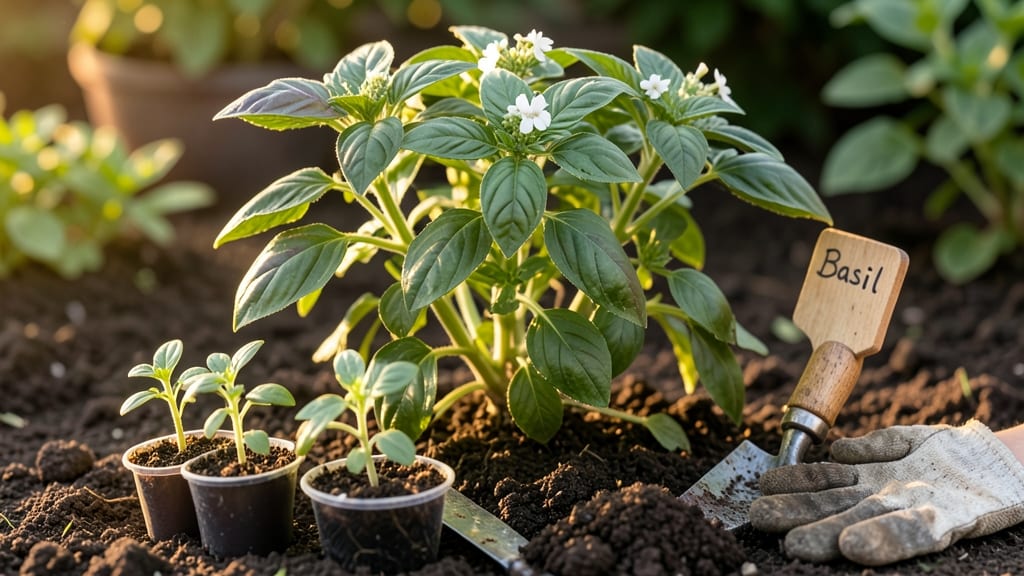
Planting basil in Oklahoma at the wrong time means watching your plants bolt before they even taste like summer—something no gardener wants.
The key to avoiding this is timing your spring planting perfectly, between April 15 and May 15, when soil temperatures hit that sweet spot of 50°F or warmer.
If you're in USDA Zone 6b-7a, like most of Oklahoma, you’ve got a narrow window to get seeds in the ground after the last frost—usually around March 15.
But don’t worry if you’re not ready to direct-sow just yet; starting basil indoors 4-6 weeks before your target date gives you a head start.
Here’s the game-changer: staggered planting lets you enjoy fresh basil from June through September, even in Oklahoma’s heat. Whether you’re growing Genovese for pesto or Thai basil for spicy dishes, the right schedule keeps your plants happy—and your kitchen stocked.
Ready to avoid the bolt? I’ll walk you through the exact steps to time your basil planting like a pro, so you can harvest flavorful leaves all season long.
Oklahoma heat zones explained: the exact months to plant basil
Oklahoma’s USDA Hardiness Zones 7a-8a create distinct windows for planting basil—miss them, and your plants will bolt before you even get a harvest. The key? Planting after the last frost date (typically March 15 to April 15) when soil temperatures hit at least 50°F.
In Zone 7a, you’ve got a slightly longer window than in Zone 8a, where summer heat arrives faster.
Basil thrives in warm soil and consistent temperatures, so timing matters more than you’d think. Plant too early, and cold snaps will stunt growth. Plant too late, and Oklahoma’s 90°F+ afternoons will trigger bolting—turning your sweet basil into bitter, flowering stalks before you can say “pesto.”
The solution? Use local frost dates and soil temperature gauges to pinpoint your exact window. For most of Oklahoma, that means mid-April to early May for direct sowing. If you’re in southern Oklahoma (Zone 8a), you might even squeeze in a late February start under protective coverings.
Zone 7a gardeners in northern Oklahoma (think Oklahoma City or Tulsa) have until May 1 to plant basil without bolting risks. But by the time you reach Zone 8a (like Lawton or Altus), the window shrinks to just April 1-25.
Heat arrives faster in the south, so act quickly or use shade cloth to delay bolting.
Pro tip: Use a soil thermometer to confirm readiness. Basil roots need consistent warmth—if your soil dips below 50°F, growth stalls. In Zone 7a, wait until nighttime lows stay above 55°F; in Zone 8a, aim for 60°F+ to avoid stress.
For container gardening, you can push dates slightly earlier by using black plastic mulch or heat mats to warm soil faster. But direct-sown basil in cool soil? That’s a one-way ticket to bolting city. Always prioritize soil temperature over calendar dates.
If you’re in western Oklahoma (like Amarillo or Guymon), your Zone 7a classification means you’ve got a few extra days—sometimes even a late April planting works. But don’t rely on it; microclimates here can turn a “safe” date into a gamble.
Remember: Basil bolts when stressed, and Oklahoma’s heat is stress enough. By planting within these zone-specific windows, you’ll avoid the bitter, woody flavor that comes with premature flowering. And trust me—nothing beats fresh basil picked at peak flavor, not a store-bought substitute.
Start your seeds indoors 4-6 weeks before your zone’s last frost date, then transplant after all danger of frost has passed. With this timing, you’ll enjoy harvests from June through September—just in time for summer salads, pesto, and caprese skewers.
How to extend basil’s growing season in Oklahoma without bolting
Oklahoma’s intense summer heat can turn your basil into a bolted mess faster than you can say "pesto." But with the right strategies, you can extend the season and keep your plants producing flavorful leaves until first frost.
The key is combining shade protection, smart timing, and container flexibility to outsmart Oklahoma’s 90°F+ days.
I’ve learned through trial and error that staggered planting and container gardening are my secret weapons. These methods let me push planting dates by 4-6 weeks while avoiding the heat stress that triggers bolting.
Let’s break down the proven tactics that keep my basil thriving well past the traditional May planting window.
- 1 Use 30-50% shade cloth to block intense afternoon sun during June-August. This lowers soil temps by 10-15°F, delaying bolting by 2-3 weeks.
- 2 Stagger plantings every 2 weeks from April 15 to June 1. This ensures a continuous harvest and spreads out the heat exposure risk.
- 3 Grow in containers with 5-gallon pots for mobility. Move them to morning sun or partial shade when temps hit 95°F to prevent bolting.
- 4 Harvest aggressively—pinch off flower buds and top leaves to redirect energy to leaf production. This keeps plants bushy and productive for 8-10 weeks longer.
- 5 Avoid overwatering—keep soil consistently moist but not soggy. Root rot from excess water weakens plants, making them more susceptible to bolting in heat.
One common mistake I see is planting too late and expecting basil to handle Oklahoma’s heat. The truth? Basil planted after June 15 in most of the state will bolt within 2-3 weeks unless you use shade protection.
I’ve had success with Thai basil varieties, which tolerate slightly higher temps, but even they need afternoon shade during peak summer.
For container gardening, I swear by black fabric pots because they heat up faster in the morning, giving seedlings a head start. Place containers on drip irrigation to maintain even moisture without overwatering.
And always use well-draining soil—Oklahoma’s clay-heavy soil can suffocate roots if not amended with compost.
If you notice your basil stretching toward the sun or developing tiny white flowers, it’s already bolting. At that point, focus on harvesting leaves before the plant puts all its energy into seeds.
With these strategies, I’ve kept my basil producing until mid-October—just in time for fall tomatoes! 🌿