
Plants
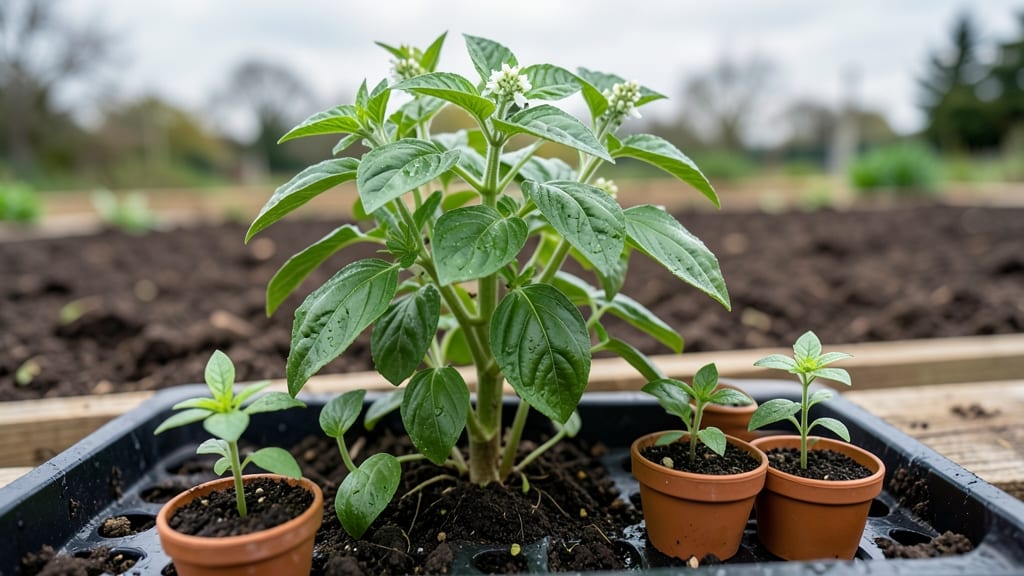
Timing your basil planting in Oregon isn’t just about the calendar—it’s about dodging frost and embracing the short but sweet growing season that makes this herb thrive. Plant too early, and a late frost will turn your tender seedlings into sad, wilted souvenirs.
But get it right, and you’ll be harvesting fresh 🌿 basil from June through September, perfect for pesto, salads, or even homemade pizza sauce.
Most gardeners in Oregon’s USDA zones 7b-9a wait until mid-April to late May, once the soil warms to at least 50°F and the last frost has passed.
If you’re in coastal areas like Portland, that might mean holding off until early May, while high-desert zones like Bend can start a little earlier. The key? Watching the weather—not just the calendar—so you’re planting when Mother Nature gives the green light.
Basil is a finicky annual in Oregon’s climate, meaning it won’t come back year after year unless you’re in the mildest pockets of the Willamette Valley. But with the right timing, you can stretch your harvest well into fall.
Whether you’re tucking pots onto a balcony or sowing seeds in raised beds, understanding your local microclimate is the game-changer between a bountiful harvest and a sad, stunted plant.
Ready to grow basil that tastes like summer? I’ll walk you through the exact window for your zone, plus tips for extending your season—whether you’re dealing with coastal fog or high-desert heat. Let’s make sure your basil gets the perfect start.
Oregon’s frost-free dates for basil by elevation zone
Oregon’s microclimates create huge differences in last frost dates, which directly impact when you can safely plant basil. Lowland areas like Portland typically see their final frost around April 15, while high-desert regions like Bend may wait until May 15.
Knowing your elevation zone is key to avoiding frost damage that can kill tender basil seedlings.
Basil thrives in USDA zones 7b-9a, but Oregon’s elevation variations mean your local frost-free window matters more than the general zone. Coastal areas (like Astoria) have milder winters, while inland valleys (like Willamette Valley) can experience sudden cold snaps.
High-desert zones (like Baker City) have longer frost-free seasons but hotter summers that require extra care.
Here’s how to determine your frost-free window and when to plant basil in each Oregon elevation zone:
| Elevation Zone | USDA Zone | Avg. Last Frost | Planting Window | Harvest Window |
|---|---|---|---|---|
| Lowland (300–1,000 ft) | Zones 8b–9a | Mid-April | Late April–Early May | June–September |
| Mid-Elevation (1,000–3,000 ft) | Zones 7b–8a | Late April | Early May–Mid-May | Late June–October |
| High-Desert (3,000+ ft) | Zone 6b–7a | May 15 | Late May–Early June | July–September |
If you’re in a lowland zone (like Portland or Eugene), you can start planting basil outdoors as early as late April, giving you a long harvest season. These areas benefit from warmer soil temperatures and longer growing days, ideal for basil’s rapid growth.
Just be prepared for coastal fog, which can delay early planting if temperatures drop unexpectedly.
For mid-elevation zones (like Salem or Corvallis), wait until early May to plant basil outdoors. These areas experience cooler nights and occasional late frosts, so rushing your planting can risk seedling damage. Use row covers or wait until soil temperatures consistently stay above 50°F for reliable growth.
High-desert regions (like Bend or La Grande) have a later frost-free date but also hotter summers, which can cause basil to bolt prematurely. Plant basil outdoors no earlier than late May and choose slow-bolting varieties like Thai basil or Spicy Globe to extend your harvest window.
To check your local frost dates, use the National Weather Service or Almanac.com for your specific city. For example, Astoria (coastal) may have a frost-free date by March 31, while Baker City (high-desert) won’t be frost-free until May 15.
Adjust your planting schedule accordingly to avoid frost damage.
Once you’ve planted basil after the last frost, ensure it gets 6–8 hours of sunlight and well-draining soil to thrive. Mulch around the base to retain moisture and protect roots from temperature swings.
With the right timing, you’ll enjoy fresh basil from June through September, even in Oregon’s varied climate.
🌿
How to extend your basil growing season in Oregon’s climate
Oregon’s cool, unpredictable summers can make basil growers feel like they’re racing against time. But with the right strategies, you can stretch your harvest from early June well into October—even in coastal fog zones or high-desert heat.
The secret? Start early, protect your plants, and choose varieties that play nice with Oregon’s quirks.
Most gardeners assume basil is a one-season wonder, but in Oregon’s USDA zones 7b-9a, it’s possible to enjoy fresh basil for 4+ months if you plan ahead.
Whether you’re dealing with Portland’s damp springs or Bend’s scorching summers, these tactics will help you beat the odds and keep your basil thriving when other gardeners are packing it in.
🌱 5 Key Steps to Extend Your Basil Season
- Start seeds indoors 6-8 weeks before your last frost date (early March for most zones). Use grow lights to simulate sunlight.
- Transplant seedlings after May 15 (coastal) or April 20 (inland) when soil reaches 55°F+.
- Use floating row covers to protect from late frosts and extend harvest into fall. Remove during heatwaves to prevent overheating.
- Choose slow-bolting varieties like 'Genovese' or 'Spicy Globe'—they resist flowering longer than standard types.
- Harvest aggressively by pinching flowers and outer leaves. This encourages bushier growth and delays bolting.
One of the biggest mistakes Oregon gardeners make is waiting too long to start seeds. If you plant basil outdoors in early May, you’ll miss out on the earliest harvests and risk stunted growth from cool soil temperatures.
Instead, kick off your season indoors under grow lights (or a sunny windowsill) in early March. This gives your seedlings a head start and ensures they’re ready to hit the garden as soon as the ground warms.
Row covers are your best friend for coastal gardeners—they shield tender basil from chilly ocean breezes and unpredictable frosts. Even in Zone 9a, like southern Oregon, a late spring frost can wipe out young plants.
Lightweight fabric covers (like Agribon) let sunlight through while trapping heat. Just remember to remove them during the day if temperatures climb above 85°F to avoid overheating.
Not all basil is created equal when it comes to Oregon’s climate. Genovese and Thai basil are classic choices, but Purple basil and Spicy Globe are more resilient to heat and humidity.
If you’re in the Willamette Valley, opt for compact varieties to avoid leggy growth from low-light days. For high-desert areas, prioritize drought-tolerant types like 'Lemon' basil, which handles intense afternoon sun better than standard varieties.
Don’t underestimate the power of morning harvests! Basil tastes best when picked in the cool hours before the sun peaks. Plus, regular harvesting (every 2-3 weeks) encourages new growth and delays bolting. If your plant starts flowering, snip the buds immediately—this redirects energy back into leaf production.
By late summer, you can even bring potted basil indoors near a south-facing window to enjoy fresh herbs through winter.
With these strategies, your basil won’t just survive Oregon’s short, finicky summers—it’ll thrive. Soon, you’ll be the neighbor everyone envies, with a steady supply of homegrown pesto and sunny-side-up basil all season long. Happy growing! 🌿