
Plants
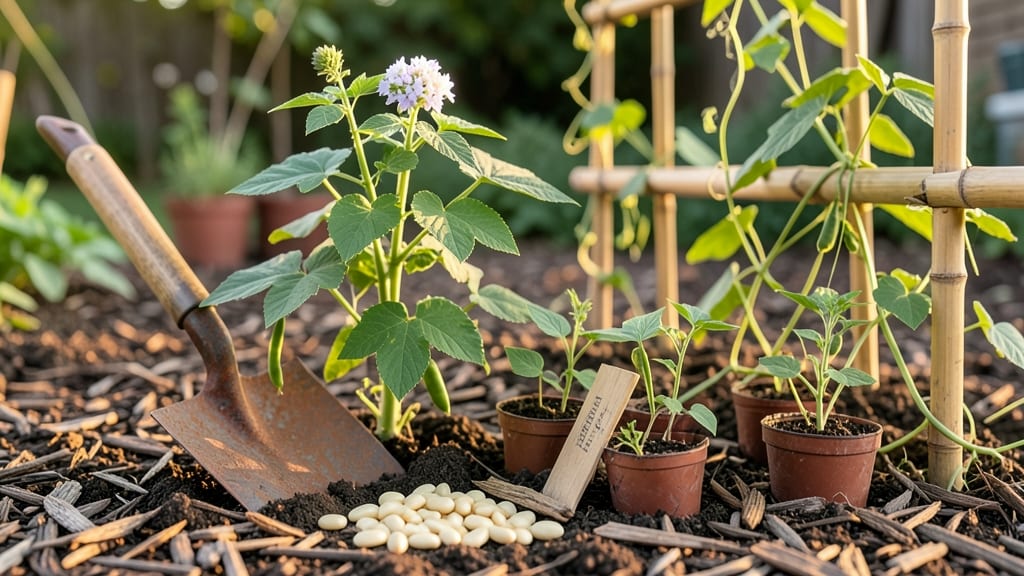
Planting beans at the wrong time in Florida can turn your garden into a bitter disappointment—even though the state’s frost-free climate seems perfect. The key isn’t just avoiding frost (which rarely happens here) but timing your 🌱 beans to escape the brutal summer heat that saps their energy and flavor.
Most gardeners in zones 8a-11 know spring and fall are ideal, but Florida’s microclimates demand precision. North Florida’s cooler winters let you plant as early as January, while South Florida’s humidity means summer planting is a gamble unless you’ve got shade tricks up your sleeve.
I’ve grown beans across Florida’s heat zones, and I’ll show you exactly when to start seeds or transplant seedlings for sweet, productive harvests—plus how to stretch your growing season without wilting under the midday sun.
Ready to skip the guesswork? Let’s dive into the calendar that keeps your beans thriving, not struggling, in Florida’s unique climate.
Best planting times for beans in Florida’s heat Zones 8-11
Florida’s frost-free growing zones (8a-11) create unique opportunities for growing beans year-round, but timing still matters. Unlike northern climates, you can avoid the bitter taste and poor yields caused by summer heat stress by planting during cooler transitions.
The key is leveraging Florida’s microclimates—from the humid Everglades to the drier Panhandle—to align planting with soil warmth and rainfall patterns.
Beans thrive when soil temperatures stay between 60°F and 85°F. In Florida, this means avoiding the peak summer months (June-August) when temperatures often exceed 90°F, causing beans to bolt or develop fibrous pods.
Instead, focus on the spring shoulder seasons (February-April) and fall transitions (August-October), when humidity is moderate and daytime highs are comfortable.
Your USDA zone plays a critical role: Zones 8a-9a (North Florida) have cooler winters, while Zones 10a-11 (South Florida) rarely drop below 50°F.
This means gardeners in Miami or Key West can plant beans almost year-round, while those in Jacksonville or Tallahassee should time plantings to avoid rare winter chills.
For North Florida gardeners (Zones 8a-9a), the coolest months (February-March) offer ideal conditions with soil temperatures hovering around 65°F. This window aligns with Florida’s natural rainfall patterns, reducing the need for supplemental watering.
In Central Florida (Zones 9b-10a), you can stretch plantings into early January and late October, but always monitor forecasts for unexpected cold snaps.
South Florida’s Zones 10b-11 present the most flexibility, but even here, summer heat (June-August) demands caution. Plant dwarf varieties like Malabar spinach under 30% shade cloth to prevent bolting.
Morning planting (before 9 AM) ensures seeds don’t dry out in the intense humidity and UV exposure of South Florida’s dry season.
Don’t overlook succession planting—a technique that works beautifully in Florida’s climate. By sowing new seeds every 2-3 weeks during your zone’s optimal window, you can enjoy continuous harvests for up to 6 months.
For example, in Zone 9b, start with February plantings, then follow with March, April, and May sowings to maintain a steady supply through summer’s edge.
One common mistake is assuming Florida’s heat means beans can grow anytime. Extreme heat (above 90°F) causes beans to stop flowering and develop tough pods. To combat this, use black plastic mulch to raise soil temperatures slightly in spring or reflective mulch to cool roots in summer.
Pair this with drip irrigation to maintain even moisture without wetting foliage—critical for preventing fungal diseases like rust.
Pro tip: Test your soil’s pH (6.0-7.0 ideal) before planting. Florida’s sandy soils often need compost or aged manure to retain moisture and nutrients. Mix in 1-2 inches of compost at planting time, then top-dress with balanced fertilizer (5-10-10) when flowers appear.
This two-step approach ensures your beans get the phosphorus for roots and potassium for pods
How to avoid common bean planting mistakes in Florida’s climate
Florida’s warm climate might make beans seem easy to grow, but timing and conditions still matter. One of the biggest mistakes I see is planting too early in the North Florida panhandle (Zones 8a-8b), where unexpected light frosts can still occur in January or December.
Even in South Florida (Zones 10-11), humidity and pests change how you should handle your bean plants.
Another common error is ignoring soil temperature. Beans need soil that’s at least 60°F to germinate properly. Planting in cool spring soil (below 55°F) can lead to slow growth or even rot. Meanwhile, planting in peak summer heat (above 90°F) stresses plants and reduces yields.
Overcrowding seeds is another mistake that kills yields. Many gardeners plant seeds too closely, thinking they’ll thin later—but beans need 3-4 inches of space for bush varieties and even more for pole beans. When plants compete for nutrients, you end up with small, bitter pods instead of plump, sweet ones.
⚠️ Critical Florida-Specific Mistakes
- Planting in frost-prone zones (Panhandle): Wait until after March 15 for spring plantings.
- Ignoring soil warmth: Use a soil thermometer—beans won’t germinate below 60°F.
- Overcrowding seeds: Space seeds 1 inch apart, thin to 3-4 inches when sprouted.
- Skipping succession planting: Florida’s long season lets you plant every 2-3 weeks for continuous harvests.
🌱 Pro Tip: Mulch with straw to retain soil warmth and reduce humidity-related fungal risks.
Humidity is another Florida-specific challenge. High moisture levels can lead to powdery mildew or bacterial blight, especially in shady or crowded gardens. Improve airflow by spacing plants properly and avoiding overhead watering. If you notice white powder on leaves, treat immediately with neem oil or baking soda spray.
Pests like bean beetles and aphids thrive in Florida’s warm weather. A common mistake is waiting too long to act. Start with row covers for young plants and use insecticidal soap at the first sign of damage. Companion planting with marigolds or basil can also deter pests naturally.
Finally, don’t assume all bean varieties perform equally in Florida. Heat-tolerant varieties like ‘Red Hawk’ or ‘Scarlet Runner’ handle summer better than traditional types. For fall plantings, choose cold-hardy varieties like ‘Blue Lake’ to extend your harvest into cooler months.
By avoiding these mistakes—timing, spacing, humidity control, and pest management—you’ll enjoy a bountiful bean harvest all year in Florida’s unique climate. 🌿