
Plants
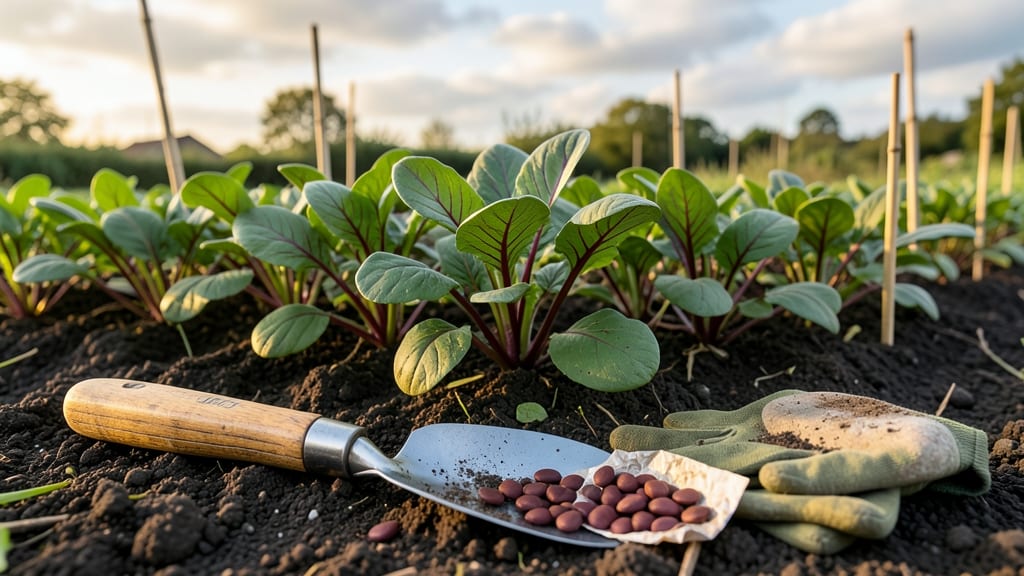
Knowing when to plant beets in Arkansas isn’t just about luck—it’s about beating the heat and frost to grow sweet, tender roots every time. Plant too early, and a late frost can turn your seedlings into sad, wilted memories.
Too late, and summer's sweltering temperatures make those perfect 1-3 inch roots turn woody and tough.
I've learned the hard way that Arkansas gardeners in zones 7a-8b have two golden windows: early spring (March-April) and late summer (August-September). These are the months when frost-free days stretch just enough for beets to mature before the heat sets in or winter arrives.
But here's the secret—your exact timing depends on whether you're in cooler northern Arkansas or the warmer southern regions.
What makes this even trickier is Arkansas's unpredictable weather. One year, you'll be harvesting June-July beets, while the next might require a fall crop stretching into November-December.
The key is knowing how to adjust your planting schedule based on your microclimate, soil prep, and even shade strategies for summer crops.
Let me show you exactly when to plant for your location, how to extend your harvest season, and the simple tricks that keep your 🍠 beets sweet and crisp—no matter what Arkansas throws at you. Ready to grow the best beets of your life?
Best planting windows for beets in Arkansas (by month)
Arkansas's USDA zones 6-8 create a unique challenge for beet growers—late spring frosts in the north and scorching summer heat in the south demand precise timing. Unlike cool-season crops, beets thrive in moderate temperatures (50°F–75°F), making early spring and late summer the sweet spots for harvest.
Missing these windows risks bolting (flowering too early) or woody, tough roots.
For sweetest, tender beets, focus on two key planting periods: March–April for spring crops and August–early September for fall harvests. Southern Arkansas gardeners can push summer planting slightly later (up to mid-September), while northern zones should avoid planting after mid-August to escape early frosts.
Let’s break down the month-by-month timeline to maximize your beet yield.
| Month | Planting Window | Ideal Soil Temp | Harvest Window | Notes |
|---|---|---|---|---|
| February | Southern AR only (start indoors) | 50°F–55°F | June–July | Risk of frost; use row covers |
| March | Best for all zones | 55°F–65°F | June–August | Avoid after last frost date |
| April | Last chance for spring | 60°F–70°F | July–September | Succession plant every 2 weeks |
| May | Northern AR only (shade cloth) | 65°F–75°F | August–October | High heat risk; mulch heavily |
| August | Best for fall harvests | 60°F–70°F | November–December | Plant before 90°F+ soil |
| September | Southern AR only | 55°F–65°F | December–January | Use cold frames for extension |
In northern Arkansas (zones 6–7), aim to plant beets 4–6 weeks before your last frost date (typically mid-March). For example, if your last frost is March 20, start seeds around February 15 indoors or March 1 outdoors.
This timing ensures seedlings emerge when soil temps hit 50°F+, preventing cold soil shock.
Southern Arkansas gardeners (zones 7b–8a) enjoy a longer growing season but face intense summer heat. Plant your first spring batch in February under protective row covers, then succession plant every 2 weeks through April.
For fall, your last window is early September—any later, and roots will bolt before harvest. Use shade cloth (30–50%) if planting in July to prevent bolting.
Beets are heat-sensitive—soil temps above 80°F trigger bolting, ruining your harvest. Monitor your garden’s microclimate: raised beds warm faster than ground soil, while morning sun + afternoon shade can extend summer planting by 2–3 weeks
How to adjust planting for Arkansas microclimates (north vs south)
Arkansas's diverse geography creates distinct growing conditions between its northern and southern regions. In cooler northern Arkansas (like Bentonville or Fayetteville), gardeners face longer winters and later last frosts, while southern Arkansas (like Little Rock or El Dorado) enjoys earlier springs and hotter summers.
These differences mean your beet planting strategy should shift based on location.
For northern Arkansas, aim to start beets indoors by mid-February or sow directly after your last frost date (typically March 15). Southern gardeners can plant outdoors as early as February 15 in protected beds.
The key is avoiding spring frosts while maximizing the 60-day growing window before summer heat sets in.
| Factor | Northern Arkansas | Southern Arkansas |
|---|---|---|
| Planting Window | March 15 - April 15 | February 15 - March 30 |
| Soil Prep | Add compost to cool soil | Mulch to retain moisture |
| Succession Planting | Every 2 weeks until May 15 | Every 2 weeks until April 30 |
| Shade Needs | Full sun required | Afternoon shade in July |
| Fall Planting | August 1 - September 15 | July 15 - August 30 |
In northern Arkansas, focus on soil warming before planting. Work in compost or aged manure 2-3 weeks before your target date to raise soil temperatures. Southern gardeners should prioritize moisture retention—use mulch like straw to prevent soil from drying out during Arkansas's hot, humid summers.
Both regions benefit from loose, well-draining soil, but northern areas need extra organic matter to improve fertility.
Succession planting works differently in each region. Northern gardeners can stretch their harvest by sowing every 2 weeks until May 15, while southern gardeners should stop by April 30 to avoid summer heat stress.
For fall crops, northern Arkansas can plant until September 15, while southern gardeners have until August 30 to avoid early frosts.
Heat tolerance varies by variety. In southern Arkansas, opt for heat-tolerant varieties like 'Detroit Dark Red' or 'Chioggia', which handle afternoon shade better. Northern gardeners can grow standard varieties but should provide row covers during late spring heat waves.
Always plant in well-drained beds to prevent bolting from uneven moisture.
Remember, Arkansas's microclimates create opportunities for year-round beet production if you adjust your timing. Start with cool-season varieties in spring, then switch to heat-tolerant types in fall. With these regional adjustments, you'll enjoy sweet, tender beets from May through November—no matter where you garden in Arkansas. 🌱