
Plants
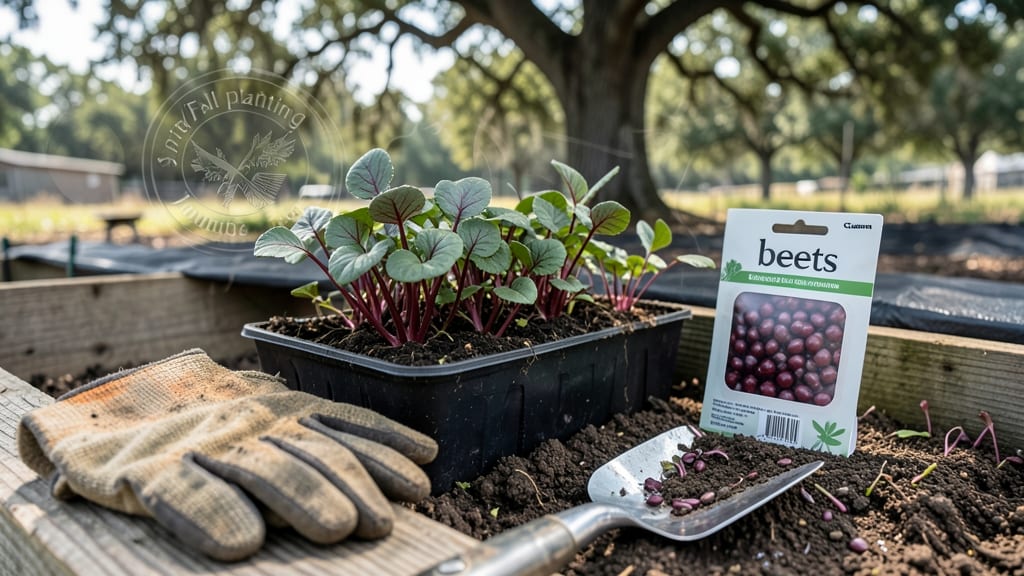
Planting beets in Louisiana’s sweltering summers can feel like a gamble—until you know the perfect timing to beat the heat and bolting. The key? Start seeds in late summer or early fall when temperatures dip below 85°F, giving your 🍠 roots time to mature before winter sets in.
Skipping the summer rush means avoiding bitter, stringy beets that bolt too soon. Instead, aim for September-October plantings in Louisiana’s 8a-9b zones, where cooler nights and shorter days create ideal conditions. This strategy also lets you harvest sweet, tender roots by November-December, just in time for holiday meals.
But what if you’re eager for an earlier harvest? Spring plantings in February-March work too—just be ready to shade young seedlings from the relentless sun. I’ll show you how to stretch your growing season with heat-smart tricks, so you can enjoy fresh beets all year.
Ready to grow beets that thrive in Louisiana’s climate? Let’s dive into the exact planting schedule, soil prep, and varieties that won’t wilt in the heat.
Best planting windows for beets in Louisiana’s climate zones
Louisiana’s humid subtropical climate presents unique challenges for growing beets—too much heat, and they’ll bolt prematurely, turning bitter or flowering before you can harvest. But with the right timing, you can grow sweet, tender beets in both spring and fall.
The key lies in understanding your USDA zone (7a, 8a, or 9a) and avoiding the dog days of summer when temperatures exceed 85°F. Let’s break down the best planting windows for each zone to maximize your harvest.
In northern Louisiana (Zone 7a), where last frost dates hover around February 15, your planting windows are slightly shorter but still productive. Focus on early spring (February-March) and late summer (August-September) to avoid the brutal heat.
Meanwhile, central (Zone 8a) and southern (Zone 9a) gardeners enjoy longer growing seasons but must work around extended heat waves that can stress beet plants. By aligning your plantings with cooler months, you’ll give your beets the best chance to thrive.
| Zone | Best Planting Window | Avoid | Harvest Window | Temperature Threshold |
|---|---|---|---|---|
| Zone 7a (North) | Feb 15 - Mar 15 Aug 15 - Sep 15 |
May - Sep | May - Jun Nov - Dec |
Below 80°F |
| Zone 8a (Central) | Feb 1 - Mar 31 Aug 1 - Sep 30 |
Jun - Aug | Apr - May Oct - Nov |
Below 85°F |
| Zone 9a (South) | Jan 15 - Feb 28 Jul 15 - Aug 31 |
May - Sep | Mar - Apr Sep - Oct |
Below 90°F |
For Zone 7a gardeners, the spring window (February-March) is critical because soil temperatures must stay above 50°F for seeds to germinate. Plant too early, and you risk soil-borne diseases or slow germination.
In late summer (August-September), aim to have beets harvested before first frost (December 1). Use row covers if frost threatens early.
In Zone 8a, you’ve got a bit more flexibility. Start seeds indoors in late January for an early spring transplant, or direct-sow in February once soil warms. The fall window (August-September) is ideal because days are still long enough for growth but temperatures begin to drop by harvest time.
Avoid planting after July 15, as the heat will cause bolting within weeks.
Southern Louisiana’s Zone 9a offers the longest growing season, but beets still struggle in peak summer heat. Plant in January-February for a spring harvest, or July-August for a fall crop. The key is to time your planting so harvest occurs before temperatures climb above 90°F.
For example, a July 15 planting should yield beets by September 15, when cooler weather returns.
One of my favorite tricks for Louisiana gardeners is succession planting every 2-3 weeks during your optimal windows. This ensures a steady supply of fresh beets without overwhelming your garden at once.
For example, in Zone 8a, plant a batch in February, another in March, and a final one in September. Each batch will mature at different times, giving you beets from April through November.
If you’re planting in late summer or early fall, consider using shade cloth (30-50%) to protect seedlings from the intense afternoon sun. This isn’t just about heat—it’s also about preventing bolting.
Beets detect heat stress and will send up flowers before developing roots. Even a 30% shade cloth can reduce soil temperatures by 10-15°F, making a huge difference in Louisiana’s humidity.
Don’t forget to harden off seedlings if you’re starting indoors. Louisiana’s high humidity can shock tender plants when transitioning from containers to the garden. Acclimate seedlings to outdoor conditions over 7-10 days by gradually increasing their exposure to sunlight and wind.
This step is especially important for spring plantings, where cool nights and warm days can create stress.
Finally, pay attention to your soil temperature. Use a soil thermometer to confirm conditions are ideal
How to extend the beet-growing season in Louisiana’s heat
Louisiana’s sweltering summers can send beets bolting prematurely, but with the right strategies, you can extend your harvest window by weeks. The key is cooling soil temperatures, managing moisture, and protecting seedlings from heat stress.
Even in Zone 8a-9b, you can enjoy fresh beets from spring through fall with these proven techniques.
One of the most effective ways to beat the heat is by using shade cloth during peak summer months. A 30-50% shade cloth reduces soil temperatures by 10-15°F, delaying bolting and keeping roots tender.
Pair this with drip irrigation set to water early morning to prevent wilting, and you’ll create ideal conditions for heat-resistant varieties like ‘Cylindra’ or ‘Detroit Dark Red’.
Organic vs. Synthetic Mulch for Louisiana Beets
| Factor | Organic Mulch (Straw/Grass Clippings) | Synthetic Mulch (Black Plastic) |
|---|---|---|
| Temperature Regulation | ✅ Cools soil by 5-8°F; retains moisture | ✅ Warms soil 2-3°F faster (avoid in summer) |
| Humidity Management | ✅ Reduces fungal risk; breathable | ❌ Traps moisture; increases root rot risk |
| Weed Suppression | ✅ Excellent; smothers weeds naturally | ✅ Blocks light; 90%+ weed control |
| Best For Louisiana | ✅ Spring/fall plantings; humid climate | ❌ Avoid summer; use only for early spring |
For Louisiana’s humidity, organic mulch wins for year-round use. Synthetic mulch is best for short-term spring warmth only.
For succession planting, start your first batch in late February under row covers to protect from late frosts, then follow with 4-6 week intervals through October. This staggered approach ensures a continuous harvest while avoiding the June-August heat spike.
Pair beets with companion plants like radishes or lettuce to shade the soil and reduce evaporation.
Watering is critical—deep, infrequent watering encourages deep root growth, while shallow surface watering stresses plants. Aim for 1 inch of water per week, delivered in the early morning to minimize evaporation.
In Zone 9b, consider afternoon shade (4 PM–6 PM) during July and August to prevent bolting. A simple DIY shade screen made from bamboo stakes and cheesecloth works wonders.
Finally, amend your soil with compost or aged manure before planting to improve moisture retention. Beets in well-draining but moisture-rich soil handle heat better than those in sandy or clay-heavy beds.
For container growing, use 5-gallon pots with coco coir mix and keep them in partial shade during peak heat.
With these strategies, you can grow beets year-round in Louisiana—even through the hottest months. The secret? Cool roots, consistent moisture, and smart timing. Start experimenting with shade cloths and mulch this season, and you’ll harvest sweet, tender beets long after your neighbors’ plants bolt. 🌱