
Plants
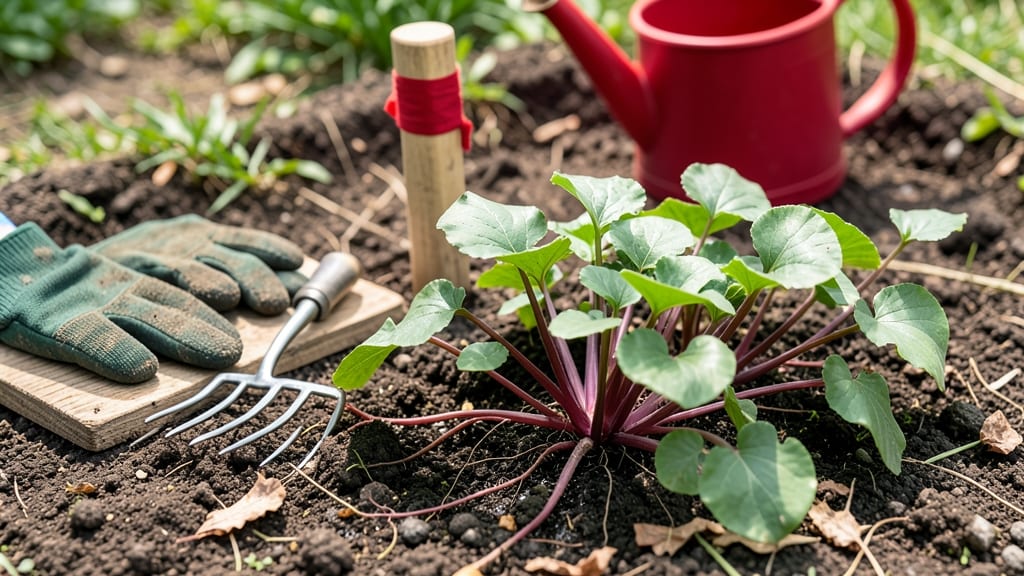
Planting beets in South Carolina at the wrong time can turn your sweet harvest into bitter disappointment—especially when frost sneaks in or summer heat arrives too soon. The key to growing tender, flavorful 🍠 beets lies in knowing the exact frost-free windows by month, tailored to your region’s microclimate.
With USDA Zone 8a’s mild winters and long growing season, you’ve got two prime opportunities: early spring and late summer. But timing isn’t just about months—it’s about soil temperatures, frost dates, and even your local weather quirks.
Let’s break down the best planting windows so you can enjoy fresh beets from June through December.
Whether you’re a first-time gardener or a seasoned green thumb, getting the timing right means fewer pests, sweeter roots, and a harvest that keeps coming.
I’ll walk you through the ideal planting schedule, plus pro tips to extend your beet season—because in South Carolina, the growing year never has to end.
Ready to transform your garden into a beet bonanza? Grab your gloves, and let’s dive into the month-by-month guide that’ll have you harvesting crisp, vibrant beets all season long.
Best months to plant beets in South Carolina (frost-free guide)
South Carolina’s three distinct climate zones—Coastal, Piedmont, and Upstate—create unique planting windows for beets. While coastal areas enjoy milder winters, the Upstate can experience hard frosts as early as November.
Beets thrive in soil temperatures between 45°F and 85°F, so timing your plantings around these ranges ensures sweet, tender roots. The key is avoiding late spring heat (which causes bolting) and early fall frosts (which ruin tender growth).
For year-round harvests, I recommend two main planting cycles: early spring (February–April) and late summer (August–September). Coastal gardeners can even squeeze in a winter crop using cold-hardy varieties and row covers.
The Upstate’s shorter growing season demands earlier starts, while the Piedmont offers a balanced window. Let’s break down the exact frost-free months for each zone to maximize your beet yield.
March and April are my top months for spring planting across all zones. In the Coastal region, you can start as early as mid-February when soil temps hit 50°F. The Piedmont’s March planting aligns with the last frost date, while the Upstate waits until early April to avoid late frosts. For fall plantings, aim for August in the Coastal zone and July in the Upstate to ensure roots mature before November frosts hit.
If you’re growing beet greens (not roots), you can extend your planting into late spring (May) or even early summer (June). However, roots planted after June 1st often develop woodiness due to heat stress.
For year-round success, I recommend succession planting every 2–3 weeks during your zone’s ideal window. This staggered approach ensures a continuous harvest from spring through fall.
One common mistake I see is planting beets when soil temps exceed 85°F. In South Carolina’s summer heat, this causes bolting (premature flowering), leading to bitter, tough roots.
To avoid this, use shade cloth during peak afternoon heat or opt for heat-tolerant varieties like ‘Cylindra’, which handles warmer soils better than standard types. Always test soil temps with a soil thermometer—60°F+ is ideal for germination.
For winter harvests, focus on cold-hardy varieties like ‘Detroit Dark Red’ or ‘Golden’. Plant in October under row covers or cold frames to protect from light frosts. Coastal gardeners can even harvest through January with proper protection. In the Upstate, winter plant
How to extend your beet harvest season in South Carolina
South Carolina’s mild winters and extended growing season mean you don’t have to stop harvesting beets when summer ends. With the right strategies, you can enjoy fresh, tender beets well into fall and even through winter.
The key lies in succession planting, cold-hardy varieties, and protective measures like row covers. These techniques help you beat frost and heat stress, ensuring a continuous supply of homegrown beets.
Many gardeners miss out on fall harvests because they assume beets can’t survive cooler temperatures. But ‘Detroit Dark Red’ and other cold-tolerant varieties thrive when planted at the right time. By extending your season, you’ll also reduce competition for garden space and avoid the grocery store’s pricier winter prices.
Let’s explore how to maximize your beet harvest from late summer through winter.
🌱 5 Proven Ways to Extend Your Beet Season in SC
- 1. Late Summer Succession Planting – Sow seeds every 2-3 weeks starting in August for staggered harvests through November.
- 2. Use Frost-Protective Row Covers – Lightweight fabric extends harvest by 2-4 weeks by trapping warmth without smothering plants.
- 3. Choose Cold-Hardy Varieties – ‘Detroit Dark Red’ and ‘Winter Keeper’ survive 20°F temps and store well for winter use.
- 4. Mulch Heavily in Fall – Apply 4-6 inches of straw to insulate roots and prevent soil temperature drops.
- 5. Plant in Raised Beds – Warmer soil in beds allows earlier spring starts and later fall harvests than in-ground planting.
One of the biggest mistakes gardeners make is planting beets too late in summer without preparing the soil. Beets need well-draining, loose soil with plenty of organic matter to develop sweet roots.
Before planting, amend your beds with compost or aged manure and ensure the pH is between 6.0 and 7.0. This prep work pays off when your beets grow faster and resist common pests like leaf miners.
For a fall harvest, aim to plant seeds by mid-September in most of South Carolina. In coastal areas with milder winters, you can push this to early October. Use row covers or low tunnels after the first frost to protect young plants.
These simple tools can add 3-4 weeks to your growing season, giving you time to harvest before hard freezes arrive in December.
If you’re aiming for winter storage, focus on varieties like ‘Detroit Dark Red’ or ‘Golden’. These types store well in cool, dark conditions and can last until spring planting. After harvesting, trim the greens and store roots in a sandy mix in a root cellar or refrigerator.
Proper storage ensures you’ll have beets ready for winter salads or roasting when fresh produce is scarce.
Remember, beets are resilient but not indestructible. Avoid overcrowding seedlings, which leads to small, misshapen roots. Thin seedlings to 3-4 inches apart when they’re 2 inches tall, and keep the soil consistently moist.
With these strategies, you’ll enjoy a near-year-round beet harvest—proof that South Carolina’s climate is perfect for this versatile vegetable.