
Plants
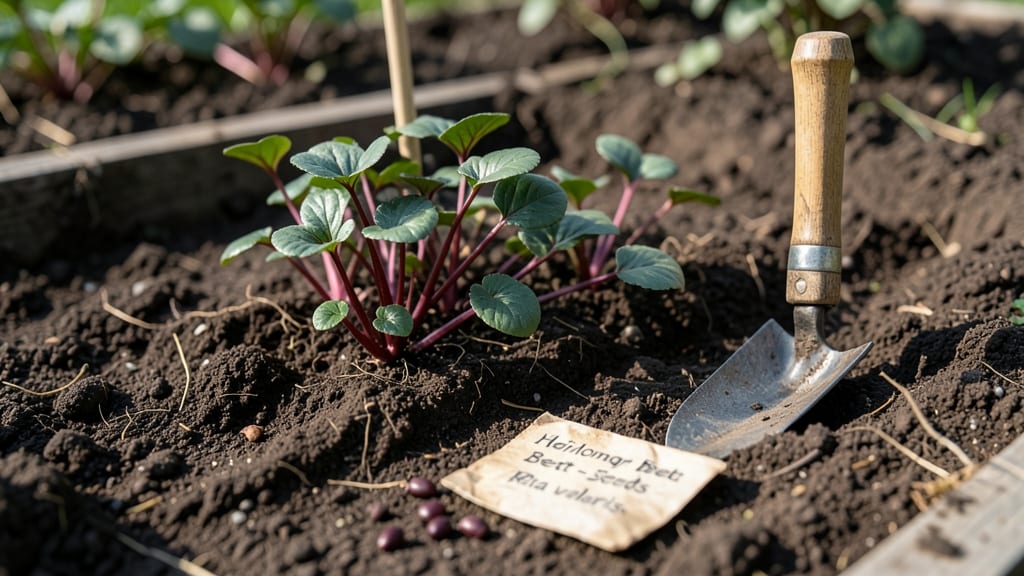
Planting beets in South Carolina at the wrong time can mean the difference between sweet, tender roots and tough, bitter disappointment. With the right timing—especially in zones 7b-8a—you can avoid frost damage and summer heat stress while maximizing your harvest.
Most gardeners in South Carolina know the key is to plant early spring (March-April) or late summer (August-September), but the devil’s in the details. Whether you’re growing 🍠 Detroit Dark Red or crisp Baby Beets, understanding your local frost dates and soil temperatures is the game-changer for success.
I’ve tested these strategies myself, from Upstate Charleston to the Coastal Lowcountry, and the results speak for themselves. You’ll learn exactly when to start seeds indoors, how to stretch your growing season, and which varieties thrive in South Carolina’s humidity—without ending up with bolted greens or woody roots.
Ready to grow beets that taste like summer? Let’s dive into the exact planting schedule, soil prep, and heat-beating tips that’ll have you harvesting 50-day roots from May through November.
South Carolina beet planting calendar: frost dates, soil temps & variety choices
Growing beets in South Carolina requires careful timing to avoid frost damage and summer heat stress. The state's USDA zones 7b-8a create microclimates where Upstate areas experience earlier springs and later falls than Coastal regions. Understanding these differences ensures your beets thrive from seed to harvest.
Beets are cool-season crops that prefer soil temperatures between 50°F and 75°F for optimal germination and growth. Planting too early in cold soil can lead to poor germination rates, while waiting too long risks bolting (premature flowering) in summer's heat.
Let's break down the perfect planting windows for your region.
| Region | Average Last Frost | Ideal Spring Planting | Ideal Fall Planting | Soil Temp for Germination |
|---|---|---|---|---|
| Upstate (Greenville, Spartanburg) | March 1-15 | March 15-April 15 | August 15-September 15 | 50°F-60°F |
| Piedmont (Columbia, Rock Hill) | March 10-25 | March 20-April 30 | August 1-September 30 | 50°F-65°F |
| Coastal (Charleston, Myrtle Beach) | March 15-April 1 | April 1-May 15 | July 30-September 15 | 55°F-70°F |
For Upstate gardeners, start seeds indoors 4-6 weeks before your last frost date to get a head start. Coastal gardeners should wait until soil warms to at least 55°F to prevent germination issues. Use a soil thermometer to check temperatures—this simple tool can save you from wasted seeds.
Choose beet varieties that match your climate. Cold-hardy varieties like 'Detroit Dark Red' and 'Golden' thrive in spring's cooler temps, while heat-tolerant types like 'Ruby Queen' handle summer's intensity better. Mixing varieties gives you a longer harvest window—plant Detroit Dark Red in early spring and 'Ruby Queen' in late summer.
Spring planting should be completed by mid-April for Upstate and mid-May for Coastal areas to avoid summer bolting. Fall planting works best when seeds go in 8-10 weeks before your first frost date.
This timing ensures beets mature before winter chills set in. Use row covers for early spring or late fall plantings to extend your growing season.
Beets need consistent moisture but hate soggy soil. Aim for 1 inch of water per week, delivered in the morning to prevent fungal diseases. Mulch with straw or grass clippings to retain moisture and regulate soil temperature.
This is especially important during South Carolina's hot, humid summers when evaporation rates skyrocket.
Consider succession planting every 2-3 weeks during your ideal planting windows. This staggered approach ensures a continuous supply of fresh beets. For example, plant one batch in early April, another in mid-April, and a final batch in early May.
Each batch will mature at different times, giving you beets from late May through July.
If you're growing beets in containers or raised beds, choose compact varieties like 'Babybeat' or 'Little Ball'. These work well in 5-gallon pots and can be planted on your balcony or patio.
Container-grown beets need daily watering during summer heat, as pots dry out much faster than in-ground soil.
Remember that beet greens are edible too! Harvest the outer leaves as needed while leaving the center leaves to continue growing. This practice gives you double the harvest—tender greens for salads and mature roots for roasting.
Just be sure to leave at least 3-4 inches of leaf growth to keep the root producing.
How to extend your beet harvest season in South Carolina’s heat
South Carolina’s summer heat can turn your beet plants into wilted messes if you’re not strategic. Beets thrive in cooler temperatures (60-70°F), but with the right techniques, you can push your harvest through the dog days of July and August.
The key? Succession planting, shade, and moisture management—all while keeping your soil cool and your plants happy.
I’ve grown beets in USDA Zone 8a for years, and I’ve learned that heat stress causes bolting (flowering too early) and tough, woody roots. But by planting in short successions every 2 weeks and using shade cloth, I’ve extended my harvest well past the usual May-June window.
Let’s dive into the exact methods that work in our humid climate.
🌱 5 Pro Tips to Beat the Heat & Extend Your Beet Harvest
- 1. Plant in short successions: Sow seeds every 2 weeks from March to August for a staggered harvest. Use heat-tolerant varieties like ‘Detroit Dark Red’ or ‘Chioggia’ for better resilience.
- 2. Use shade cloth (30-50%): Install floating row covers or shade netting during peak heat (11 AM–4 PM). This keeps soil temps 10°F cooler and prevents bolting.
- 3. Mulch heavily with straw: Apply 3–4 inches of straw mulch to retain moisture and block sunlight from heating the soil. Replenish every 2 weeks.
- 4. Pair with heat-loving companions: Plant bush beans, lettuce, or radishes nearby—they provide shade and improve soil structure while deterring pests.
- 5. Water deeply in containers: If growing in pots, use self-watering planters and water at soil level (not leaves) to avoid fungal issues. Aim for 1–2 inches of water weekly.
For container gardening, choose 5-gallon pots with drainage holes and fill them with a mix of 50% potting soil and 50% compost. This setup keeps roots cooler and allows you to move pots to shadier spots during heatwaves.
I’ve had success with ‘Babybeat’ varieties in containers—they mature faster and handle heat better than larger types.
Don’t forget to harvest regularly! Beets left in the ground too long become tough and woody, especially in heat. Aim to harvest when roots are 1–3 inches wide—this encourages new growth and prevents stress.
If you see flower stalks forming, it’s a sign of bolting, and you’ll need to pull those plants immediately to save your crop.
With these strategies, you can enjoy fresh beets from May through October—even in South Carolina’s brutal summers. The secret? Stay proactive with shade, mulch, and succession planting, and your beet patch will reward you with sweet, tender roots all season long. Happy gardening! 🌿