
Plants
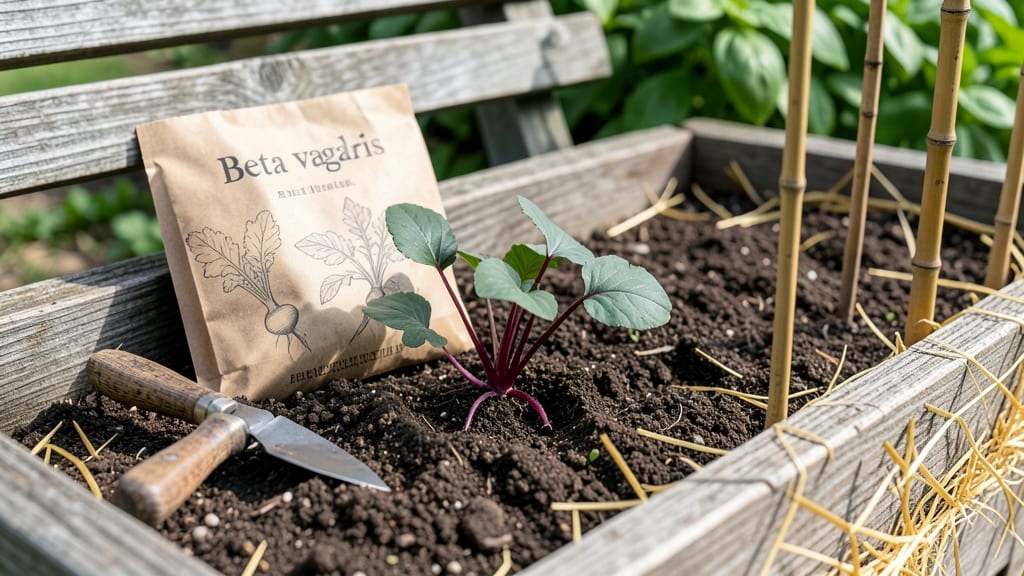
Timing your 🍠 beet planting in Utah isn’t just about the calendar—it’s about beating the state’s unpredictable swings from 50°F mornings to 90°F afternoons. Plant too early, and frost will nip your seedlings; too late, and your beets turn woody before you can harvest.
The sweet spot? A narrow window where soil warms just enough to encourage germination without triggering bolting.
Most Utah gardeners swear by two planting seasons: early spring (March–April) when daytime temps hover around 60°F, and late summer (August–September) to take advantage of cooler nights before the first frost. But here’s the catch—your elevation matters.
Higher zones like USDA 5-6 need to wait until after the last frost (usually mid-April), while lower desert areas can start as early as February if you’re willing to gamble on a cold snap.
What if you want a steady supply of beets all season? The trick is succession planting—sowing seeds every 2–3 weeks in spring and again in early fall. This ensures you’re always harvesting fresh, tender roots instead of dealing with a glut of mature beets at once.
Plus, Utah’s dry spells mean you’ll need to water consistently, but don’t drown them—beets hate soggy soil.
Ready to grow the sweetest, crispest beets Utah has to offer? Let’s break down the exact planting schedule, soil prep secrets, and how to avoid the 3 biggest mistakes that turn your garden into a beet graveyard. Your harvest starts here.
Best spring planting times for beets in Utah’s climate zones
Utah’s diverse microclimates mean your spring beet planting timing should vary between northern and southern regions. In the Wasatch Front (USDA Zone 5-6), cooler nights and higher elevations demand earlier planting, while southern Utah (Zone 7) can wait until late March.
The key is avoiding late frosts while ensuring soil stays cool enough for germination.
Beets thrive when soil temperatures hover between 45°F and 80°F, but ideal germination occurs at 50°F to 70°F. In Utah, this typically aligns with mid-March to early April for most areas, but elevation adjustments are critical.
For example, Salt Lake City gardeners should plant by March 20, while Provo’s higher elevation may push planting to April 1.
Use this soil temperature guide to time your planting: 45°F+ = Safe to sow 50°F-70°F = Optimal for germination Above 80°F = Risk of bolting (premature flowering)
| Region | USDA Zone | Optimal Planting Window | Soil Temp Threshold | Frost Risk |
|---|---|---|---|---|
| Northern Utah (Ogden, Park City) | 5-6 | March 15 - April 1 | 50°F-65°F | High (last frost: April 15) |
| Wasatch Front (Salt Lake City, Provo) | 5-6 | March 20 - April 5 | 50°F-68°F | Moderate (last frost: April 10) |
| Southern Utah (St. George, Cedar City) | 7 | March 25 - April 10 | 55°F-70°F | Low (last frost: March 20) |
| High Desert (Moab, Price) | 6-7 | April 1 - April 15 | 55°F-72°F | Very Low (last frost: March 25) |
For northern Utah gardeners, start seeds indoors 4-6 weeks before your target outdoor planting date. This head start helps beat late spring frosts that can devastate young seedlings. Use heat mats if your indoor temps dip below 60°F, as cool conditions slow germination.
In southern Utah, where warmer microclimates prevail, focus on shade cloth during peak afternoon sun to prevent bolting. Plant in late March and use drip irrigation to maintain even moisture. Avoid planting after April 10, as soil temperatures will exceed 75°F, leading to bitter, woody roots.
Check your local Utah Climate Center for real-time frost alerts. A hard frost (28°F) can kill beet seedlings, so have row covers ready. In Zone 5 areas, wait until after April 15 to plant outdoors, even if soil is warm enough earlier.
Pro tip: Test soil moisture before planting. Beets need consistent moisture but hate soggy soil. In Utah’s dry climate, aim for 1-1.5 inches of water per week, applied deeply in the morning. Mulch with straw or grass clippings to retain moisture and regulate soil temperature.
If you miss the ideal spring window, don’t despair—beets also thrive in fall. But for the sweetest, most tender harvests, stick to these region-specific timelines. With the right timing, you’ll enjoy homegrown beets from June through July, just in time for Utah’s summer salads!
Fall planting strategies for Utah’s short growing season
Utah’s cool autumn nights and mild daytime temperatures create perfect conditions for planting beets in late summer. Unlike spring, fall planting lets you avoid bolting from heat stress while still harvesting before the first frost.
The key is timing—plant too early, and beets may mature before winter; too late, and they’ll struggle with cold soil.
Beets thrive in Utah’s fall soil conditions because cooler temperatures slow their growth just enough to develop sweet, tender roots.
The ideal window is mid-August to early September, giving them 60–80 days to mature before hard frosts hit (typically mid-October in northern Utah and late October in southern regions).
- 📅 Plant Dates: Mid-August to early September (adjust 1–2 weeks later at higher elevations).
- 🌡️ Soil Temp: Aim for 50–65°F (use a soil thermometer to avoid cold stress).
- 🌱 Seed Depth: ½ inch deep, spaced 1–2 inches apart in rows 12 inches apart.
- 💧 Watering: Keep soil consistently moist (1–1.5 inches/week) but avoid waterlogging.
- ✂️ Thinning: Thin seedlings to 2–3 inches apart when they’re 2 inches tall to prevent competition.
Choose cold-hardy varieties like ‘Detroit Dark Red’ or ‘Golden’ for fall planting—they tolerate Utah’s cool nights better than heat-sensitive types. Avoid long-day varieties, which bolt prematurely in shorter autumn daylight. Instead, opt for short-day or day-neutral types that focus energy on root development.
To maximize your harvest, succession plant every 2 weeks from August through early September. This staggered approach ensures a continuous supply of beets while extending your growing season. Use row covers in late September to protect young plants from unexpected early frosts, especially in Utah’s higher elevations.
Harvest beets when roots reach 1–3 inches in diameter (about 50–60 days after planting). Pull them gently by the greens to avoid damaging the roots. Store harvested beets in cool, dark conditions (like a root cellar) to preserve freshness for up to 2 weeks
If frosts arrive before maturity, harvest smaller beets—they’ll still be delicious! Fall-planted beets reward you with sweeter, more tender roots than their spring counterparts, thanks to Utah’s cool autumn climate. With the right timing and care, you can enjoy homegrown beets well into October or November, beating the winter blues and stocking your pantry with homegrown goodness. 🌱