
Plants
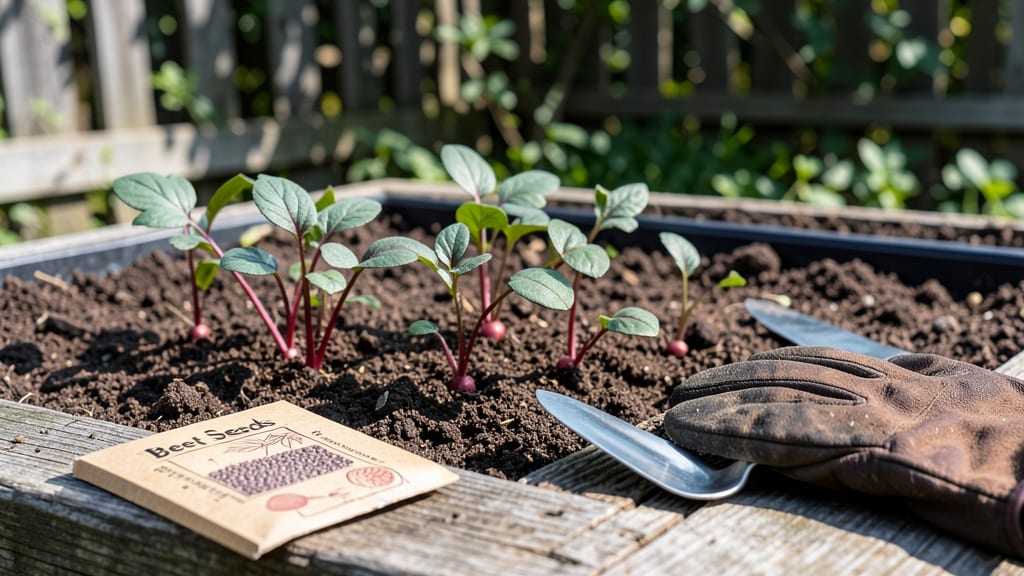
Timing your 🟣 beet planting in Zone 5 can make or break your harvest—get it wrong, and you’ll end up with bitter, tough roots instead of sweet, tender ones.
The key is planting 3–4 weeks before your last frost date, typically around early April, when soil temperatures hit 50°F and stay there.
Beets are cool-weather crops, so they thrive when nights are crisp and days are mild. If you plant too early, cold soil can stunt growth, while waiting too long risks bolting before you get a harvest.
The good news? You can also plant a second crop in late summer for a fall harvest—just aim for 8–10 weeks before the first frost in October.
In this guide, I’ll break down the exact weeks to plant for best yields, how to adjust for early vs. late varieties, and pro tips to extend your growing season.
Whether you’re a first-time gardener or a seasoned green thumb, these strategies will help you grow beets that are sweet, plentiful, and ready to harvest at the perfect time.
Ready to turn your garden into a beet bonanza? Let’s dive into the timing, soil prep, and variety choices that’ll set you up for success—no guesswork required.

Optimal planting weeks before last frost in Zone 5 for sweet beets
Beets are cool-season crops that hate heat and bolt quickly when temperatures rise above 75°F. In Zone 5, timing your planting 4-6 weeks before your last frost date ensures tender, sweet roots.
For most of Zone 5, this means planting between March 15 and April 15, but soil temperature is the real deciding factor.
Your soil must reach 40°F before planting—any colder, and seeds won’t germinate. Use a soil thermometer to check, or wait until 2-3 weeks after your average last frost date (typically April 15 in Zone 5). Early planting risks woody, bitter beets due to slow growth in cold soils.
Here’s your Zone 5 beet planting timeline broken down by frost sensitivity stages:
| Planting Window | Soil Temp (°F) | Frost Risk | Best Varieties |
|---|---|---|---|
| 4-6 weeks before last frost | 40-45°F | Low (light mulch needed) | Detroit Dark Red, Golden |
| 2-3 weeks before last frost | 45-50°F | Moderate (cover seedlings if frost) | Bull’s Blood, Chioggia |
| Late summer (July-August) | 50-60°F | High (use row covers) | Early Wonder, Ruby Queen |
For a fall harvest, plant late summer (July-August) when soil temps drop below 75°F. Beets sown in July can mature by October, giving you a second crop before frost. Use bolt-resistant varieties like Early Wonder for faster growth in shorter seasons.
Watch for frost warnings after planting—young seedlings can survive light frost but may bolt prematurely if stressed. Cover with row fabric if temps dip below 28°F.
In Zone 5, your first frost usually hits around October 15, so plan your fall planting to harvest 6-8 weeks before that date.
If your soil warms too quickly (above 70°F), beets develop woodiness and bitter flavor. To delay bolting, plant in partial shade or use shade cloth during peak afternoon heat. Mulch with straw to keep roots cool and soil moisture stable.
Pro tip: Succession plant every 2 weeks from March to July for a continuous harvest. Sow half your seeds in early spring and the other half in late summer to stretch your season. This works especially well for baby beets, which mature in just 40-50 days.
Never plant beets in heavy clay soil—they’ll develop misshapen roots. Amend with compost or sand to improve drainage. Aim for loamy, well-draining soil with a pH of 6.0-7.0 for the sweetest flavor.
For container growing, plant 3-4 inches apart in 10-inch deep pots. Containers warm faster, so start them 2 weeks later than in-ground plantings. Water containers daily in summer to prevent bolting.
Your goal: Plant when soil is 40-50°F, 4-6 weeks before last frost, and harvest before temps hit 80°F for the sweetest, most tender beets. With this timing, you’ll avoid woody roots and bitter flavors while maximizing your harvest.
How to adjust planting for early vs. late varieties in Zone 5
Choosing the right beet varieties for Zone 5 means balancing maturity times with your frost dates. Early varieties like 'Detroit Dark Red' mature in just 50–55 days, while late varieties such as 'Golden Beet' take 60–70 days.
Planting early varieties first ensures you get a harvest before summer heat sets in, while late varieties can extend your season into fall.
For a spring harvest, I recommend sowing early varieties 3–4 weeks before your last frost (around early April in Zone 5). This gives them enough time to mature before temperatures climb. Late varieties can follow 2–3 weeks later to stagger your harvest and avoid overcrowding.
In late summer, you can plant another round of early varieties 8–10 weeks before your first frost (typically mid-July). This second crop will be ready for harvest in October or November, just as temperatures cool down again.
Late varieties won’t have time to mature in this window, so skip them for fall plantings.
| Variety Type | Days to Maturity | Best Planting Window | Harvest Window | Zone 5 Strategy |
|---|---|---|---|---|
| Early Varieties | 50–55 days | Early April (spring) or Mid-July (fall) | June (spring) or October (fall) | Plant first for quick harvests; repeat in fall |
| Late Varieties | 60–70 days | Late April (spring only) | Late July (spring) | Plant after early varieties for extended season |
Succession planting is your secret weapon for a continuous beet harvest. After your first planting, sow a second batch 2–3 weeks later to fill gaps in your harvest timeline.
For example, if you plant 'Detroit Dark Red' on April 1st, follow up with another round on April 15th. This ensures you’re always pulling fresh beets from the garden.
To extend your fall harvest, use row covers or cold frames to protect late-planted beets from early frosts. Even if temperatures dip below freezing, these tools can buy you 2–3 extra weeks of growing time. Just be sure to remove covers during the day to prevent overheating.
Pro tip: Keep a planting journal to track which varieties perform best in your Zone 5 garden. Note soil conditions, frost dates, and harvest yields. Over time, you’ll fine-tune your timing for perfectly sweet beets every season.