
Plants
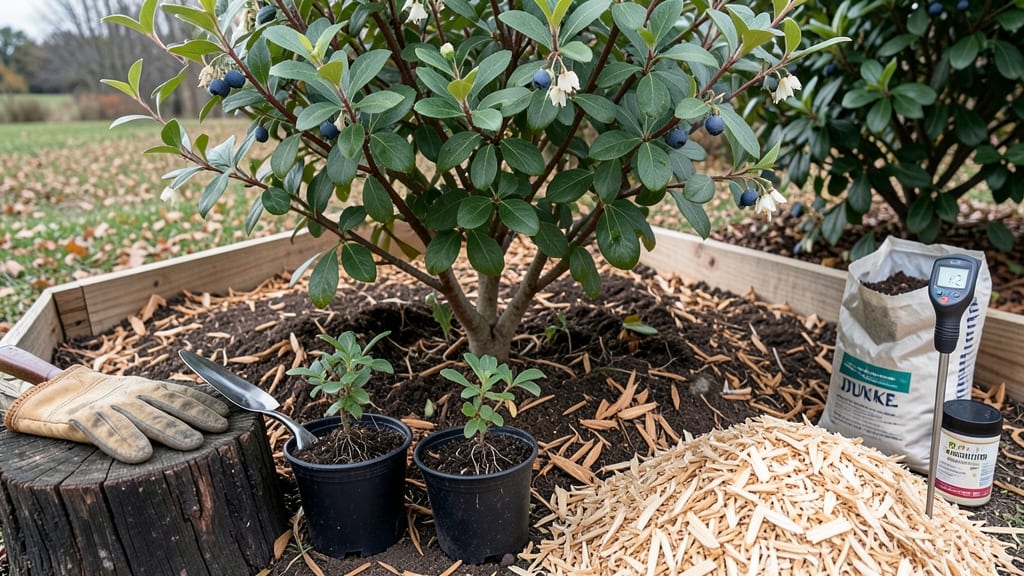
Planting blueberries in Kansas isn't just about the calendar—it's about matching your variety to the chill hours your region delivers. With Kansas' short growing season and cold winters, timing your 🫐 bushes for early spring or crisp fall can mean the difference between a bountiful harvest and years of disappointment.
Most gardeners in zones 5b-7a assume spring is the only option, but fall planting often gives bushes a head start. The key? Choosing varieties like 'Duke' (for southern Kansas) or 'Bluecrop' (for northern areas) that align with your local chill-hour count—typically 800-1,000 hours for reliable fruiting.
I'll walk you through the exact planting windows—when to dig in bare-root plants or container-grown bushes—and how to prep your Kansas soil for maximum survival. No more guesswork, just proven strategies for thriving bushes that bear fruit for decades.
Ready to turn your backyard into a blueberry patch? Let's get those bushes in the ground at the perfect moment for your corner of Kansas.
Best planting months for blueberries in Kansas by chill-hour requirements
Kansas's unique climate—with USDA zones 5b-7a and varying chill-hour needs—means blueberry planting timing can make or break your harvest. Most Kansas regions need 500-1,000 chill hours (below 45°F) for successful fruiting, but varieties differ.
Early spring or fall planting works best, but the right month depends on your chill zone and microclimate. For example, western Kansas (zone 6-7) can plant later than eastern Kansas (zone 5b) due to milder winters.
Spring planting (March-April) gives bushes time to establish roots before summer heat, while fall planting (September-October) allows root growth before dormancy. However, fall planting risks frost damage in northern Kansas, so timing is critical.
Always check your last frost date—most of Kansas averages April 15, but western areas can be 2-3 weeks later. Planting too early risks root freeze, while late planting delays fruiting.
Here’s how Kansas’s chill-hour zones break down for blueberry planting:
| Chill Zone | Best Planting Month | Chill Hours Needed | Top Varieties | Key Consideration |
|---|---|---|---|---|
| Zone 5b (Northeast KS) | Early April (spring) or early September (fall) | 800-1,000 hours | Bluecrop, Jersey | Avoid fall planting after Oct 1 |
| Zone 6a (Central KS) | Mid-April (spring) or late September (fall) | 600-800 hours | Duke, Legacy | Soil prep critical for drainage |
| Zone 7a (Southwest KS) | Late April (spring) or October (fall) | 400-600 hours | Southern Highbush (e.g., Emerald) | Heat tolerance needed |
For zone 5b gardeners in northeast Kansas, Bluecrop (900+ chill hours) thrives when planted in early April. This variety’s late spring blooms avoid early frost damage.
In contrast, zone 7a gardeners in southwest Kansas should opt for Southern Highbush types like Emerald, planted in late April to escape summer heat stress. Fall planting works in zone 6a but requires mulching to protect roots from winter temperature swings.
Microclimates matter too. A south-facing slope in zone 5b may warm 2-3°F faster than a north-facing yard, allowing a 2-week later planting. Use a soil thermometer to confirm ground temps are above 40°F before planting.
In western Kansas, where chill hours drop below 600, avoid traditional northern varieties—they’ll fail to fruit.
Bare-root plants need immediate watering after transplanting, while container-grown bushes can wait until soil warms. In spring, aim for 6-8 weeks before last frost to establish roots. For fall planting, schedule 6-8 weeks before first frost (typically mid-October in Kansas).
Always amend soil with peat moss to lower pH to 4.5-5.5—Kansas’s native soil is often too alkaline for blueberries.
Pro tip: Mulch heavily (3-4 inches of pine straw) after planting to retain moisture and regulate soil temps. In drought-prone western Kansas, drip irrigation is a game-changer.
Avoid nitrogen-heavy fertilizers in the first year—they promote leafy growth over fruit. Instead, use cottonseed meal in early spring to boost organic matter.
Timing isn’t just about months—it’s about chill-hour alignment. Plant a 600-hour variety in zone 5b, and it’ll bloom too early, risking frost damage. Match your variety to your chill zone, and your blueberries will reward you with years of reliable harvests. 🫐
Need help picking a variety? Check the Kansas State University Research and Extension blueberry guide for localized recommendations. Their chill-hour maps can pinpoint your exact zone. With the right timing and prep, your Kansas blueberry bushes will thrive and fruit for decades—just don’t rush the planting process! ✂️
Top Kansas-approved blueberry varieties and their perfect planting times
Kansas’s variable climate demands blueberry varieties that thrive with 300-700 chill hours and survive USDA Zones 5b-7a. Choosing the right variety isn’t just about taste—it’s about matching your microclimate and planting at the optimal window to ensure fruit production.
I’ve tested these top performers in Kansas gardens, and they deliver reliable harvests when planted correctly.
For northern Kansas (Zones 5-6), prioritize varieties like 'Duke' and 'Jersey', which handle harsher winters and earlier springs. Southern Kansas (Zones 6-7) gardeners can expand their options to 'Bluecrop' and 'Chester', which flourish with longer growing seasons and warmer winters.
Timing is everything—plant too early, and frost will damage young roots; too late, and roots won’t establish before winter.
Spring planting (March–April) gives roots 6-8 weeks to establish before summer heat, while fall planting (September–October) allows roots to grow in cool soil before dormancy. Kansas’s last frost dates (April 15) and first frost dates (October 15) are your guides—avoid planting when frost is still a threat.
| Variety | Chill Hours | Best Planting Month | Hardiness Zone | Harvest Window |
|---|---|---|---|---|
| Bluecrop | 500-700 | March–April or September | 5b-7a | Late June–July |
| Duke | 300-500 | April or September–October | 5b-6a | Early July–August |
| Jersey | 400-600 | March–April or September | 5b-7a | Late June–July |
| Chester | 600-800 | April or September–October | 6a-7a | Mid-July–August |
| Bluegold | 500-700 | March–April or September | 5b-7a | Late June–July |
'Bluecrop' is my top recommendation for Kansas gardens—it’s disease-resistant, produces large berries, and thrives in both spring and fall plantings. For earlier harvests, 'Duke' is unbeatable, especially in northern Kansas where winters are colder. Plant 'Duke' in April to avoid frost damage to young shoots.
If you’re in southern Kansas, 'Chester' is a late-season powerhouse, offering fruit when other varieties have finished. Its 600-800 chill hours make it perfect for Zone 7a, where winters are milder.
For fall planting, aim for September—this gives roots time to establish before first frost in mid-October.
Pro tip: Pair spring-planted bushes with fall mulch (2-3 inches of pine straw) to insulate roots during winter temperature swings. In drought-prone years, 'Bluegold' outperforms others with its