
Plants
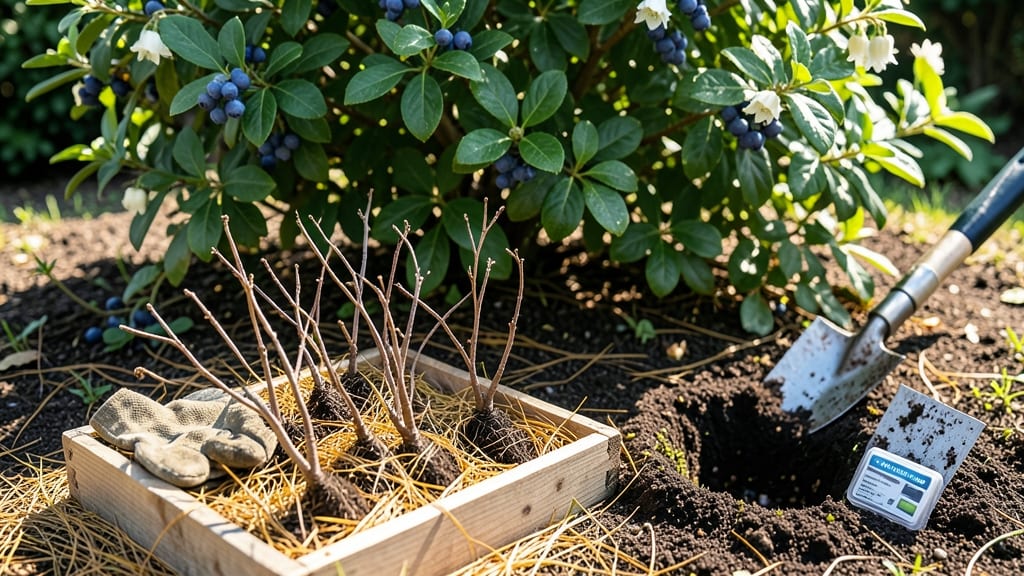
Planting blueberries in Massachusetts isn’t just about picking a date—it’s about understanding soil temperature, chill hours, and your local frost patterns to ensure your bushes thrive. Too early, and a late frost could wipe out your saplings; too late, and your plants won’t establish strong roots before winter.
The ideal window for bare-root blueberries is early spring (March–April), when the ground thaws but before the last frost hits around April 15.
But here’s the catch: if you’re planting potted blueberries, you’ve got a little more flexibility—early fall (September–October) also works, giving roots time to settle before winter dormancy.
The key is soil temperature: aim for 40–50°F at a depth of 4 inches, a sign the earth is ready for these acid-loving shrubs. In zones 5b–6b, timing can shift slightly depending on whether you’re in coastal or inland Massachusetts, where microclimates play a big role.
Why does this matter? Because blueberries need 600–1,000 chill hours—a cold requirement most Massachusetts varieties meet naturally—but planting at the wrong time can stunt growth or invite disease.
I’ll walk you through exactly how to read your soil, match varieties to your region, and avoid common pitfalls so your 🫐 bushes burst with fruit by mid-summer.
Ready to set your blueberries up for success? Let’s break down the science-backed planting schedule, soil prep, and variety choices that’ll turn your garden into a berry bonanza. No guesswork—just proven strategies for maximum yields in your backyard.
Massachusetts blueberry planting timeline: soil temperature & chill-hour requirements
Getting your blueberry bushes in the ground at the right time is crucial for Massachusetts gardeners. The USDA zones 5b-7a across the state create distinct windows for planting, where soil temperature and chill hours dictate success.
Northern regions like Northampton and Greenfield need cooler timing, while southern areas like Boston and Providence can plant slightly later.
Blueberries thrive when planted during early spring (March-April) or early fall (September-October), but the key is waiting until the soil warms to 40-50°F. This ensures roots establish before summer heat arrives.
According to UMass Extension, most northern MA varieties require 600-800 chill hours, while southern MA varieties need 800-1,000 chill hours to break dormancy properly.
For bare-root blueberries, spring planting is ideal because the roots can establish before summer heat arrives. However, if you choose fall planting (September-October), ensure your bushes have 6-8 weeks before the first frost to harden off.
A soil thermometer is your best friend—wait until readings consistently stay above 40°F during the day.
In northern Massachusetts, where winters are colder, prioritize early spring planting (late March-early April). These areas benefit from 600-800 chill hours, so varieties like 'Bluecrop' or 'Duke' thrive.
Meanwhile, southern MA can extend planting into early April due to milder winters and 800-1,000 chill hours requirements for varieties like 'Jersey' or 'Patriot'.
Don’t overlook microclimates—urban areas like Boston may experience heat islands that warm soil faster, while inland regions like Worcester can have delayed spring thawing. Always check UMass Extension’s frost date maps for your specific town, as last frost dates can vary by 1-2 weeks even within short distances.
If you’re planting container-grown blueberries, timing is slightly more flexible. These can go in the ground as early as late February if soil temps are stable, but avoid
Best blueberry varieties for Massachusetts: chill-hour matching & frost tolerance
Choosing the right blueberry varieties for Massachusetts means matching your USDA zone (5b-6b) with plants that thrive in our chill hours (600-1,000 hours) and frost patterns. Coastal areas like Cape Cod get milder winters, while inland regions like Worcester face harsher freezes.
The wrong variety can mean poor yields or winter dieback—so let’s break down the best options for your microclimate.
Northern Massachusetts gardeners (zones 5b-6a) need varieties with 800-1,000 chill hours, while southern regions (zone 6b) can handle 600-800 chill hours. Frost tolerance also varies: some varieties survive -20°F, while others struggle below 0°F.
Below, we’ve compared the top highbush blueberry cultivars for your region, including their yield potential and harvest windows.
| Variety | Chill Hours | Frost Tolerance | Harvest Time | Yield Potential | Best For |
|---|---|---|---|---|---|
| Bluecrop | 800-1,000 hrs | -20°F | Mid-July | High (large berries) | Inland MA (zones 5b-6a) |
| Duke | 600-800 hrs | -15°F | Late July | Very High (early, heavy producer) | Southern MA (zone 6b) |
| Jersey | 700-900 hrs | -18°F | Mid-July | Moderate (disease-resistant) | Coastal MA (milder winters) |
| Patriot | 800-1,000 hrs | -25°F | Early August | High (firm berries) | Northern MA (cold winters) |
| Bluegold | 600-800 hrs | -10°F | Late July | Moderate (golden berries) | Southern MA (extended season) |
*Chill hours and frost tolerance data sourced from UMass Extension and local growers.
For coastal Massachusetts, where winters are milder, Duke and Bluegold are excellent choices—they handle 600-800 chill hours and produce large, early berries. In contrast, inland gardeners should prioritize Patriot or Bluecrop for their -20°F tolerance and high yield potential.
If you’re in a transitional zone (like Boston), Jersey offers a balanced approach with moderate chill needs and disease resistance.
Pro tip: Pair early and late-season varieties (like Duke + Patriot) to extend your harvest from July to August. Just be sure to plant them 10-15 feet apart to avoid cross-pollination issues.
And if you’re in a very cold zone (like the Berkshires), consider low-chill varieties like Top Hat (400-600 hrs) for container growing on patios or decks.
Remember, soil pH (4.5-5.5) and mulching with pine needles are just as critical as variety selection. Once you’ve matched your blueberries to your microclimate, focus on well-draining soil and consistent moisture to set your bushes up for years of bountiful harvests. 🫐