
Plants
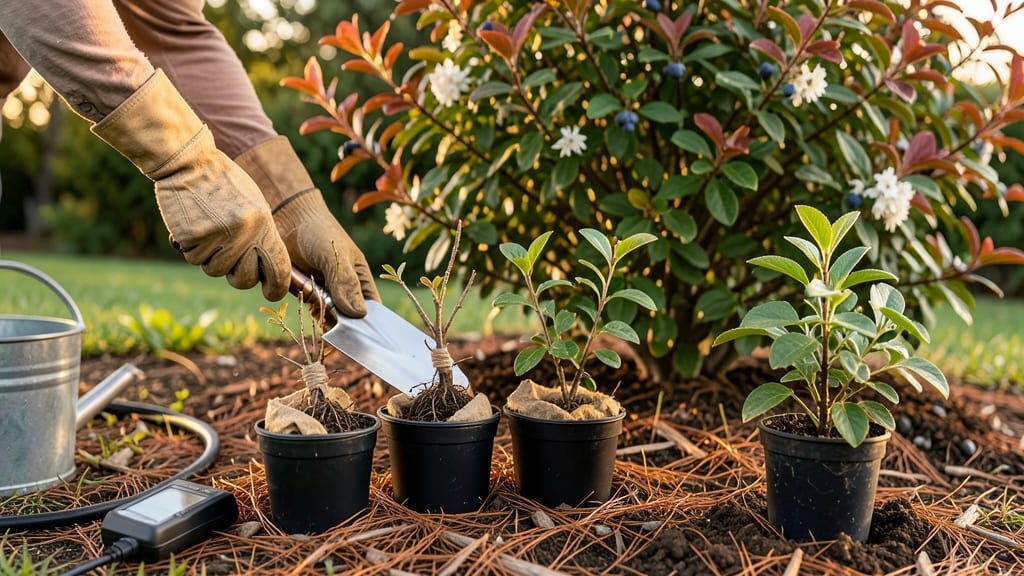
Planting blueberries in New Jersey isn’t just about grabbing a shrub and sticking it in the ground—it’s about matching your variety to NJ’s 6a-7b climate and avoiding the pitfalls of frost-sensitive planting windows. Whether you’re growing Rabbiteye or Southern Highbush varieties, timing is everything for sweet, abundant harvests.
Fall planting—between September and October—gives roots time to establish before winter, while spring planting (late April to early June) works if you act fast before the last frost hits around April 15.
But here’s the catch: NJ’s chill hours (300-700, depending on the variety) dictate when your blueberries will thrive.
I’ll break down the best months for each type, how to adjust for coastal vs. inland microclimates, and the three mistakes NJ gardeners make that kill their plants before they even fruit. No more guessing—just proven strategies to turn your backyard into a 🫐 blueberry powerhouse.
Ready to skip the trial-and-error? Let’s get your blueberries planted at the perfect time for NJ’s unpredictable seasons.
Best planting months for NJ blueberries by variety (chill-hour guide)
New Jersey’s USDA zones 6a-7b create a perfect balance for growing blueberries, but the real secret lies in matching your variety to chill hours. Rabbiteye varieties need 450-700 chill hours, while Southern Highbush thrive with just 300-500 hours.
Planting at the wrong time can stunt growth or even kill young plants before they bear fruit.
For Rabbiteye blueberries, aim for late April to early June in spring or September to October in fall. These varieties need more cold exposure to set buds properly. Southern Highbush, however, can handle earlier spring planting (March-April) or late fall (October-November) in milder microclimates like coastal NJ.
Here’s the chill-hour breakdown for NJ’s two main blueberry types, plus frost-risk timing to avoid winter damage:
| Variety | Chill Hours | Best Planting Window | Frost Risk | Soil Prep Tip |
|---|---|---|---|---|
| Rabbiteye (e.g., 'Tifblue', 'Climax') | 450-700 hours | Late April–Early June (spring) or September–October (fall) | High in inland NJ (last frost: April 15) | Amend soil with peat moss to lower pH to 4.5-5.5 |
| Southern Highbush (e.g., 'Sharpblue', 'Premier') | 300-500 hours | March–April (spring) or October–November (fall) | Lower in coastal NJ (last frost: March 20) | Add sulfur granules 2 months before planting |
Spring planting gives young roots 6-8 weeks to establish before summer heat, but fall planting (especially in September-October) lets roots grow in cool soil while avoiding drought stress. For bare-root plants, soak roots for 2-4 hours before planting to reduce transplant shock.
NJ’s first frost typically hits October 31 inland but can arrive as late as November 15 near the coast. If planting in late fall, choose a sheltered location and mulch heavily with pine straw to insulate roots.
Avoid planting after November 1 unless you’re in a microclimate with delayed frost.
Test your soil’s pH level before planting—blueberries won’t thrive above 5.5. Use a soil test kit ($10 at garden centers) and adjust with elemental sulfur or peat moss if needed. Mix 3 inches of compost into the planting hole to boost organic matter and drainage.
For container growing, plant in acidic potting mix and use a 10-gallon pot minimum. Containers warm up faster in spring, so delay planting until after May 1 to avoid frost damage. Water containers daily in summer—they dry out 3x faster than in-ground plants.
Pro tip: Plant 3-5 bushes together for cross-pollination, even if they’re the same variety. Space them 3-6 feet apart to allow airflow and reduce fungal diseases like botrytis. Prune old wood in late winter to encourage new growth for the next harvest.
🌱
How to adjust planting for NJ’s microclimates (coastal vs inland differences)
New Jersey’s coastal regions and inland areas create distinct growing conditions that directly impact blueberry planting success. Coastal areas like Cape May experience warmer winters with fewer frost days, while inland zones near the Delaware River face colder winters and later spring thaws.
Understanding these differences helps you choose the right planting window and variety for your location.
For coastal NJ, Southern Highbush varieties thrive with their lower chill-hour requirements (300-500 hours). These areas benefit from an extended fall planting window (through November) since winters rarely drop below 20°F.
Meanwhile, inland gardeners should focus on Rabbiteye varieties that tolerate 450-700 chill hours and plant in early fall (September-October) to avoid late frosts.
| Factor | Coastal NJ (Zones 7a-7b) | Inland NJ (Zones 6a-6b) |
|---|---|---|
| Best Planting Window | Late September-November | Early September-October |
| Recommended Varieties | Southern Highbush (e.g., 'Peach Sorbet') | Rabbiteye (e.g., 'Climax') |
| Soil Amendment Needed | Peat moss + sulfur (pH 4.5-5.5) | Peat moss + pine bark fines |
| Mulching Strategy | 3" pine straw (preserves moisture) | 4" wood chips (insulates roots) |
| Frost Protection | Row covers for late blooms | Burlap wraps for young plants |
Coastal gardeners should prioritize moisture retention in sandy soils by using pine straw mulch (3 inches thick) and amending beds with peat moss. The Atlantic influence creates humid summers, so elevate plants slightly to prevent root rot.
Inland areas need better insulationwood chips and plant on south-facing slopes to capture winter sun.
For both regions, fall planting is ideal because cool soil temperatures encourage root establishment before winter. However, coastal areas can push planting into early November since hard freezes are rare. Inland gardeners should complete planting by mid-October to avoid 20°F nights that can damage young roots.
Extend your coastal blueberry season by using low tunnels in early spring to trap heat and black plastic mulch in summer to suppress weeds and retain moisture.
Inland gardeners benefit from cold frames to protect early blooms from late frosts, which are more common in USDA Zone 6a areas like Sussex County.
Test your soil's pH and organic matter before planting—coastal soils often need sulfur amendments while inland soils may require compost additions. Both regions should aim for 60% organic matter to support blueberry growth. With these adjustments, you'll maximize your NJ blueberry harvest regardless of your microclimate! 🫐🌱