
Plants
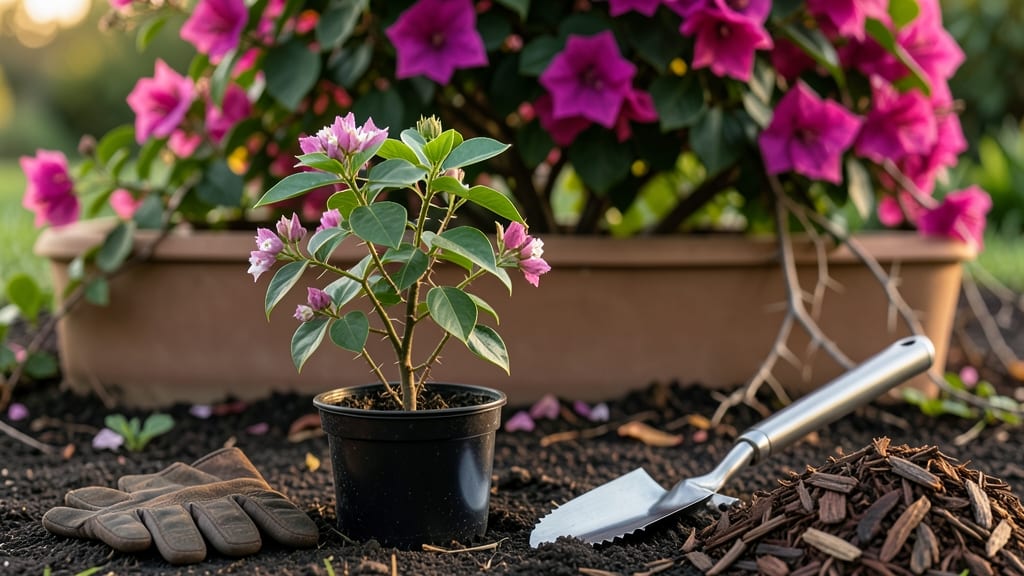
Planting bougainvillea at the wrong time in Texas can mean the difference between vibrant, year-round blooms and a shrub that struggles to survive the heat—or worse, gets wiped out by frost.
The key isn’t just picking a season; it’s timing it perfectly to your local hardiness zone, whether you’re in frost-prone North Texas or the balmy Zone 10b of South Texas.
Most gardeners in Texas plant bougainvillea between February and April, but that window shifts dramatically depending on where you live. In cooler areas like Dallas (Zone 8a), waiting until after the last frost—typically mid-March—is critical.
Meanwhile, in Houston or San Antonio (Zone 9a-10b), you can plant year-round, though early spring still yields the best results for established growth.
Why does timing matter so much? Bougainvillea thrives in heat, but young plants need time to establish roots before summer’s scorching temperatures hit. Plant too early, and a late frost could damage tender new growth.
Too late, and your bougainvillea might bolt straight into survival mode, sacrificing blooms for basic growth.
In this guide, I’ll break down the exact planting windows for every Texas hardiness zone, plus pro tips for container planting and choosing the right varieties to ensure your 🌺 bougainvillea not only survives but flourishes with nonstop color. Let’s get those roots in the ground the right way.
Texas bougainvillea planting windows by hardiness zones (8a-11)
Texas' diverse climate—from Zone 8a in the Panhandle to Zone 11 along the Gulf Coast—creates unique challenges for bougainvillea planting. In cooler zones, timing is critical to avoid early frosts, while warmer zones allow year-round opportunities.
The key? Planting when soil temperatures reach 60°F+ and roots can establish before summer’s brutal heat peaks.
For Zones 8a-9a, the last frost typically arrives between February 15 and March 15, making late winter to early spring the ideal window. Meanwhile, Zones 9b-11 offer flexibility, with minimal frost risk allowing planting anytime—though late winter or early spring still yields the best blooms.
| USDA Zone | Last Frost Date | Optimal Planting Window | Soil Temp Threshold | Key Consideration |
|---|---|---|---|---|
| 8a (Panhandle) | February 15 | March 1–April 15 | 60°F+ | Avoid late frosts; mulch heavily |
| 9a (North/Central TX) | March 1 | February 15–April 30 | 65°F+ | Container planting extends flexibility |
| 9b (East/Central TX) | February 1 | January 1–May 15 | 60°F+ | Year-round possible with protection |
| 10a–11 (South TX/Gulf Coast) | None | Year-round (best: Feb–Apr) | 70°F+ | Prune aggressively post-planting |
In Zone 8a, where frosts linger until mid-February, wait until March 1 to plant—soil temperatures below 60°F stunt root growth. Use black plastic mulch to warm the soil faster and protect young plants from late frosts.
For Zone 9a, where last frosts average March 1, you can start as early as February 15, but avoid planting before soil warms to 65°F.
Container planting is a game-changer for Zones 8a-9a, letting you move pots to sheltered spots during cold snaps. Fill containers with cactus/succulent mix for optimal drainage—bougainvillea hates soggy roots.
In Zones 10a-11, where frost is rare, focus on pruning timing: cut back leggy growth in late winter to encourage vigorous spring blooms.
For all zones, transplant in late afternoon to reduce stress. Water deeply before moving and stake young plants to prevent wind damage. In Zone 11, where humidity is high, space plants 6–8 feet apart to improve airflow and reduce fungal risks.
The first 30 days after planting are critical—keep soil consistently moist but never waterlogged.
Pro tip: Use a soil thermometer to monitor temperatures. Bougainvillea roots thrive when soil stays above 60°F for 7+ days. In Zone 8a, delay planting if nighttime temps dip below 50°F—even hardy varieties can suffer.
For Zones 9b-11, prioritize well-draining soil to prevent root rot during Texas’ intense summer rains.
If you miss the ideal window, don’t despair. Zone 9a-11 gardeners can plant in late summer (August–September), though blooms may be lighter until the following spring. In cooler zones, container-grown bougainvillea can overwinter indoors near a south-facing window for a head start in spring.
Remember: Bougainvillea’s vibrant blooms are a reward for patience. Rushing planting in cooler zones risks frost damage, while waiting too long in warmer zones may lead to heat stress.
By aligning your schedule with local frost-free dates and soil conditions, you’ll set your bougainvillea up for years of lush, colorful growth—even in
Critical mistakes to avoid when planting bougainvillea in Texas heat
Texas heat can turn your bougainvillea into a vibrant showstopper—but only if you plant it right. The most common mistake I see is planting too early, when a late frost can still threaten tender new growth.
In Zone 8a (like Dallas), waiting until mid-April ensures your bougainvillea has a fighting chance against unpredictable spring freezes.
Another frequent error is ignoring your microclimate. Just because your neighbor in Austin plants bougainvillea in January doesn’t mean you should in Zone 9a Hill Country, where nights can still dip below 30°F. Even in warmer zones, planting in summer’s peak heat (June–August) stresses young roots before they’ve established.
Now, let’s address the biggest killer of bougainvillea in Texas: overwatering. While these drought-loving plants thrive in heat, soggy soil leads to root rot. Many gardeners assume more water equals more blooms, but bougainvillea’s native Brazilian habitat teaches us otherwise—it prefers deep, infrequent watering rather than daily shallow drinks.
⚠️ callout-warning ⚠️
🔥 Texas Bougainvillea Survival Guide
Mistake 1: Planting in poor drainage soil. Texas clay holds too much moisture—amend with gravel or sand to prevent root rot. Fix: Test your soil; aim for 60% drainage within 30 minutes of watering.
Mistake 2: Ignoring microclimates. A Zone 10a Houston yard can have cooler spots near shade trees. Fix: Plant in full sun (6+ hours) but avoid reflected heat from dark pavement.
Mistake 3: Overwatering after transplanting. New roots need 2–3 weeks to adjust. Fix: Water deeply once a week for the first month, then taper to every 10–14 days in summer.
🌱 Pro Tip: Mulch with 2–3 inches of gravel to lock in moisture while improving drainage.
Choosing the wrong location is another silent killer. Bougainvillea needs full sun, but many Texas gardeners tuck it into partial shade for afternoon relief—only to watch their blooms fade.
If your yard lacks full sun, opt for a container and place it on a south-facing patio where it gets 6+ hours of direct light.
Finally, don’t skip the pruning step before planting. Trimming back leggy growth encourages bushier, more compact plants that handle Texas heat better. I recommend cutting stems by ⅓ before transplanting—this reduces shock and promotes faster root establishment.
By avoiding these common pitfalls, your bougainvillea will not only survive Texas summers but thrive with year-round color. The key is patience: let those roots establish before pushing the plant to bloom, and you’ll have a 🌺 blooming powerhouse that outlasts even the hottest days.