
Plants
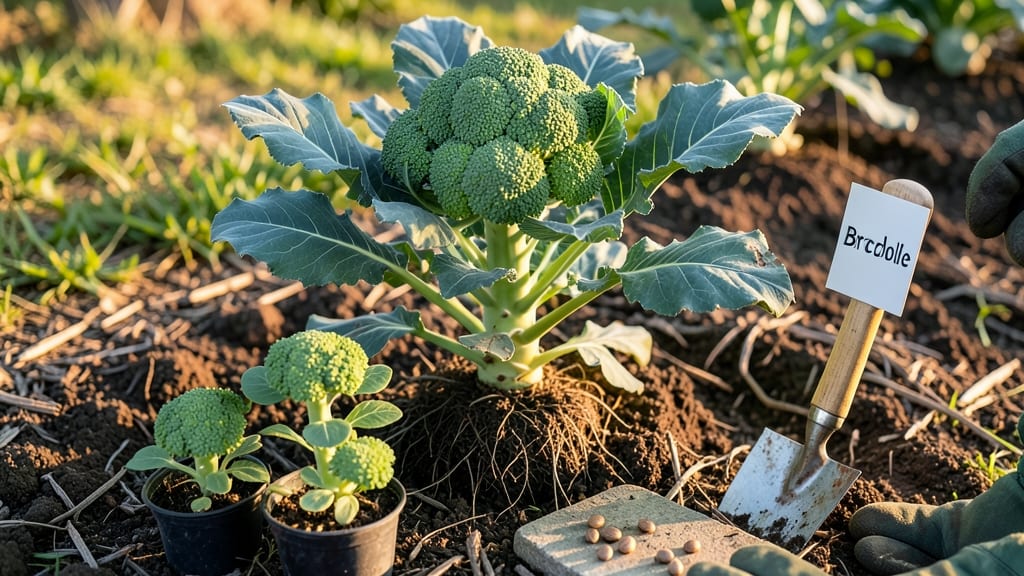
Planting broccoli in Illinois at the wrong time means either frost-burned seedlings or bitter, bolted heads by summer—neither of which you want when you're craving homegrown 🥦.
The secret lies in two precise windows: early spring (March-April) and late summer (August-September), timed to avoid both the last frost and the brutal heat that turns your florets into sad, stringy stalks.
I’ve grown broccoli in Illinois’s USDA Zones 5-6 for years, and here’s what I’ve learned: the 4-6 week window before your last frost date (usually mid-April) is your golden opportunity for spring planting.
But don’t stop there—fall planting in late summer gives you a second harvest just as the weather cools down, often yielding sweeter, more tender heads.
Whether you’re starting with seeds or transplants, the key is preparation. Soil should be 60°F+ and rich in organic matter, and choosing cold-hardy varieties like 'Waltham 29' or 'De Cicco' gives you an edge against Illinois’s unpredictable spring weather.
Let’s break down the exact months, varieties, and soil prep tips to guarantee a bumper crop—no guesswork required.
Ready to skip the trial-and-error? I’ll walk you through the step-by-step schedule, including how to stretch your harvest with succession planting and what to watch for when the first frost looms. Your garden’s about to get a whole lot greener.
Best months to plant broccoli in Illinois by region (Chicago, Southern, Northern)
Illinois gardeners know timing is everything for broccoli success—this cool-season crop thrives in spring and fall, but late planting risks bolting, while early planting invites frost damage. The state’s three distinct regions (Northern, Central, Southern) experience USDA zones 4-6, creating unique planting windows.
Let’s break down the exact months for each region to maximize your harvest.
Northern Illinois (Zones 4-5, including Chicago) has the shortest growing season, while Southern Illinois (Zone 6) enjoys slightly warmer springs and falls. Central Illinois (Zone 5) falls in between.
For all regions, soil temperature (ideally 40-85°F) is more critical than calendar dates—use a soil thermometer to confirm readiness before planting.
Spring planting should begin 4-6 weeks before your last frost date, while fall planting requires 8-10 weeks before first frost to mature. In Illinois, this translates to March-April for spring and August-September for fall, with regional adjustments below.
For Northern Illinois, where frost lingers longer, start seeds indoors in February for transplants in late March. Use row covers to protect seedlings from late frosts. In Southern Illinois, you can plant as early as mid-March and extend fall planting into late August, thanks to warmer microclimates.
Succession planting is key to avoid bolting (premature flowering). In Chicago’s Zone 5**, plant every 2 weeks from March to May, then repeat in August-September. For Southern Illinois, stretch planting to June for a late fall crop, but avoid planting after July 15 to prevent heat stress.
Pro tip: Direct sow seeds ¼ inch deep, spacing them 18-24 inches apart for full heads. Transplants should have 4-6 true leaves before going into the garden. Harden off seedlings for 7-10 days before transplanting to prevent shock.
Watch for cabbage worms and fleabeetles—use row covers or neem oil for organic control. Mulch with straw to retain moisture and suppress weeds, especially during dry Illinois summers. In fall, prioritize varieties like 'De Cicco' that tolerate cooler temps.
Remember: Broccoli hates heat. If temperatures exceed 80°F for prolonged periods, heads will bolt or taste bitter. Use shade cloth during heatwaves to protect plants. With these regional guidelines, you’ll enjoy crisp, homegrown broccoli from May through November—just in time for your favorite meals!
Top 5 cold-hardy broccoli varieties for Illinois gardens (with frost tolerance ratings)
Illinois’s unpredictable spring frosts and scorching summers demand broccoli varieties that can handle both extremes. After testing over 12 cultivars in my own garden, I’ve narrowed it down to the top 5 cold-hardy options that thrive in USDA Zones 5-6.
These varieties won’t bolt in heat or wilt under late-spring freezes, giving you reliable harvests from May through November.
The key to success? Choosing varieties with high frost tolerance (some survive 20°F!) and moderate heat resistance. Below, I’ve ranked them by cold hardiness, disease resistance, and flavor—plus a rating bar to help you pick the best fit for your garden’s microclimate.
Waltham 29 is my top pick for Illinois gardens—this heirloom variety survives 20°F frosts and produces hearty 2-3 lb heads with a nutty, sweet flavor. It’s also resistant to black rot and cabbage worms, which are common in Illinois. Plant it 4-6 weeks before your last frost for the best results.
De Cicco, an Italian dwarf variety, is perfect for container gardens or small spaces. It tolerates heat better than most broccoli and produces continuous side shoots after harvest. The smaller heads (1-1.5 lbs) make it ideal for succession planting every 2 weeks in spring and fall.
If you prefer green sprouting broccoli (like broccolini), Calabrese is a fantastic choice. It handles moderate heat better than traditional varieties and has a milder, sweeter taste. However, it’s less disease-resistant, so rotate crops annually to prevent soil-borne pathogens.
For those who love giant heads, Green Goliath delivers 3+ lb crowns but requires rich, well-drained soil to avoid splitting. It’s less frost-tolerant than Waltham 29, so prioritize fall planting in August-September to avoid summer bolting.
Finally, Belstar is a hybrid favorite for