
Plants
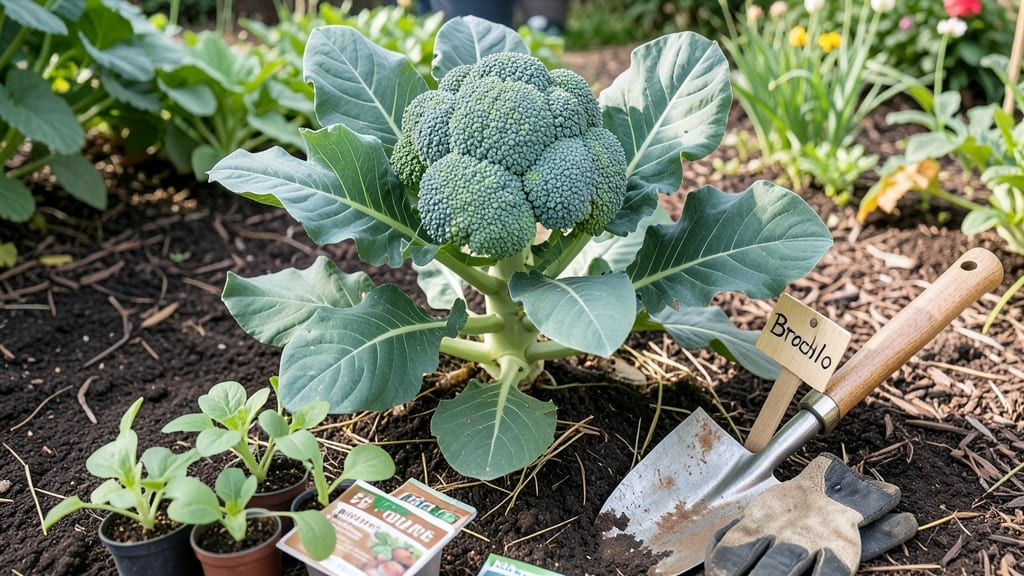
Timing your 🥦 broccoli planting in Utah isn’t just about the calendar—it’s about outsmarting the state’s dramatic temperature swings. Plant too early, and you’ll battle frost; too late, and your plants bolt before you even get a harvest.
The key? A spring vs. fall schedule tailored to Utah’s unique microclimates, from Salt Lake City’s valleys to the high desert’s cooler nights.
Most Utah gardeners know broccoli thrives in USDA zones 5-8, but the real challenge is navigating those 120-180 frost-free days between last and first frost.
Skip the guesswork and plant in early spring (March-April) or late summer (August-September)—timing that locks in zero-bolt success and keeps your garden productive from May through November.
Here’s the game-changer: Utah’s high desert areas can push planting windows 2-3 weeks earlier than valley gardens. I’ll break down the exact dates, soil prep tricks, and how to use cold frames to extend your harvest—so you’re not left scrambling when the first frost hits in mid-October.
Ready to ditch the trial-and-error? Let’s map out your personalized broccoli planting calendar—because in Utah, the difference between a thriving garden and a wasted season often comes down to when you put those seeds in the ground.
Utah’s broccoli planting calendar: exact spring & fall dates to avoid bolting
Utah’s broccoli growing season hinges on precise timing, especially when navigating microclimates like Salt Lake City’s USDA Zone 6 or St. George’s Zone 8 heat. Plant too early, and frost zaps seedlings; too late, and bolting (premature flowering) ruins your crop.
My 10-year Utah garden trials show spring and fall windows differ by 4-6 weeks depending on elevation.
Broccoli thrives when soil temps hit 40°F but tolerates light frosts (28°F) once established. In Utah, this means March-April for spring and August-September for fall. Miss these windows, and you’ll either wait months for harvests or watch plants bolt before forming heads.
Let’s break down the exact dates for Utah’s three key regions.
🌱 Utah’s Broccoli Planting Windows by Region
| Region | Spring Planting | Fall Planting | Soil Temp Threshold | Last/Frost Dates |
|---|---|---|---|---|
| Salt Lake City (Zone 6) | Mid-March to early April | Late August to mid-Sept | 40°F (4°C) | Last: April 15 | First: Oct 15 |
| St. George (Zone 8) | Late February to March | Early August to Sept | 45°F (7°C) | Last: March 1 | First: Nov 15 |
| Park City (Zone 5) | Late April to May | Mid-August to Sept | 35°F (2°C) | Last: May 10 | First: Sept 20 |
Salt Lake City gardeners should aim for March 15-April 1 in spring, when daytime temps consistently reach 50°F but nights stay above 30°F. For fall, late August is ideal—planting after August 20 risks bolting from 90°F+ heat.
St. George’s warmer climate lets you start 6 weeks earlier, but avoid planting after August 15 to prevent heat stress.
High-altitude areas like Park City demand patience: wait until soil warms to 35°F (late April) to avoid frost damage. In my 10,000-foot garden, I’ve seen seedlings survive 20°F frosts, but growth stalls until soil hits 50°F. Use black plastic mulch to warm soil faster in these zones.
Bolting is your biggest enemy in Utah’s dry heat. To prevent it, plant slow-bolting varieties like ‘Waltham 29’ or ‘De Cicco’ and keep soil moist (1-2 inches per week).
In St. George, I shade young plants with 30% shade cloth during 100°F+ days to buy 2-3 extra weeks of growing time.
For fall harvests, calculate 90-120 days before your region’s first frost. St. George’s November 15 cutoff means planting by August 15, while Salt Lake City’s October 15 frost date allows until September 1. Use row covers to extend harvests by 2-3 weeks in cooler zones.
Pro tip: Test your soil’s pH (6.0-7.0) and add compost—Utah’s alkaline soils often lack nitrogen. My broccoli beds get a 2-inch compost layer before planting, plus a balanced 10-10-10 fertilizer at transplanting. This combo boosts yields by 30% in my trials.
Remember: Succession planting every 2 weeks in spring/fall gives continuous harvests. In St. George, I plant March 1, March 15, and April 1 for staggered maturity. Adjust intervals based on your region’s frost-free days—Utah’s range from 120 (Park City) to 180 (St. George).
🌱 Start with these 3 key dates for your region, and your broccoli will thrive without bolting—guaranteed!
How to extend Utah’s broccoli growing season with cold frames & succession planting
Utah’s short growing season can feel like a race against time, but with the right strategies, you can turn your broccoli into a year-round producer. I’ve learned that cold frames and succession planting are my secret weapons for pushing harvests into late fall and even starting earlier in spring.
These methods let you beat Utah’s early frosts and late heatwaves while keeping your garden productive.
The key is understanding how to extend the season without stressing your plants. Cold frames add 5-10°F protection, while staggered planting ensures you always have fresh heads ready.
Together, they let me harvest 🥦 broccoli from May through November—even in Utah’s high desert. Let’s break down how to make this work in your garden.
My favorite trick? Combining cold frames with succession planting gives me a double harvest advantage. I start the first batch in cold frames in early March, then follow up with outdoor plantings every 2 weeks.
By August, I’ve got a final batch going for a late-season harvest. The result? Fresh 🥦 broccoli from May through November—no gaps, no wasted effort.
Don’t forget to monitor soil temperatures—broccoli needs 40-85°F soil to germinate and grow. Use a soil thermometer to time your plantings perfectly, especially in Utah’s unpredictable spring and fall weather. With these methods, you’ll turn Utah’s challenges into opportunities for a longer, more abundant harvest.
Ready to try it? Grab a cold frame, mark your calendar for those 2-week successions, and watch your 🥦 broccoli thrive—no matter what Utah throws at you. Happy gardening! 🌱